
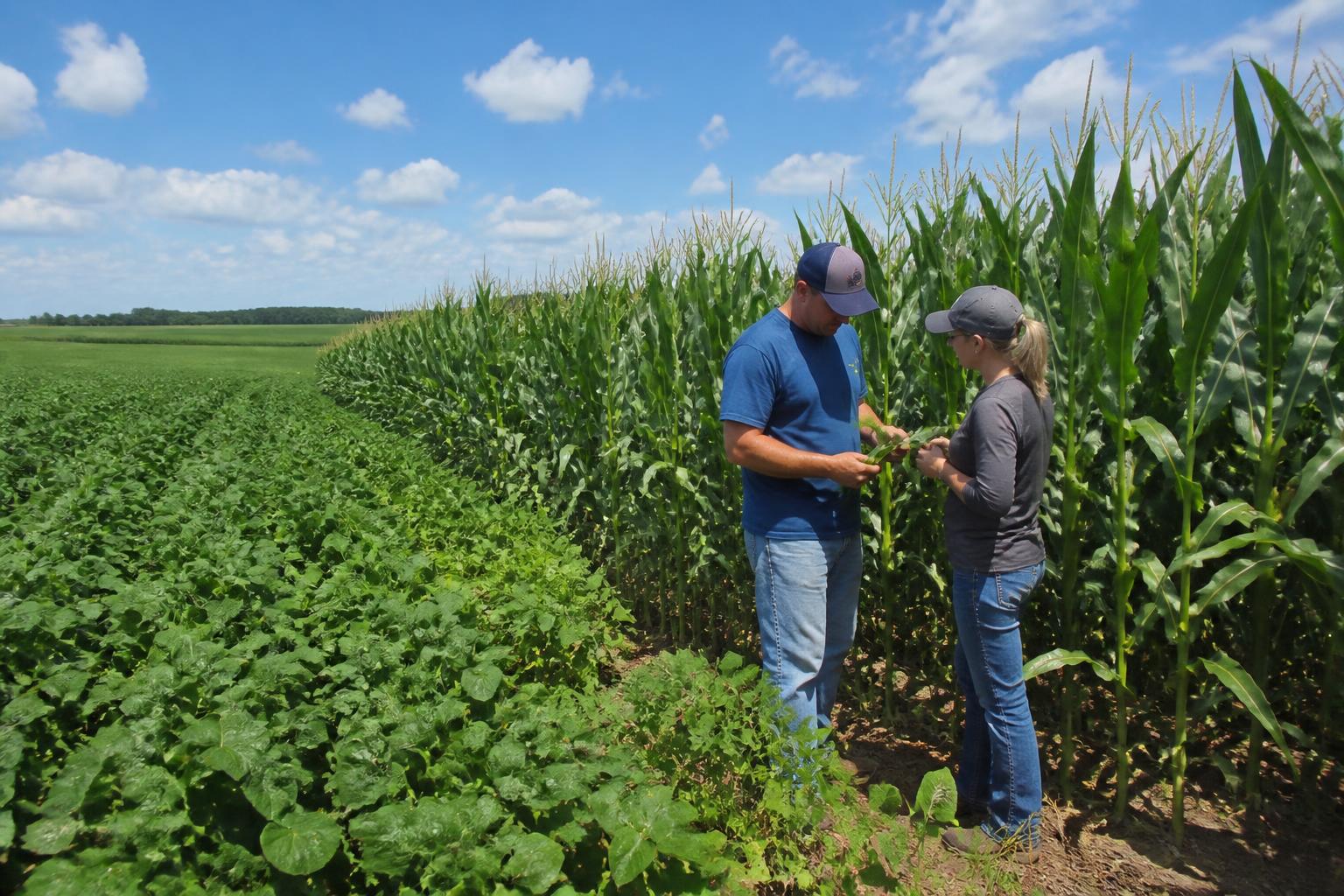
Mid-summer in Georgia brings a unique set of logistical challenges for the state's agricultural sector. From the ongoing management of supply chain pressures to the strategic planning required for upcoming seasons, growers and transporters are balancing immediate field demands with long-term cost volatility. Whether moving late-season commodities or positioning inputs for the future, efficiency remains the primary driver for Georgia agribusinesses as they navigate a shifting economic and operational landscape.
Managing Input Costs and Operational Planning
With ongoing concerns regarding the affordability and availability of key inputs, producers across the state are focusing on optimizing their operational timelines. Input price fluctuations often necessitate more deliberate procurement strategies, especially as farms look ahead to the next production cycle. For many, this involves leveraging regional expertise and staying informed about Georgia agricultural logistics to minimize the impact of transport-related expenses. Tight coordination between local elevators and freight providers remains essential to mitigating bottlenecks that can arise during periods of peak regional activity.
Precision and Technology in the Field
The role of technology in enhancing logistical efficiency is becoming increasingly prominent in Georgia. Precision agriculture initiatives are helping farms manage resources more effectively, providing data that supports better decision-making regarding crop health and input application. By integrating these advanced management techniques, producers may be better equipped to handle external pressures, including variable market conditions and the complexities of regional trade and supply chain stability. These tools are proving vital as the industry adapts to maintain profitability in a competitive market.
What it means for the market
For Georgia farmers and agribusiness stakeholders, the current mid-summer environment emphasizes the need for proactive logistics management. High input costs continue to influence crop planning and risk mitigation strategies, placing a premium on reliable transportation networks and data-driven management. As the season progresses, market participants who maintain flexibility in their supply chains and prioritize local logistical efficiencies will be better positioned to navigate the complexities of the current agricultural cycle.
Comments
No comments yet - be the first to share your take.