
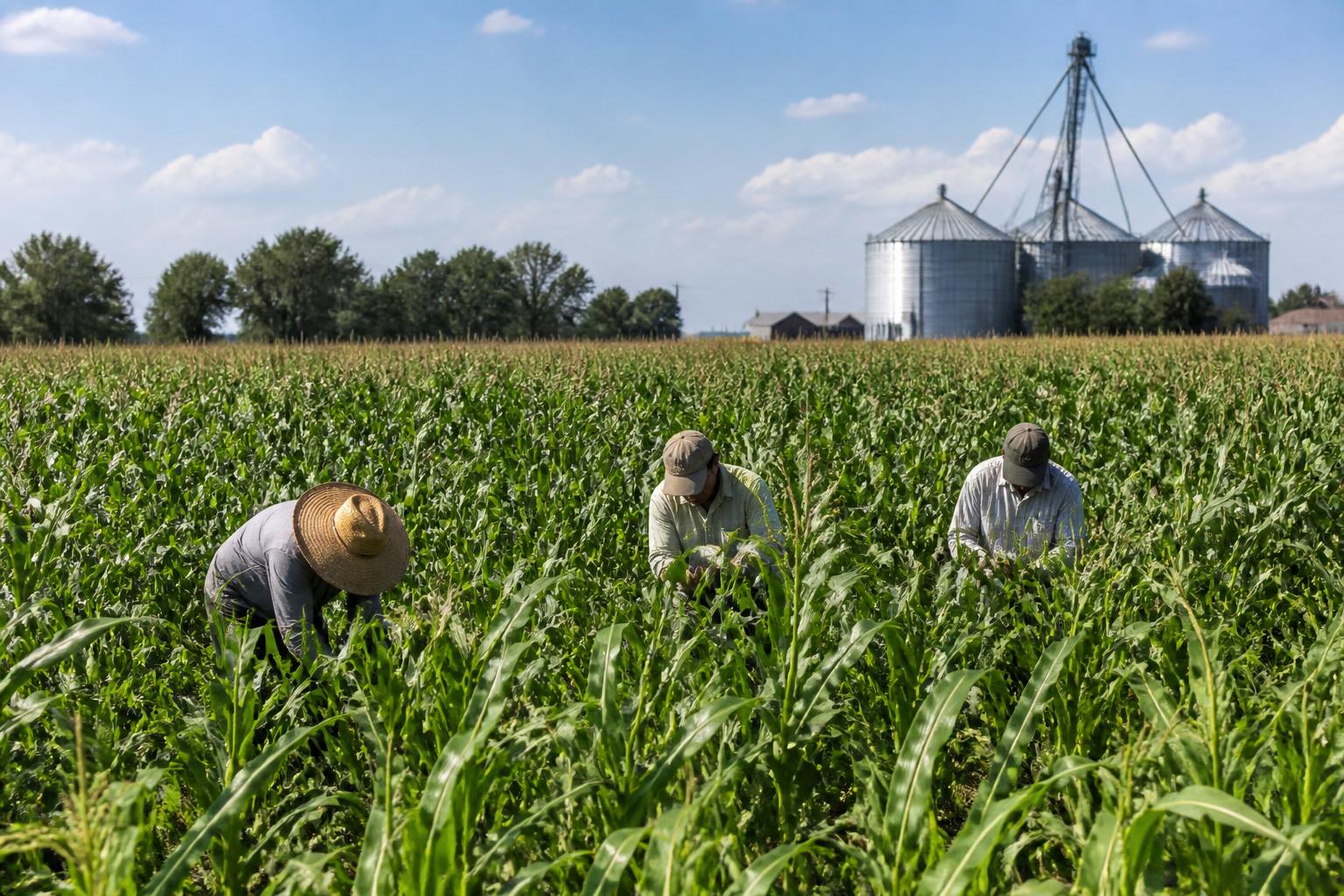
In the heart of the summer season, Texas grain producers and facility operators are navigating a complex landscape defined by shifting infrastructure demands and the necessity of rigorous inventory oversight. With harvest cycles progressing across various regional corridors, the focus for many remains on the seamless flow of commodities from the field to local terminals. Ensuring that transport logistics remain resilient is vital, especially when facing the typical seasonal pressures that can impact regional supply chains.
Prioritizing Reliability in Grain Storage
Recent industry events have underscored the critical importance of transparency and accountability in local storage operations. For many agribusinesses, maintaining consistent, verified tracking of grain inventories is no longer just a regulatory checkbox but a cornerstone of market confidence. As producers evaluate their options for storing this season's yield, the demand for reliable, well-managed facilities is increasingly clear. Establishing strong relationships with trusted handlers who provide clear reporting can help mitigate the risks that have surfaced in recent local industry reports.
Logistical Hurdles and Seasonal Flow
Logistical efficiency remains a primary driver for profitability across Texas grain corridors. Whether moving product through central shipping hubs or utilizing smaller regional rail links, operators are constantly looking for ways to streamline output while minimizing bottlenecks. Understanding the current infrastructure constraints is essential for those looking to optimize their haul times and reduce unnecessary expenses. Proactive planning during these busy summer months can make a significant difference in how effectively a facility handles volume surges.
Integrated Risk Management
Managing the intersection of input costs and market output requires a steady hand. Producers who are looking to bolster their operations often find value in exploring risk mitigation strategies that protect against both logistical volatility and input price fluctuations. By staying informed about regional facility performance and leveraging tools that improve market visibility, stakeholders can better position themselves to weather the uncertainties of the current agricultural season.
What it means for the market
Market participants should prioritize transparency and technical reliability when selecting storage and transport partners. As the industry faces scrutiny over inventory management, those who lead with operational integrity are likely to see the greatest long-term gains. Maintaining high standards in documentation and logistics will remain the best defense against market disruption as the harvest continues to unfold.
Comments
No comments yet - be the first to share your take.