
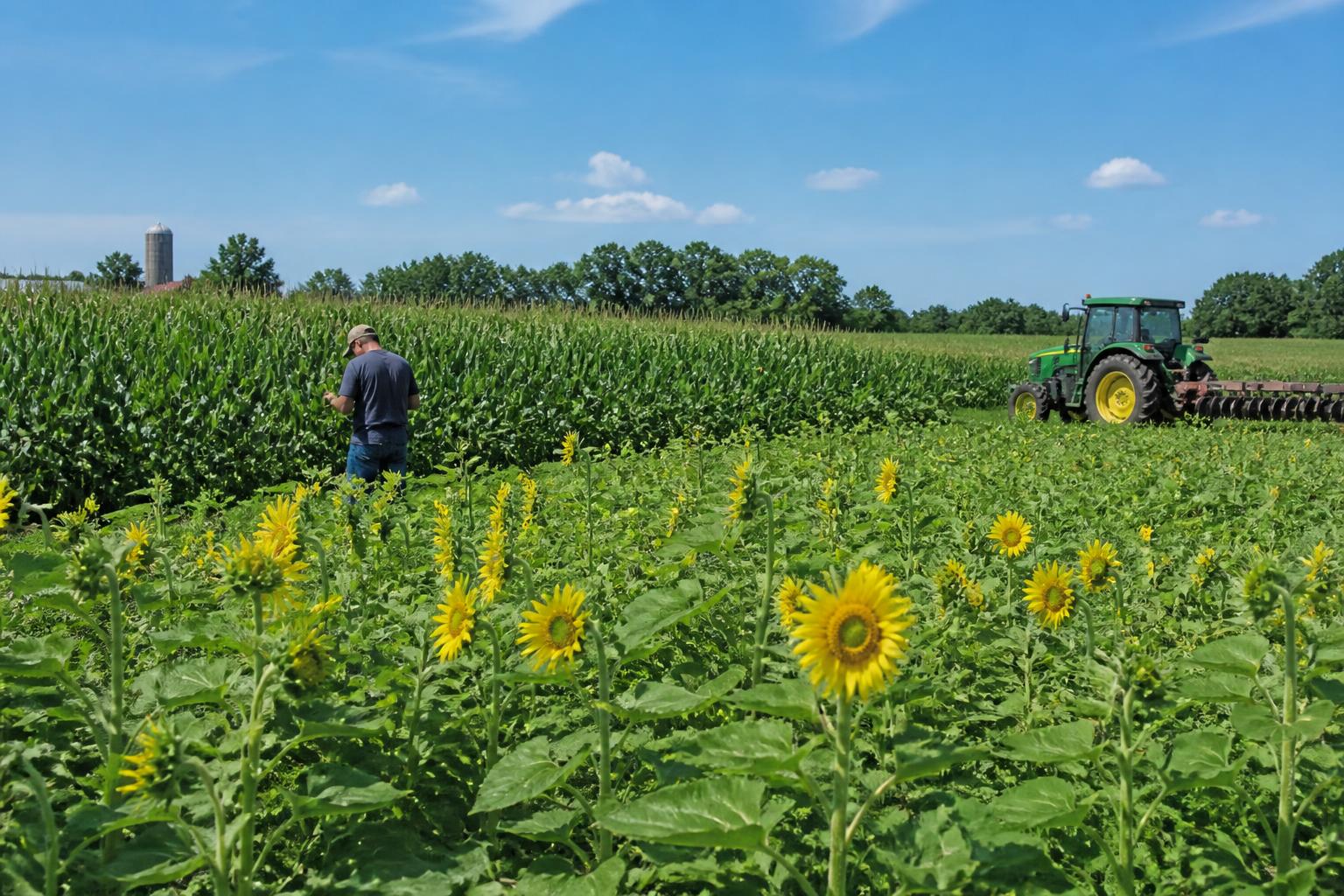
As the mid-summer growing season progresses across Minnesota, producers are managing a landscape defined by both biological and economic variables. While corn and soybean planting decisions remain a primary focus for many operations, recent confirmed cases of tar spot have introduced an additional layer of management complexity for corn growers. Monitoring these developments closely is essential for protecting yield potential as we move deeper into the development stages.
Beyond the field, the broader logistics environment remains a critical component of market health. Recent reports highlight shifting export patterns for distillers dried grains with solubles (DDGS), with international interest, particularly from Indian buyers, impacting movement through regional processing and export facilities. For those looking to navigate current inventory challenges, understanding the nuances of how to buy grain in Minnesota can be a strategic asset when balancing local elevator capacity with ongoing harvest-ready logistical constraints.
Managing Economic and Input Volatility
Financial margins continue to be a top-of-mind concern for Minnesota agribusinesses. The intersection of rising input costs and market fluctuations has contributed to increased financial pressure for many farms, a trend reflected in recent reports on regional bankruptcy data. Staying informed on grain market trends and input management is increasingly vital for maintaining operational resilience throughout the season.
Producers are also navigating long-term market forecasts that suggest evolving demand for inputs, including those associated with soil health and nutrient management. As the industry looks ahead, the stability of supply chains for essential inputs remains a factor that could influence local operations and bottom-line outcomes for the upcoming harvest cycle.
What it means for the market
For Minnesota farmers and grain handlers, the current environment demands a proactive approach to risk management. Between the emergence of crop diseases like tar spot and the persistent need to monitor regional grain logistics, agility is key. Whether dealing with export-driven DDGS demand or adjusting to tight margins, relying on consistent market intelligence will be crucial for maintaining stability throughout the remainder of the summer months.
Comments
No comments yet - be the first to share your take.