
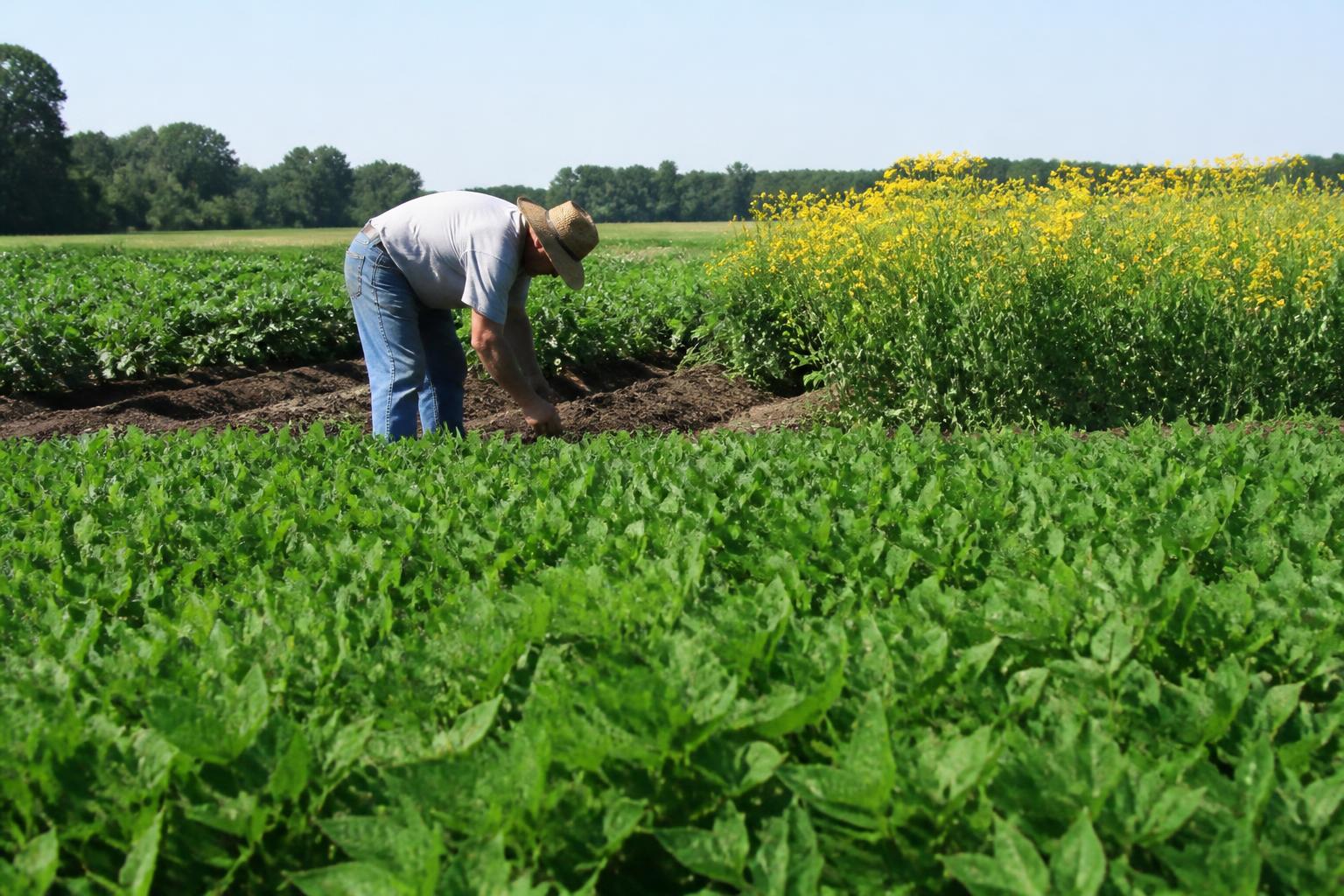
Mid-summer in South Carolina brings a distinct set of operational challenges for the state's agricultural community. As field activities shift into high gear, growers are increasingly focused on critical nutrient and protection applications, particularly among peanut producers currently navigating complex tank-mix decisions. With the appointment of new specialists in the field, the emphasis remains on optimizing input efficiency to safeguard yield potential during these high-growth summer months.
Expanding Enterprise Options and Infrastructure
Beyond traditional staples, there is growing interest in diversifying operations, with some producers exploring new crop varieties like canola to better align with market demands. This trend toward diversification is supported by local infrastructure improvements, including the recent establishment of biologicals facilities within the state. These regional developments can help South Carolina grain producers evaluate summer crop prospects as they weigh the benefits of shifting logistics and emerging supply chain efficiencies.
Logistics and Economic Pressures
As harvest approaches and fields reach peak maturity, grain handling and transport logistics remain top of mind. Maintaining efficient movement from field to elevator is essential, especially as stakeholders monitor rail car availability and regional transportation bottlenecks. While sourcing quality grain in South Carolina remains a priority for buyers, producers must also contend with the broader economic climate, including fluctuations in borrowing costs and input price volatility that continue to influence strategic planting and storage decisions for the season ahead.
What it means for the market
For agribusinesses and logistics providers, the current landscape suggests a need for heightened coordination. As growers finalize protection programs and prepare for upcoming harvest cycles, timely communication between carriers and elevator operators is vital to managing capacity constraints. With ongoing interest in specialized crops and local processing, market participants should stay agile, balancing long-term investment strategies with the immediate logistical demands of the South Carolina summer growing season.
Comments
No comments yet - be the first to share your take.