
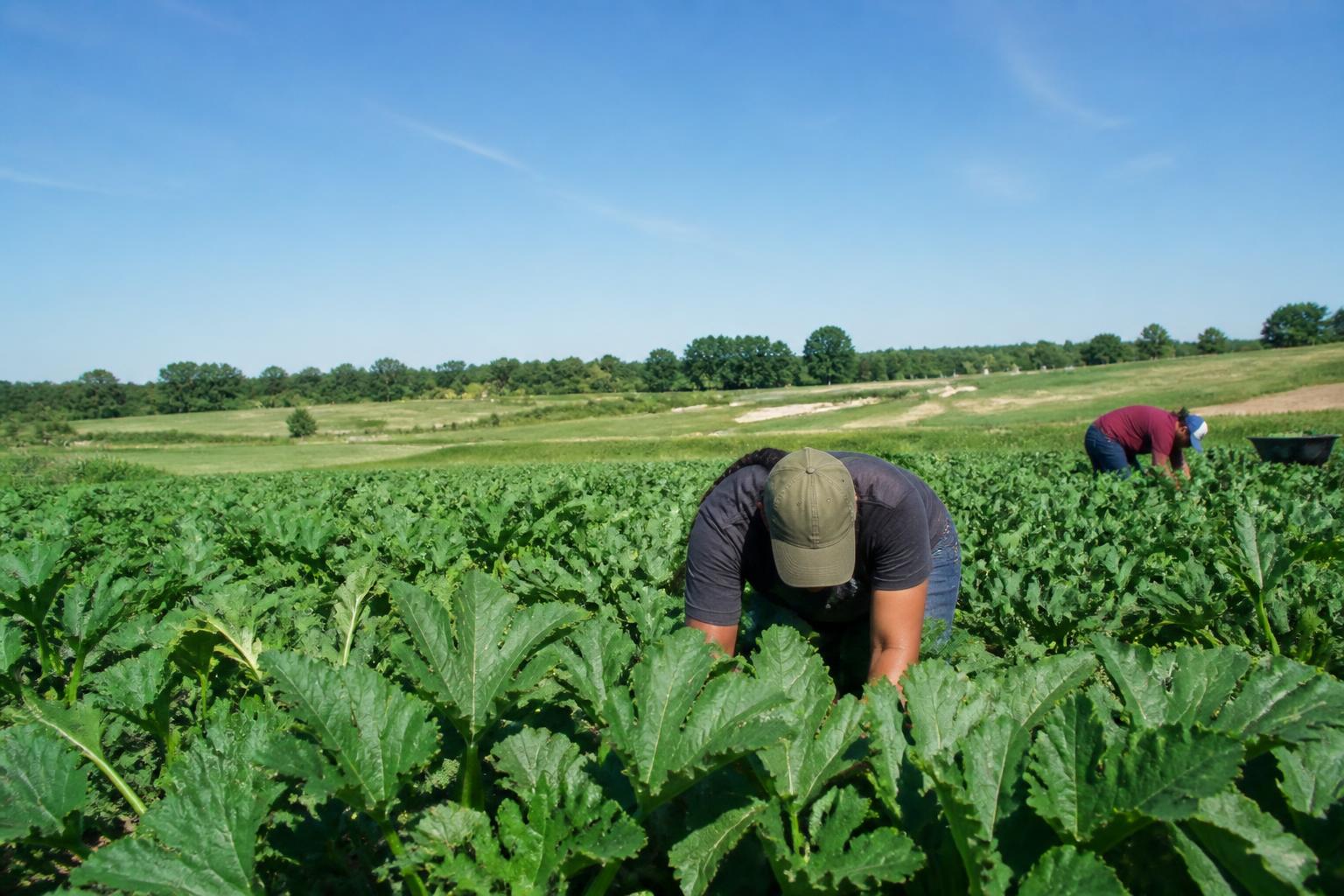
Alaska is seeing increased attention regarding its long-term potential for food production. As shifting climate patterns change the viability of various crops across the state, many producers are beginning to look at the future of small-scale grain cultivation in regions like the Matanuska-Susitna Valley and the Tanana Valley. While the region currently faces unique logistical constraints, strategic planning is essential for those looking to diversify their operations.
Successfully navigating operational challenges in Alaska's summer grain and dairy landscape requires a keen eye on both regional environmental changes and global economic factors. For many farmers, understanding the evolving soil and temperature conditions is the first step toward scaling production effectively.
Global Market Impacts on Input Costs
While local opportunities expand, the broader agricultural sector remains sensitive to global supply chain pressures. International instability in major energy-producing regions can often trigger a ripple effect on fertilizer prices. For Alaskan farmers, who typically depend on long-distance supply chains to secure inputs, monitoring these global developments is critical for managing bottom-line expenses during the growing season.
Strategic Planning for Producers
Whether you are evaluating your current yields or looking into the viability of grain for the first time, keeping a close pulse on grain buyers, sellers and prices in Alaska can provide a necessary framework for planning. As the state moves toward increased production capacity, understanding how to manage inputs while facing potential price shocks is paramount for long-term farm stability.
Furthermore, staying informed about advancing crop protection strategies in the Alaskan growing season will remain a key component of success as production methods modernize in response to these changing climatic conditions.
What it means for the market
The convergence of a changing climate and global input volatility creates a complex environment for Alaskan agribusiness. Producers should focus on regional cooperation and lean supply chain management to insulate themselves from external price spikes while exploring the long-term feasibility of grain crops in a shifting northern climate.
Comments
No comments yet - be the first to share your take.