
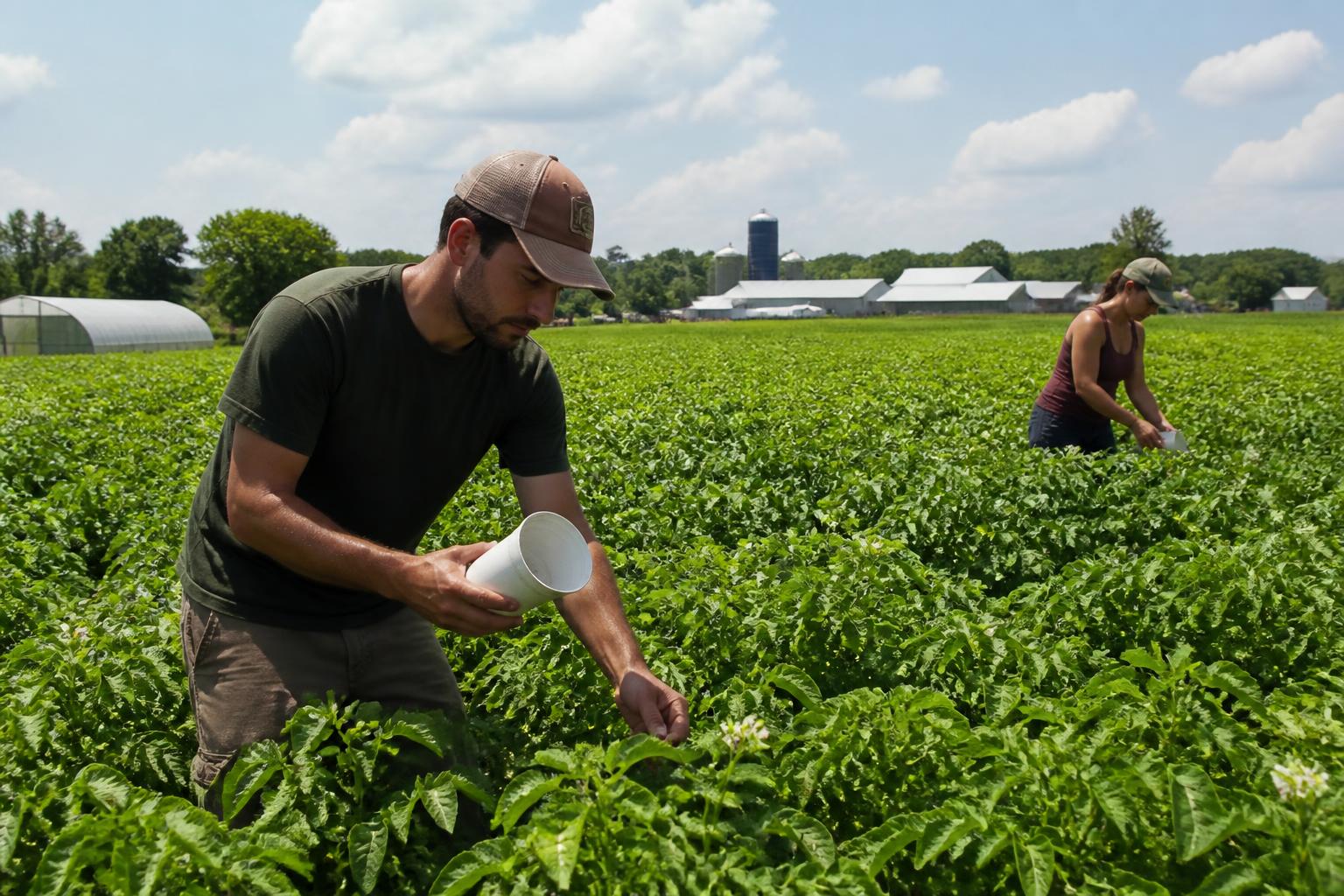
Mid-summer in Alaska presents a unique set of challenges and opportunities for producers across the state. As the daylight hours stretch to their maximum, the pressure on crop health demands a proactive approach to management. Growers are increasingly looking at a mix of established tools and innovative alternatives to protect their investments during this critical period of rapid development.
For those managing intensive vegetable or greenhouse operations near the Matanuska-Susitna Valley or in the vicinity of Fairbanks, current market shifts are making it more important than ever to optimize input efficiency. Whether you are focusing on optimizing crop protection strategies or considering long-term sustainability, the focus remains on resilient output.
Emerging Tech and Sustainable Approaches
The landscape of crop protection is evolving beyond standard chemical applications. Recent developments in photonic platforms and biological pest management provide producers with new avenues to reduce reliance on traditional poisons. These methods are particularly relevant in Alaska's delicate ecosystem, where maintaining soil and water quality is paramount. While chemical solutions still play a role, many local operators are finding value in integrating these new technologies to address pest pressure more precisely.
Logistics and Resource Management
Effective crop management requires a consistent supply chain. When planning your application schedule, remember that the reliability of delivery for inputs can fluctuate based on regional infrastructure and transportation constraints. Keep in mind the importance of navigating crop protection demands early, as lead times for specialty products can be influenced by broader economic shifts and fluctuating global fertilizer costs, which continue to impact market stability.
What it means for the market
For Alaskan agribusinesses, the takeaway is clear: diversification in your protection toolkit is now a competitive advantage. By blending proven traditional methods with emerging, high-tech, or biological solutions, producers can better buffer against input price volatility and regulatory pressure. Staying agile with your supply procurement this summer will help ensure your fields remain productive through the final harvest window.
Comments
No comments yet - be the first to share your take.