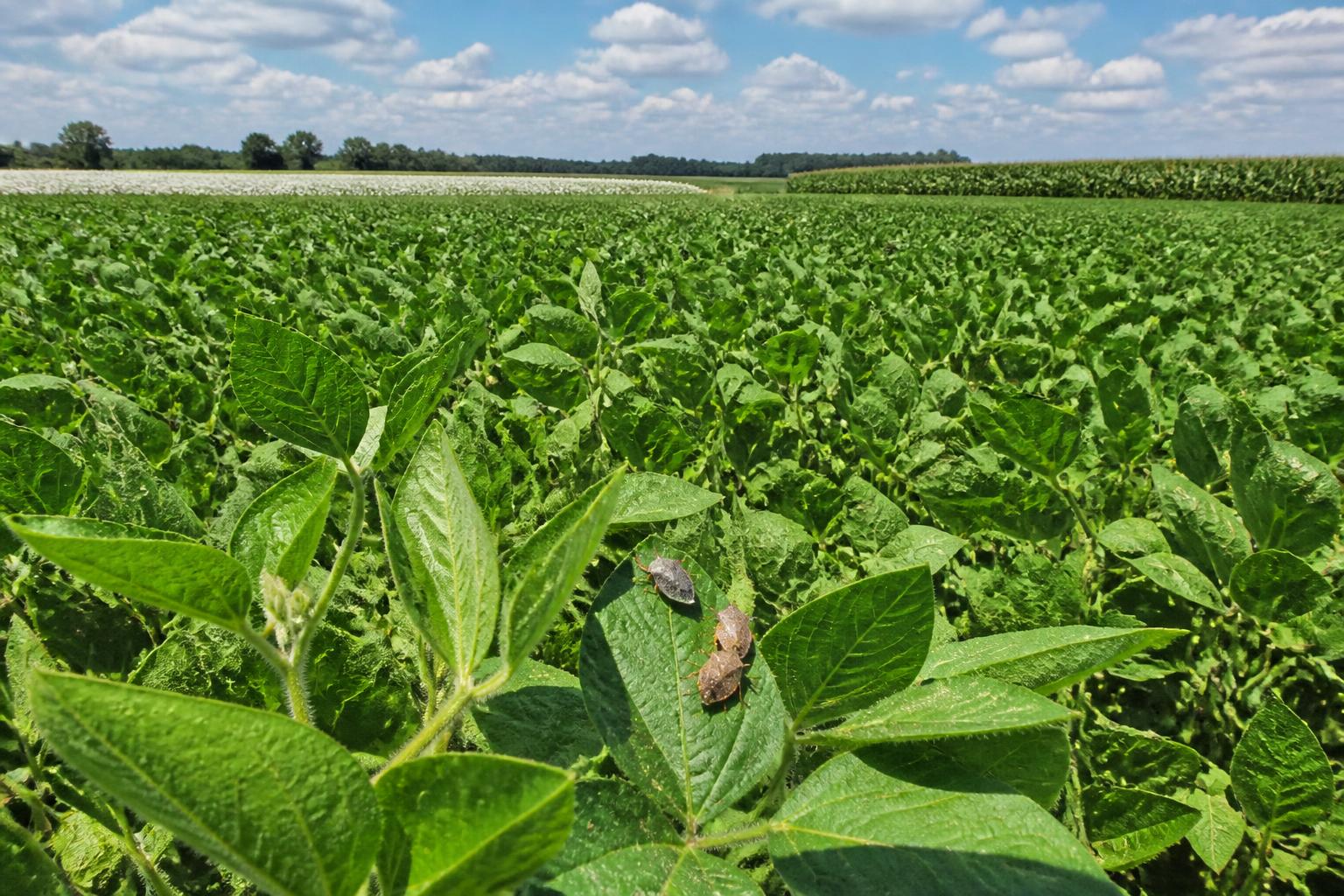
Louisiana Crop Protection Strategy: Managing Pests and Weather Stress
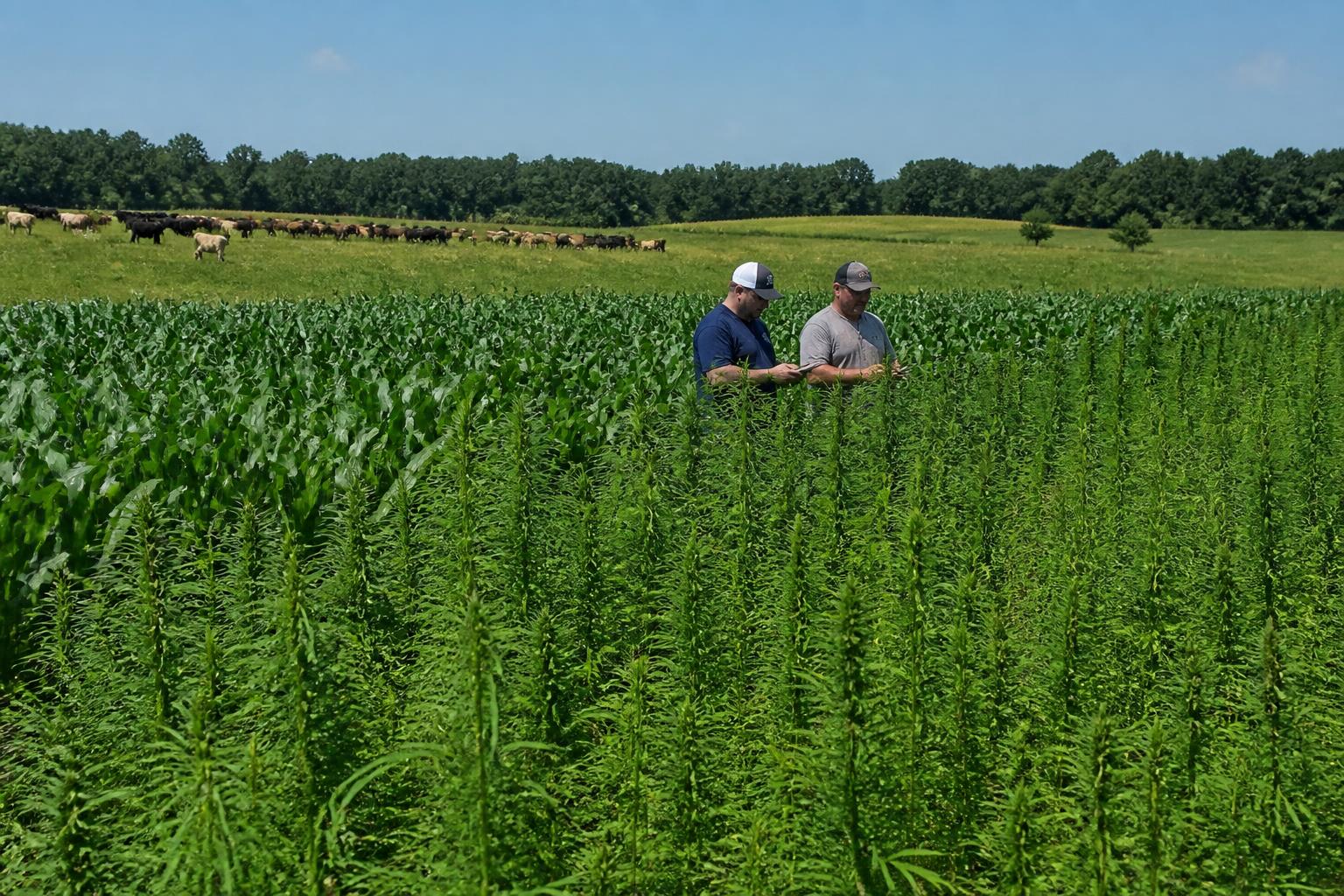
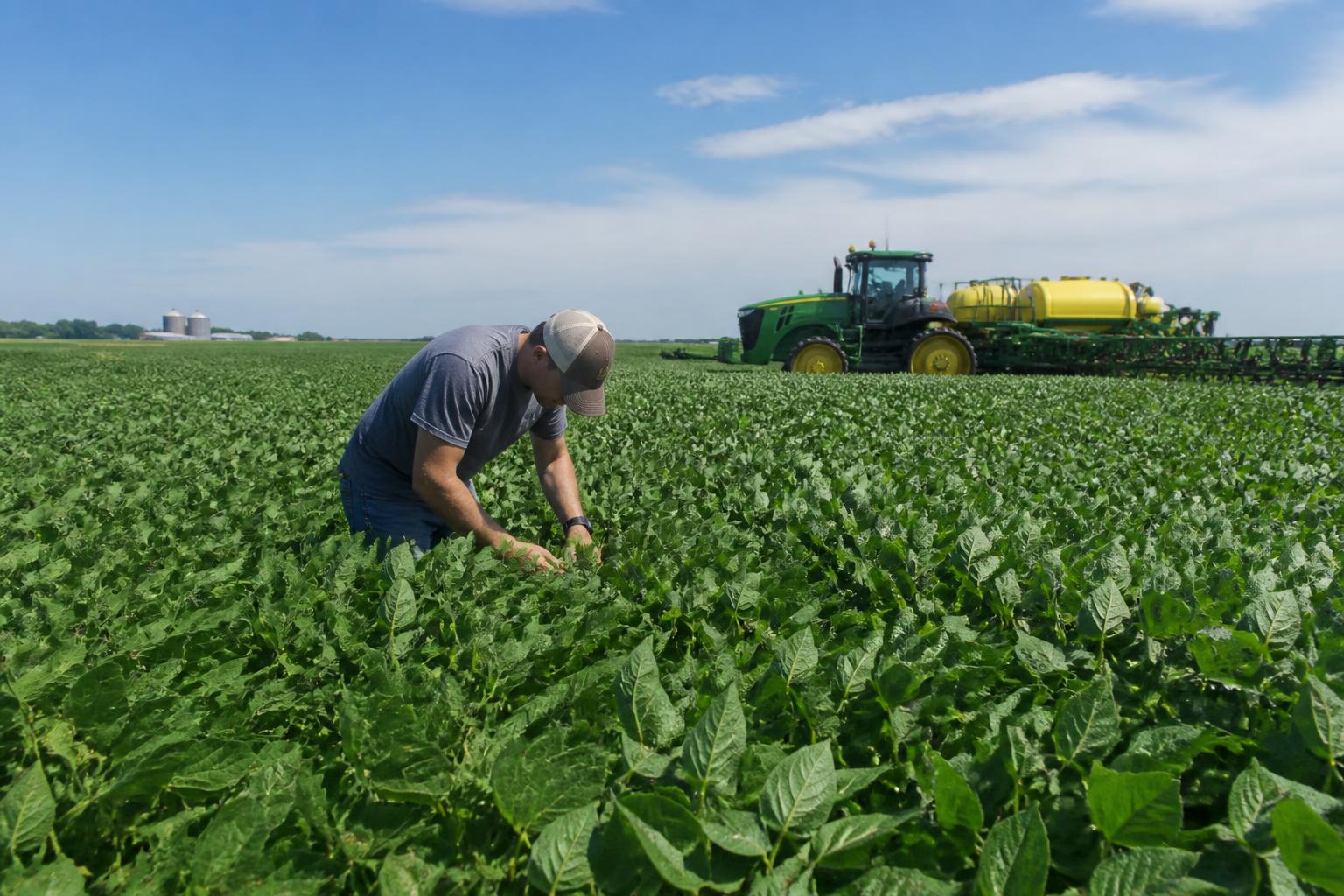
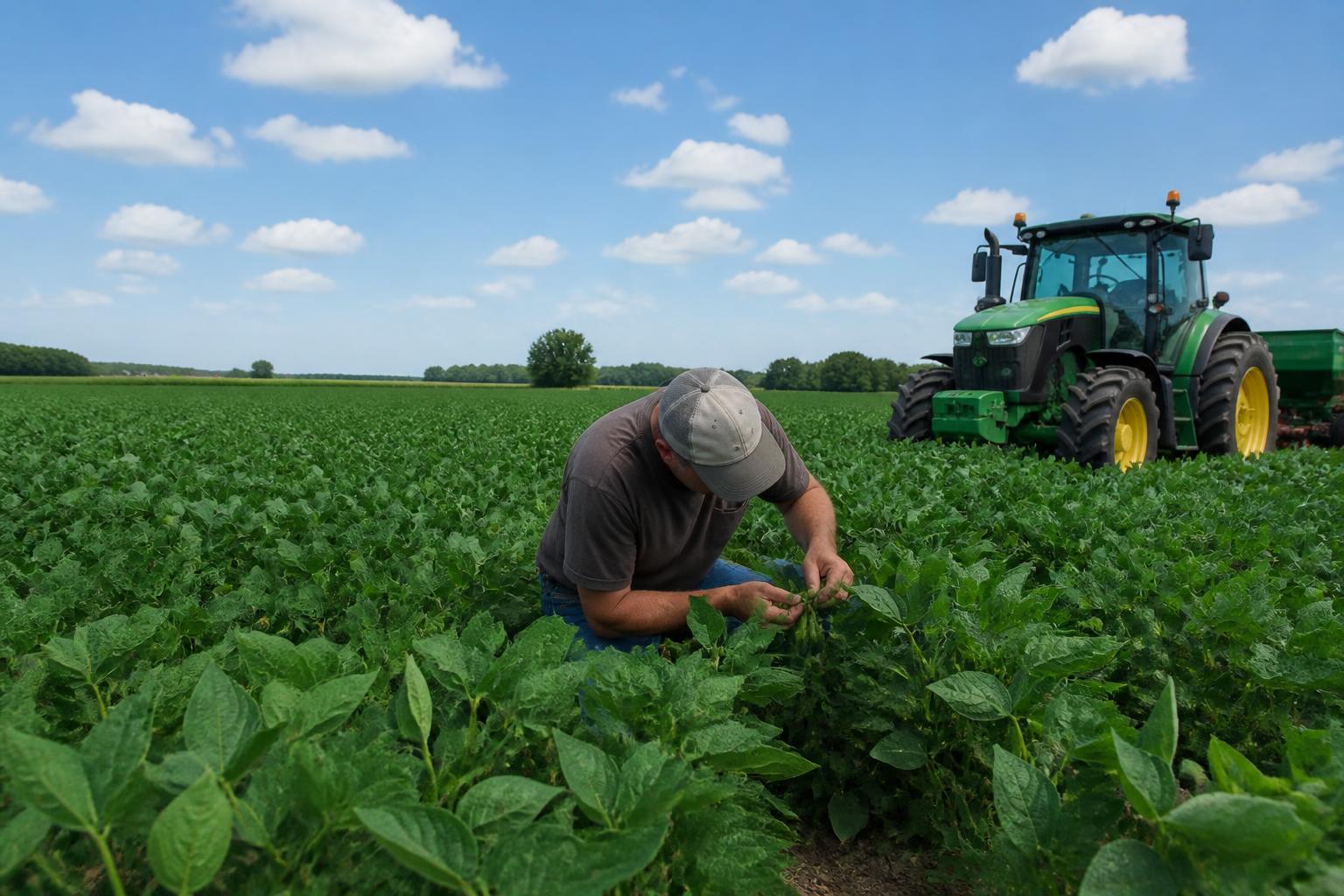
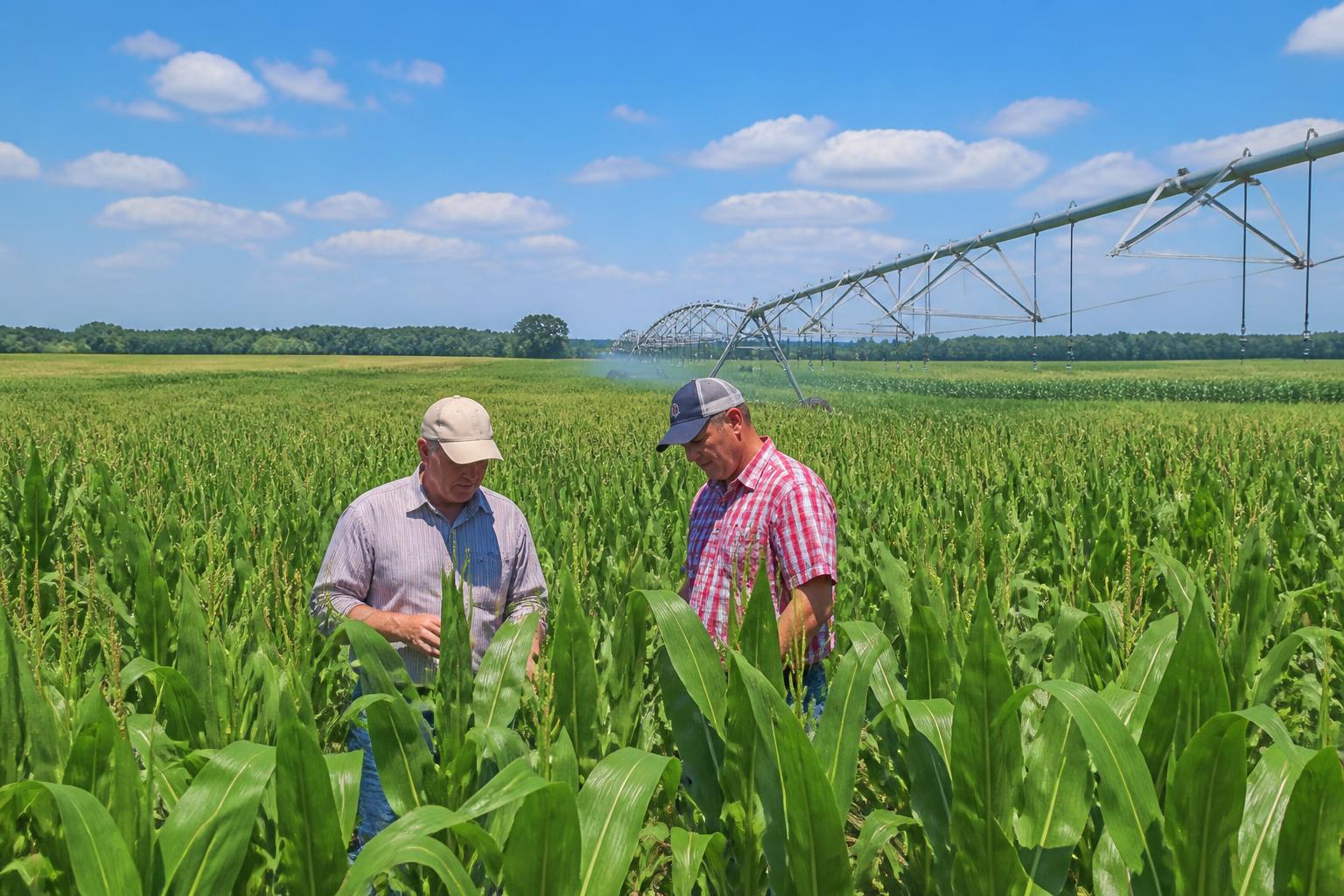
Louisiana farmers are navigating a challenging mid-summer season, balancing intense pest pressure with variable weather patterns to protect yield potential.
We collect original digests and analytical notes based on facts, market signals and verified sources.
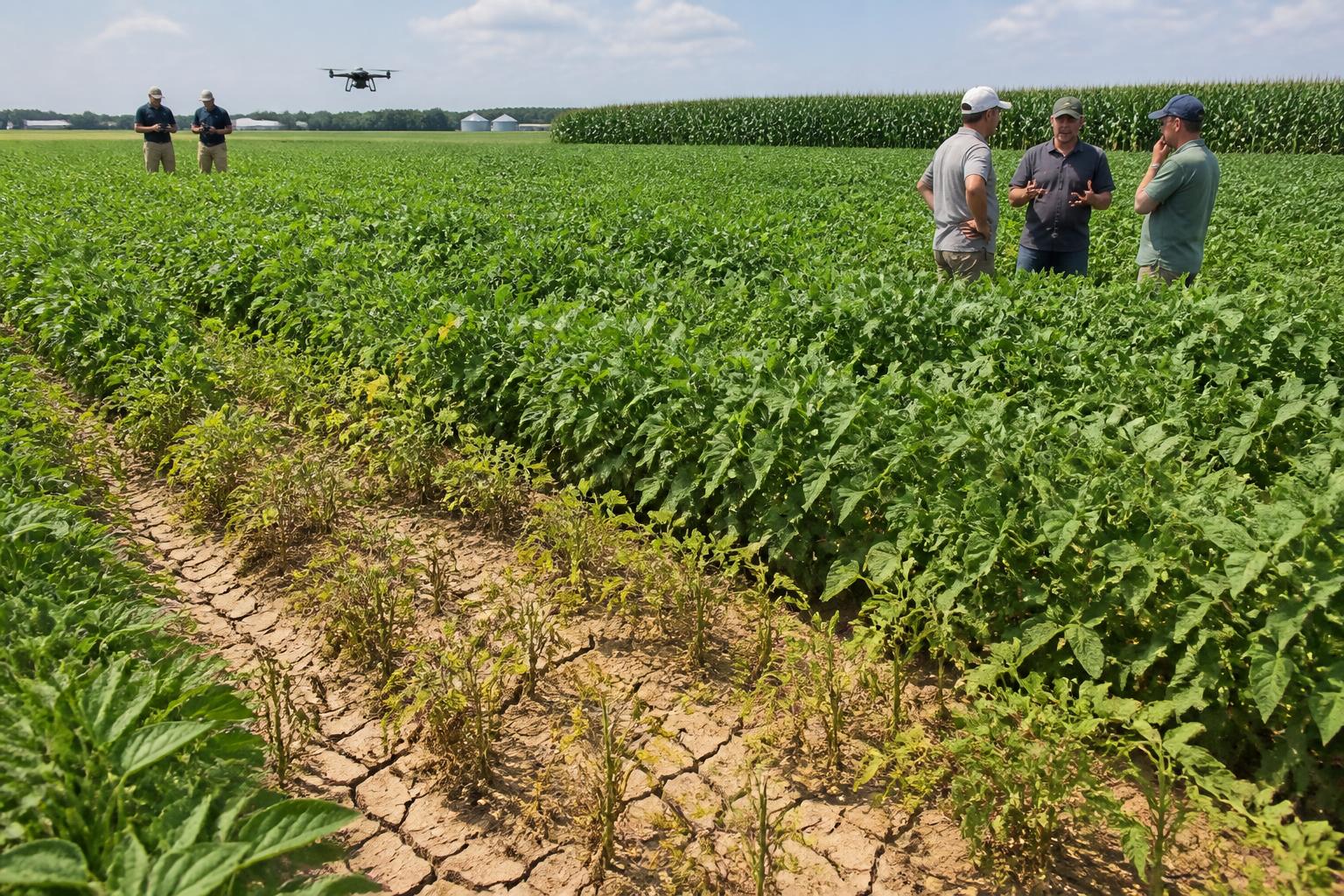
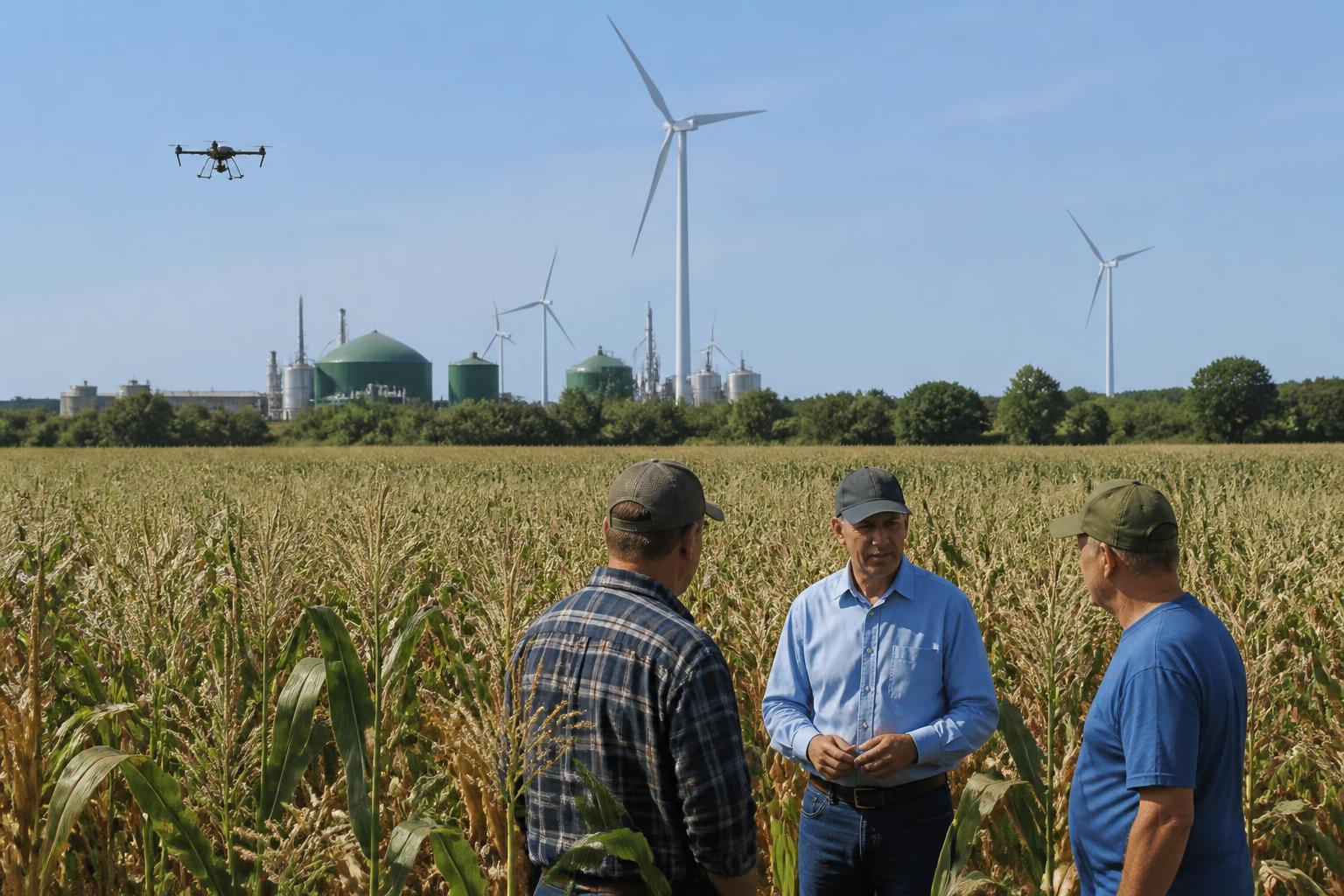
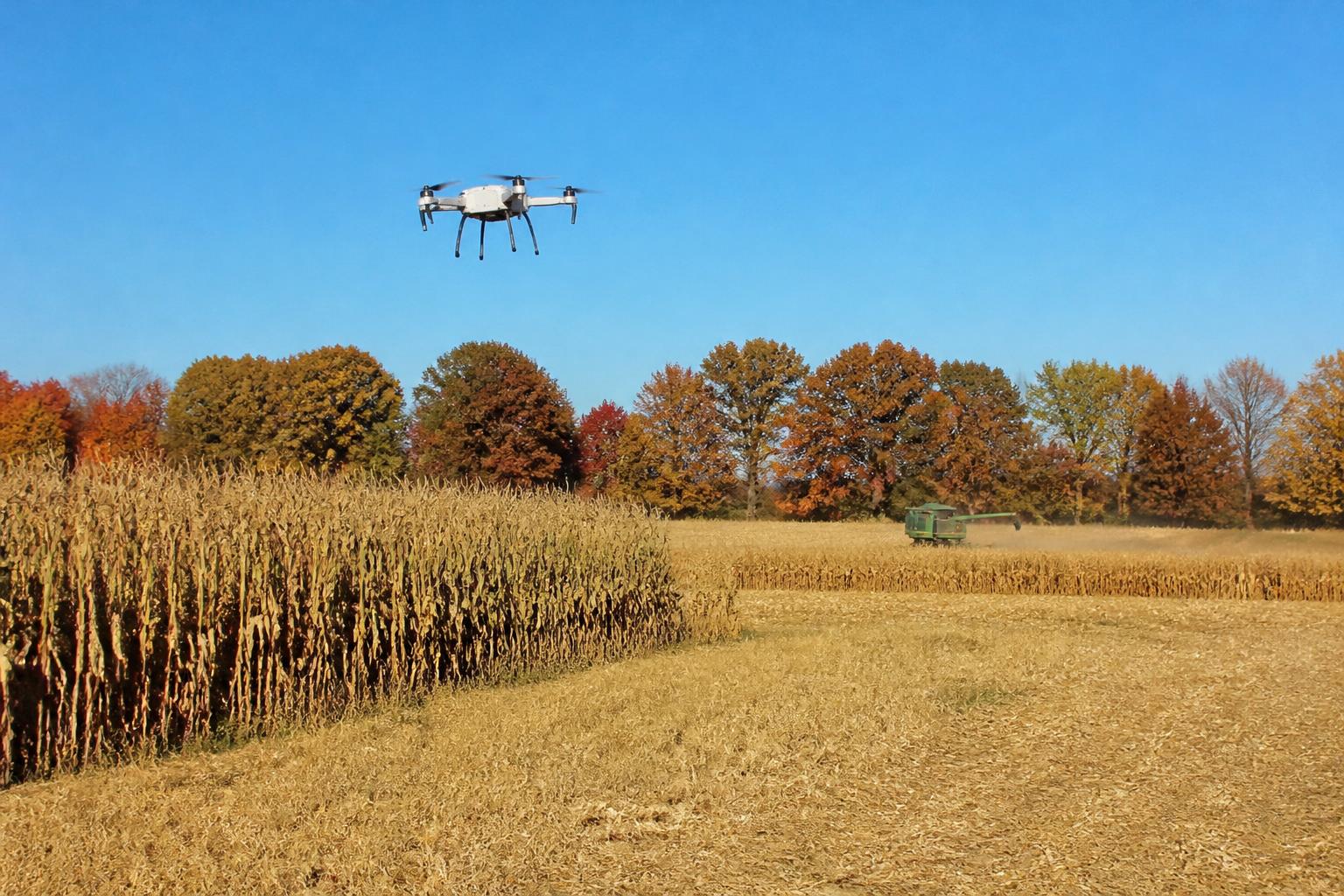
As Massachusetts growers navigate a changing regulatory environment and climate challenges, new investments in drone technology and evolving pesticide policies are reshaping local crop protection strategies.
Louisiana farmers are navigating a challenging mid-summer season, balancing intense pest pressure with variable weather patterns to protect yield potential.
As mid-summer fieldwork hits its peak in Missouri, producers face a complex landscape of emerging pest pressures, legal developments regarding input use, and evolving infrastructure needs.
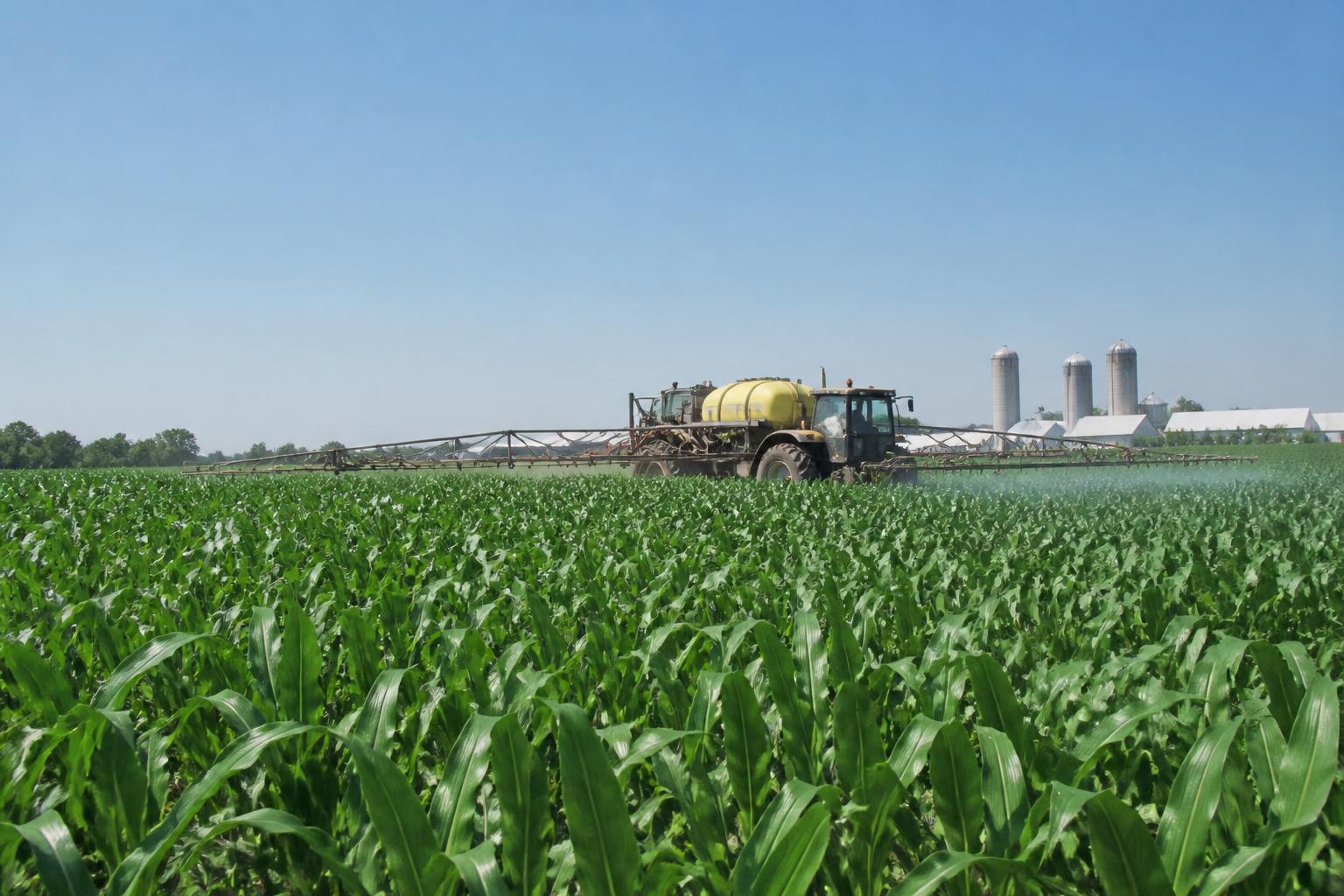
As summer heat intensifies, Montana growers are evaluating effective pest management strategies to protect yield potential while managing rising input costs.
As Illinois farmers move through the summer season, managing tightening margins while addressing persistent challenges like corn rootworm and shifting input costs remains a top priority.
As North Carolina moves through the peak of summer, agricultural researchers and growers are focusing on technology-driven pest monitoring and crop protection to safeguard vulnerable yields.
As Illinois producers navigate a tightening economic environment, new crop protection tools and shifting input cost strategies are becoming central to mid-season field management.
New York farmers are navigating persistent fertilizer cost challenges as the 2026 season progresses, prompting a renewed focus on regional resource management and tariff relief programs.
As Minnesota crops progress into the height of the summer growing season, producers are managing rising input expenses and potential pest threats with a mix of technology and careful monitoring.
Wisconsin producers are facing tightening margins as input costs surge and regional logistics face pressure from terminal closures, requiring tighter management of crop protection and input strategies.
As Alabama crops advance through the peak summer heat, growers are pivoting toward late-season weed management and refined marketing strategies to protect bottom-line performance.
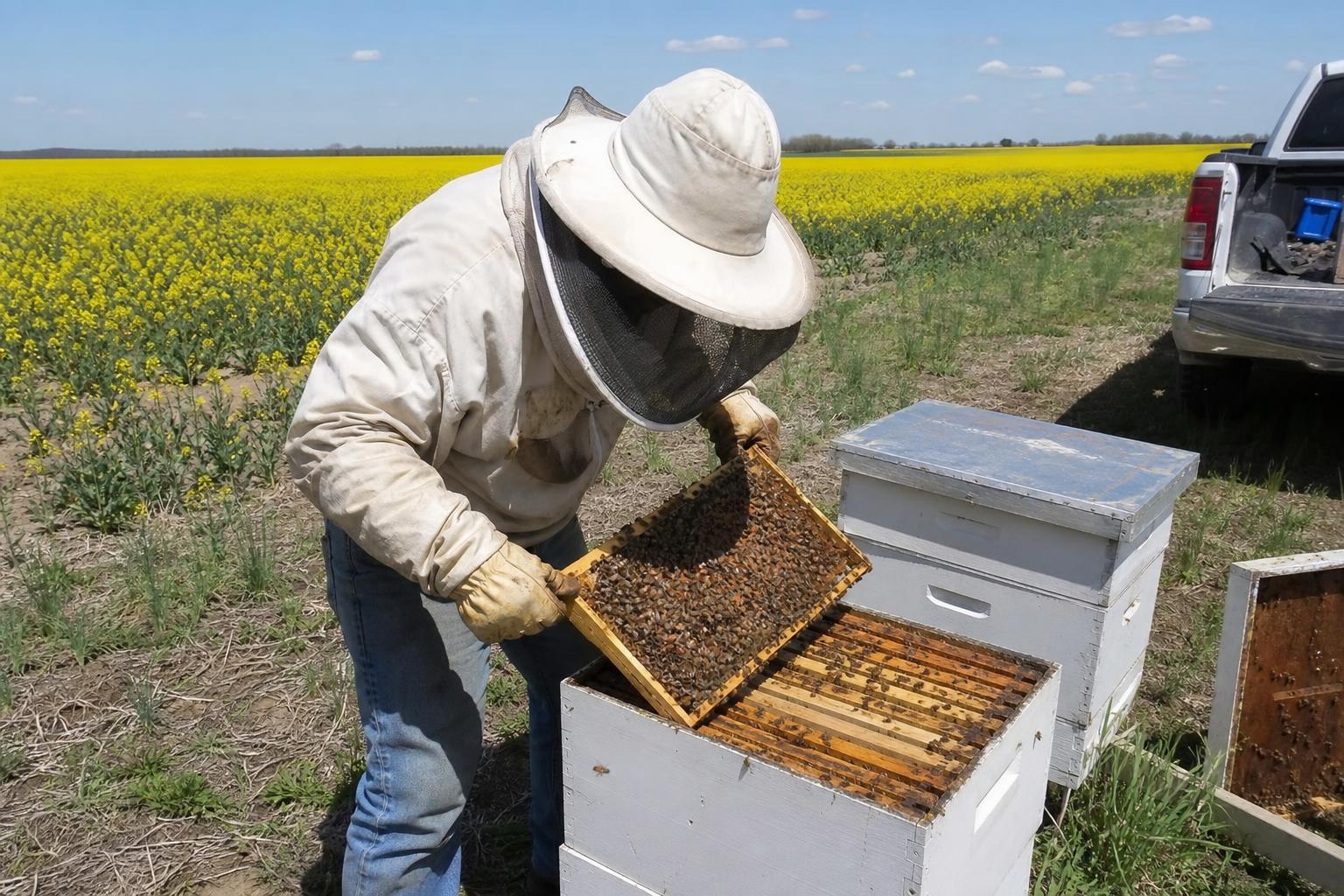
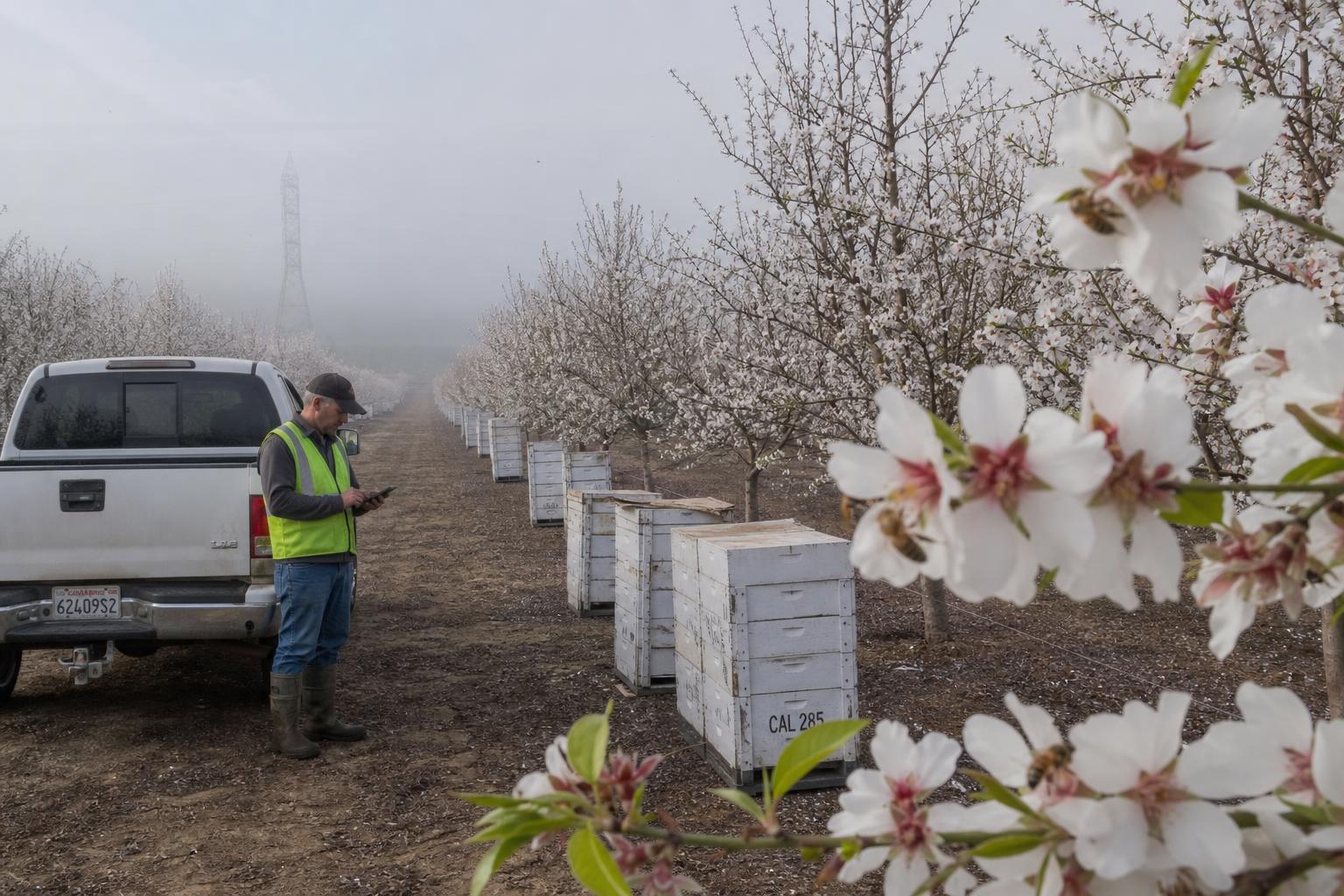
USDA ARS research on Nosema ceranae shows how the parasite can disrupt iron use in honey bees, reinforcing the need for growers, beekeepers and input advisers to keep pollination health in crop protection planning.
USDA ARS findings on Nosema ceranae show how the parasite weakens honey bees by disrupting iron movement in the bee gut. For U.S. growers, the market signal is practical: pollination services, spray timing, and plant health planning should remain part of crop protection risk management, especially for pollination-dependent crops.
Sign in to manage requests, save contacts and respond to market offers quickly.
Continue with Google Continue with MicrosoftSign in to manage requests, save contacts and respond to market offers quickly.
Continue with Google Continue with MicrosoftEnter your email and we will send a password reset link.
Don't have an account?
We value your privacy
We use cookies to run the site and, with your consent, to measure traffic (Google Analytics) and personalize ads. You can accept, reject, or choose. Privacy Policy