
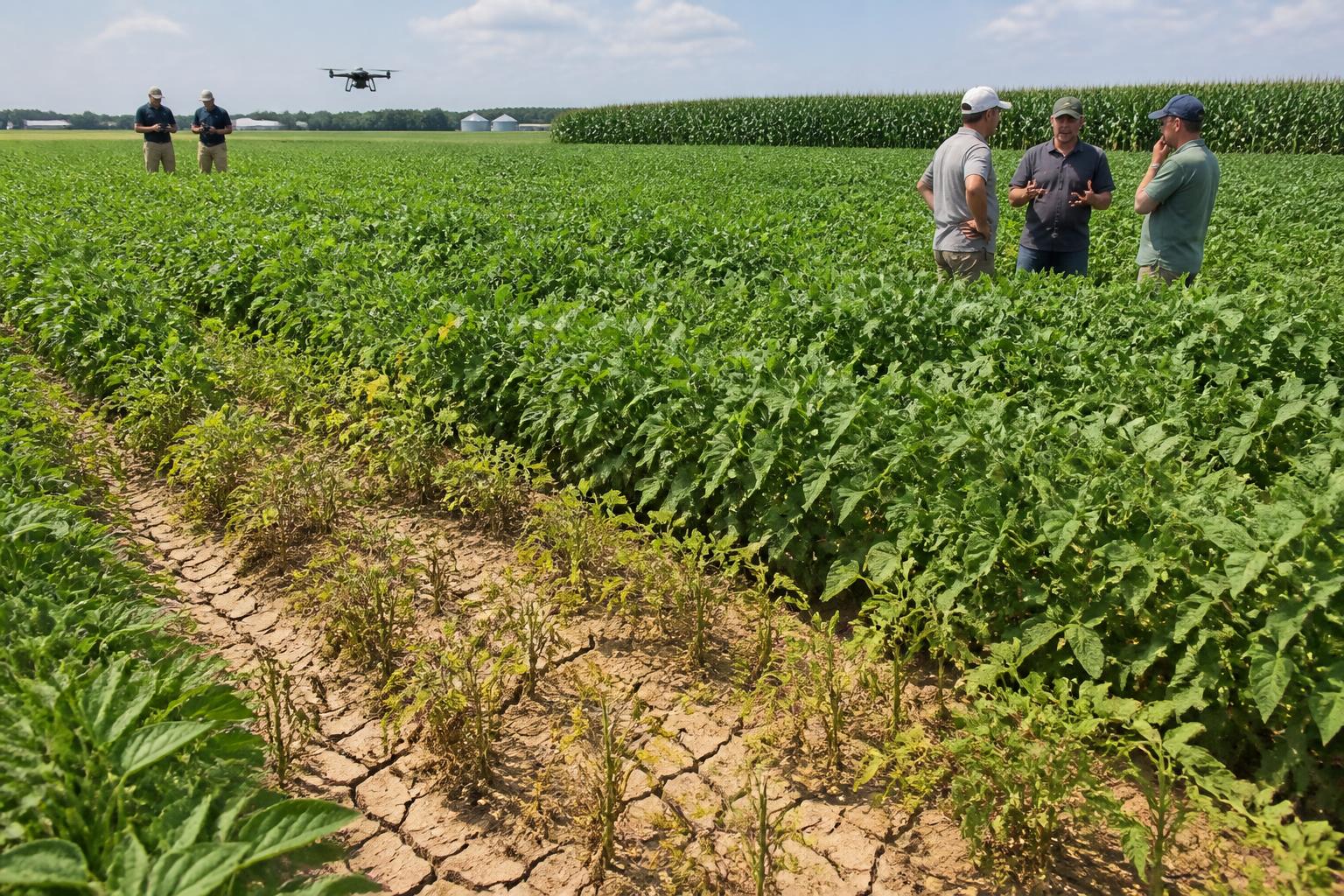
Mid-summer in North Carolina brings a critical focus on crop protection as growers across the state navigate the intersection of high temperatures and emerging biological threats. With soil temperature and moisture levels acting as primary indicators for pest development, producers are increasingly turning to advanced diagnostic tools to manage risks before they impact harvest quality.
Integrating data-driven approaches into daily operations has become a standard practice for many, particularly with projects like the AIRS initiative bringing autonomous drone surveillance to regional research stations. These technologies allow for more precise scouting, helping identify stress points in crops before they manifest as widespread field issues. Monitoring systems have become vital as North Carolina grain producers navigate mid-summer agronomic hurdles, where maintaining stand integrity remains a top priority.
Targeting Emerging Pathogen Threats
Specialized commodity groups are also seeing intensified research efforts. Recent initiatives aim to counter threats such as Neopestalotiopsis in strawberries, a pathogen that can rapidly destabilize production if not addressed through early intervention and refined chemical applications. These efforts mirror broader industry movements where crop rotation and nutrient precision remain central to navigating North Carolina's summer agronomy decisions, effectively reducing the reliance on reactive measures by strengthening overall plant health.
Tech Adoption and Infrastructure Investments
Beyond the field, the Research Triangle Park remains a hub for agricultural innovation, with sustained investment from global firms continuing to drive the development of new crop protection chemistry. This research pipeline is essential for sustaining the long-term viability of the state's diverse agricultural landscape. For producers, the availability of these tools, coupled with better data integration, is changing how field managers approach seasonal risk, particularly during periods of erratic moisture when North Carolina summer water management and safeguarding crops with deficit irrigation become essential economic levers.
What it means for the market
The emphasis on precision protection signals a move toward higher input efficiency, which is necessary as growers balance volatile market prices against the rising cost of chemical and technological solutions. For agribusinesses and suppliers, the demand is shifting toward products that offer integrated, multi-season performance data. By leveraging these modern protection strategies, North Carolina producers are better positioned to protect their margins against environmental variability, ensuring that operations remain resilient throughout the remainder of the growing season.
Comments
No comments yet - be the first to share your take.