
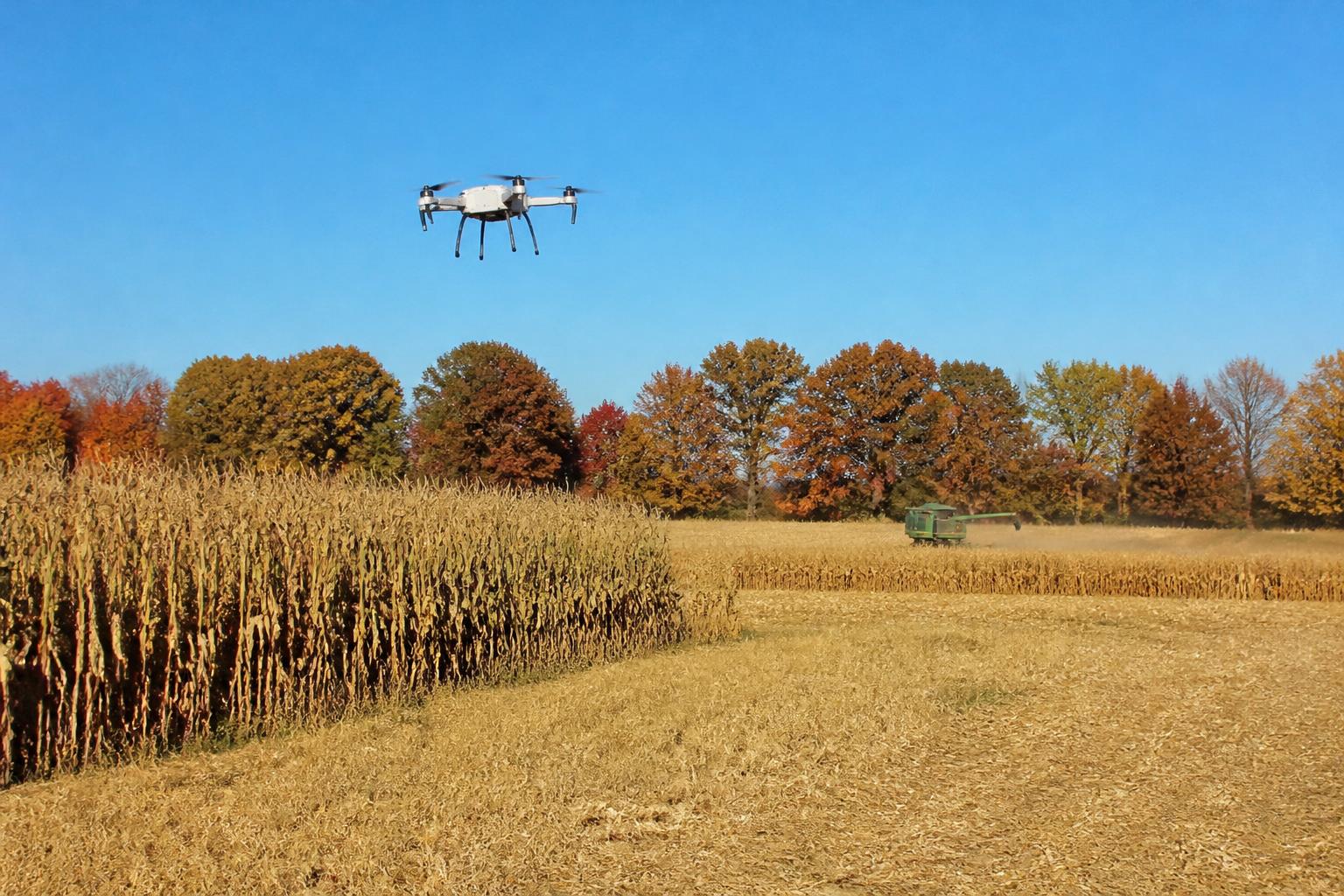
Massachusetts farmers are increasingly turning to advanced technology and updated management practices to navigate the complexities of modern crop protection. With the evolution of regional pest management and shifting climate patterns, the integration of precision tools has become a critical focal point for local agribusinesses looking to stabilize their operations.
Recent advancements, including the rise of drone-delivered application systems, offer potential improvements in how farms address localized threats. These precision technologies may provide growers with more efficient ways to target specific areas of their fields, reducing overall chemical exposure and helping to manage resources more effectively during the sensitive fall season.
Policy Changes and Regulatory Navigation
The regulatory landscape for crop protection in Massachusetts is also in flux. Recent policy shifts have provided growers, including those in emerging specialized sectors, with greater flexibility regarding approved pesticides. This move is viewed by many as a necessary adjustment to help farms maintain yields while complying with state-specific environmental standards. Adapting to these changes requires constant vigilance, as growers balance traditional practices with new, approved alternatives.
Building Resilience Against Climate Volatility
The need for modernized protection strategies is further underscored by the unpredictable weather patterns seen across the state. Producers in Western Massachusetts and other key agricultural regions have recently dealt with significant moisture challenges, which can complicate pest control efforts and increase the risk of crop loss. By focusing on resource strategy and input management, farmers are working to strengthen their resilience against these seasonal disruptions, ensuring that infrastructure remains as robust as the crops themselves.
What it means for the market
For Massachusetts growers, the combined pressure of regulatory updates and climate variability is driving a shift toward highly targeted, efficient protection methods. As the industry integrates more technology, such as aerial application and data-driven input management, those who prioritize flexibility and modernization will likely see better long-term stability. Staying informed on the latest state-approved products and technological advancements will remain a top priority for successful local harvest management.
Comments
No comments yet - be the first to share your take.