Navigating Late-Season Crop Health and Input Strategies in Iowa
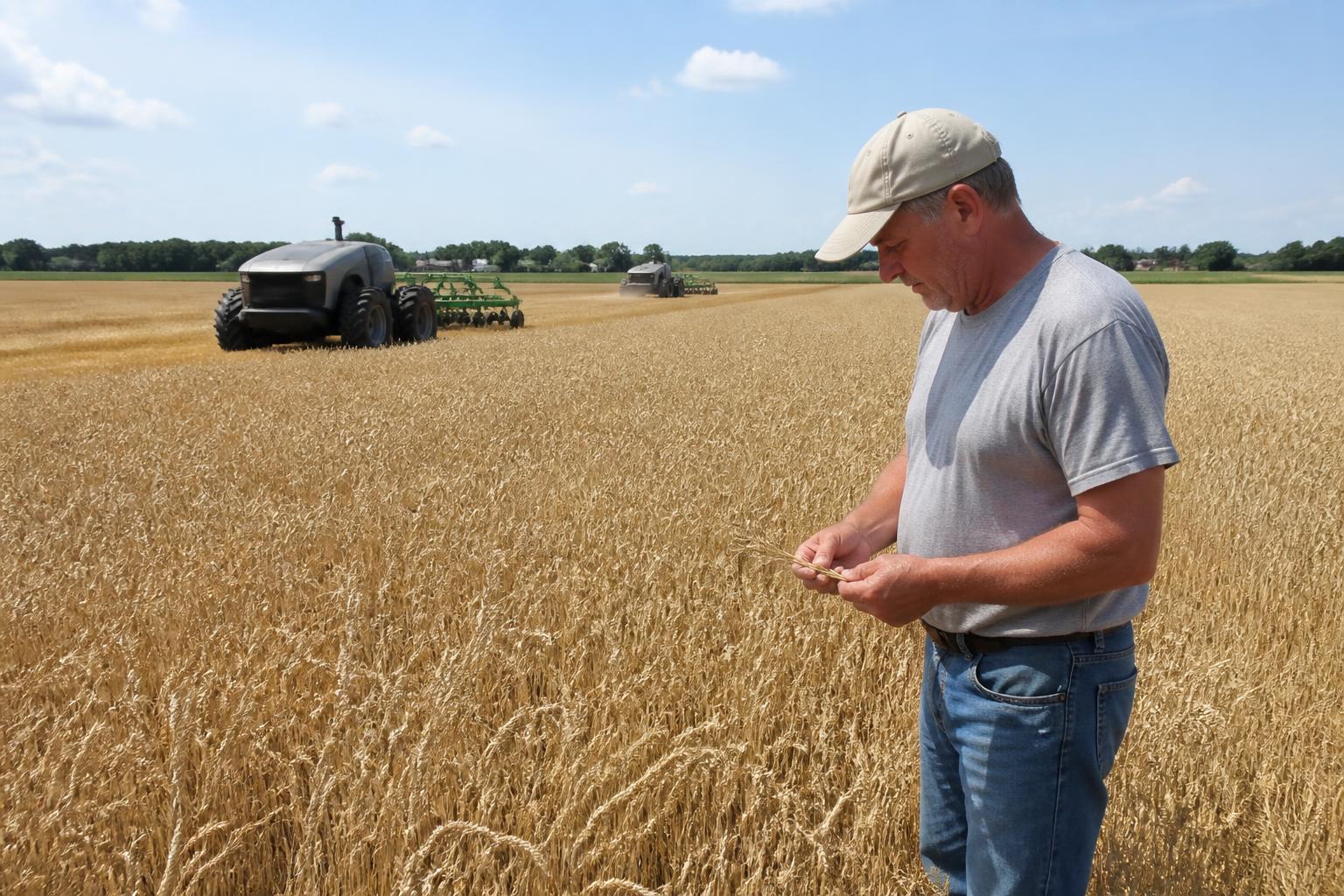
As fall approaches, Iowa producers are balancing final crop protection efforts with upcoming storage considerations and long-term input planning.
We collect original digests and analytical notes based on facts, market signals and verified sources.
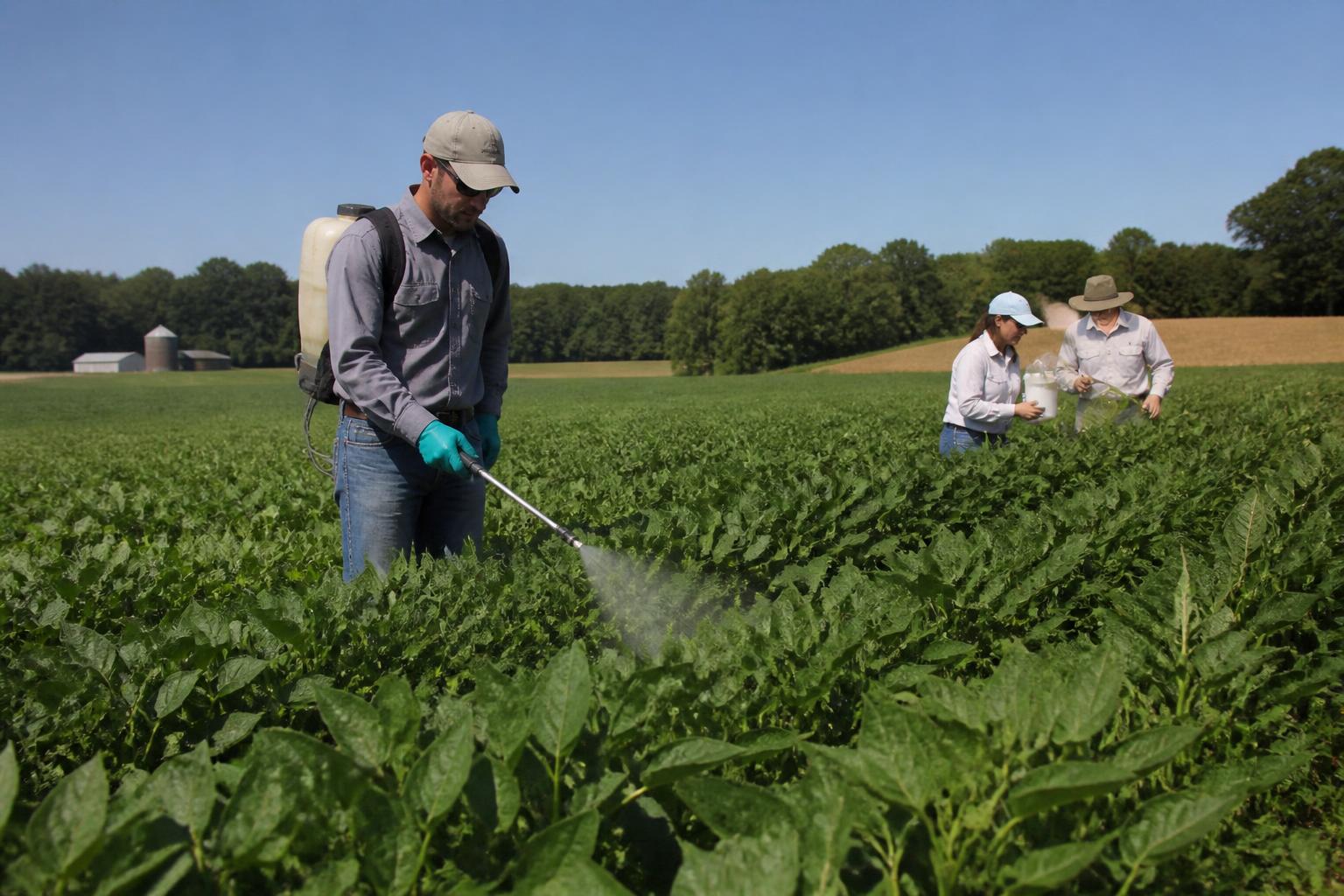
The recent identification of tar spot in Georgia fields necessitates proactive scouting and management strategies as producers navigate the final stages of the season.
As fall approaches, Iowa producers are balancing final crop protection efforts with upcoming storage considerations and long-term input planning.
As Missouri producers navigate late-summer field conditions, prioritizing crop protection and efficient resource management remains critical for safeguarding yields.
As August nears its end, Iowa producers are balancing high crop quality with emerging disease threats, emphasizing the need for targeted late-season protection strategies.
As Minnesota heads toward the end of summer, farmers are shifting focus toward late-season crop protection, soil management, and logistical readiness for harvest.
Recent USDA data has triggered notable reactions in the grain markets, requiring Ohio producers to stay agile as they prepare for the late-season transition.
As Montana producers move toward the end of summer, the focus turns to maintaining critical fuel and transport infrastructure while addressing ongoing pest management and input availability.
Virginia growers face late-summer pressures as pest activity intensifies, requiring diligent scouting and timely intervention to protect end-of-season yields.
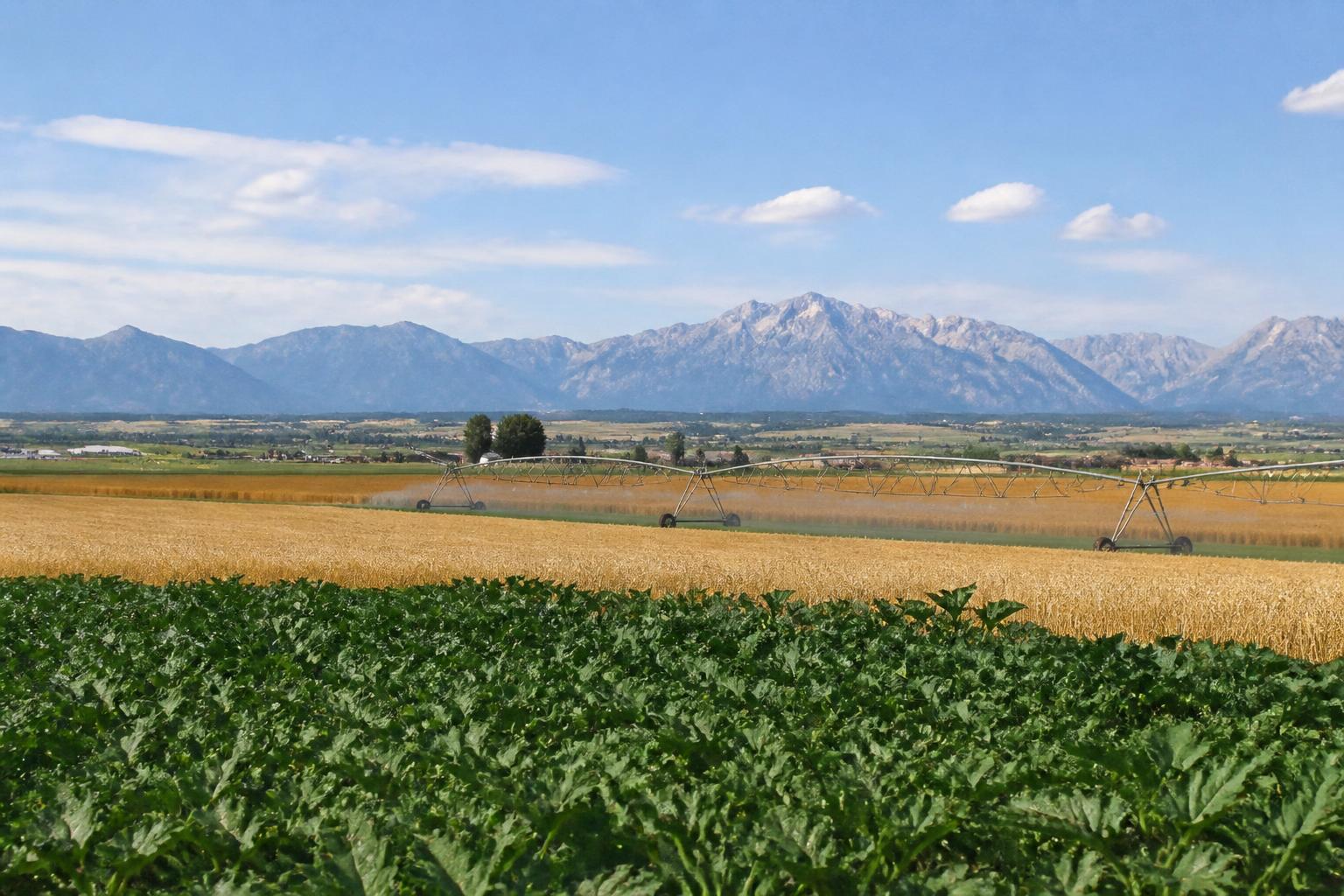
As summer operations peak in Idaho, producers are balancing improved irrigation efficiencies and technology adoption with ongoing concerns regarding input market competition and land accessibility.
As Missouri enters peak summer operations, grain handlers and producers should assess local storage capacities and regional transit efficiency to navigate the upcoming harvest season.
As summer progresses across Ohio, growers are intensifying efforts to manage late-season pest threats like the Western bean cutworm to protect yield potential.
As Washington state farmers move through the summer season, international trade negotiations and concerns over potential trade tensions remain top of mind for producers across the region.
As Wisconsin moves through the peak of summer, producers and agribusinesses are balancing ongoing field management with long-term logistics and market preparations.
Sign in to manage requests, save contacts and respond to market offers quickly.
Continue with Google Continue with MicrosoftSign in to manage requests, save contacts and respond to market offers quickly.
Continue with Google Continue with MicrosoftEnter your email and we will send a password reset link.
Don't have an account?
We value your privacy
We use cookies to run the site and, with your consent, to measure traffic (Google Analytics) and personalize ads. You can accept, reject, or choose. Privacy Policy