
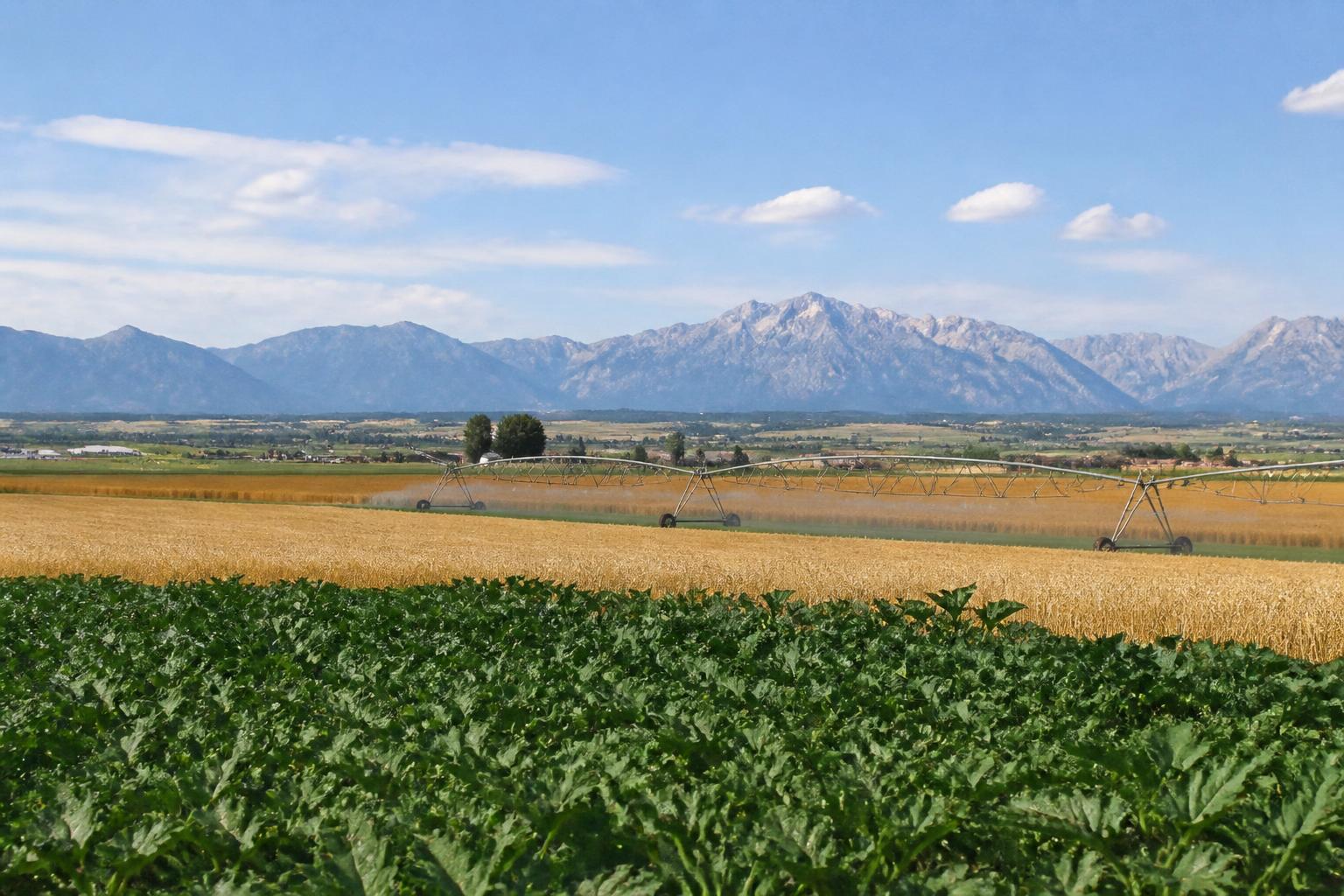
Mid-summer is a critical period for Idaho agriculture as growers across the state monitor irrigation performance and prepare for the upcoming harvest cycle. With recent reports highlighting continued advancements in water application technology, many producers are finding ways to optimize resource usage despite the seasonal heat. These gains in irrigation efficiency remain a central theme for maintaining crop health and supporting overall operational stability during the drier months.
As operations progress, regional stakeholders are closely watching developments in supply chain management. The integration of specialized software and digital tools continues to reshape how produce moves through the local pipeline, helping agribusinesses manage inventory and logistics more effectively. Understanding these evolving systems can be vital for operations looking to mitigate delays during the high-traffic windows that often accompany peak harvest months.
Navigating Market Pressures and Land Access
The landscape for input procurement remains a point of focus for many in the industry, particularly as producers navigate ongoing legal discussions concerning competition among major input suppliers. For those managing farm inputs, staying updated on these broader market trends may assist in long-term strategic planning. You can learn more about how regulatory shifts and infrastructure growth are impacting the state to better position your business for future seasons.
Additionally, land management continues to be a dynamic factor for Idaho producers. Recent transactions involving state endowment lands illustrate the ongoing shift in property use and the need for clear communication regarding land security. Maintaining a stable footprint is essential for long-term production, especially when considering the pressures of development in high-growth areas. Further insight into navigating land use and water stability can help operators better prepare for upcoming land management challenges.
What it means for the market
For Idaho farmers and logistics providers, the remainder of the summer season will likely prioritize efficiency and risk mitigation. While technological advancements in irrigation and supply chain logistics provide a buffer against rising costs, the focus remains on controlling input expenses and securing essential resources. Growers who proactively integrate these efficiencies now may find themselves better insulated against potential market volatility as harvest activities gain momentum across the state.
Comments
No comments yet - be the first to share your take.