
Managing Late-Season Pest Threats
With the current season reaching a critical stage, Ohio producers are paying close attention to field health as crop protection remains a primary focus. Recent scouting reports have highlighted an escalation of the Western bean cutworm in both Michigan and Ohio, necessitating proactive monitoring programs. For many growers across the state, identifying these populations early is essential to maintaining effective mid-summer strategies for crop protection and ensuring that yield targets are not compromised by insect damage.
Advancing Precision in Field Protection
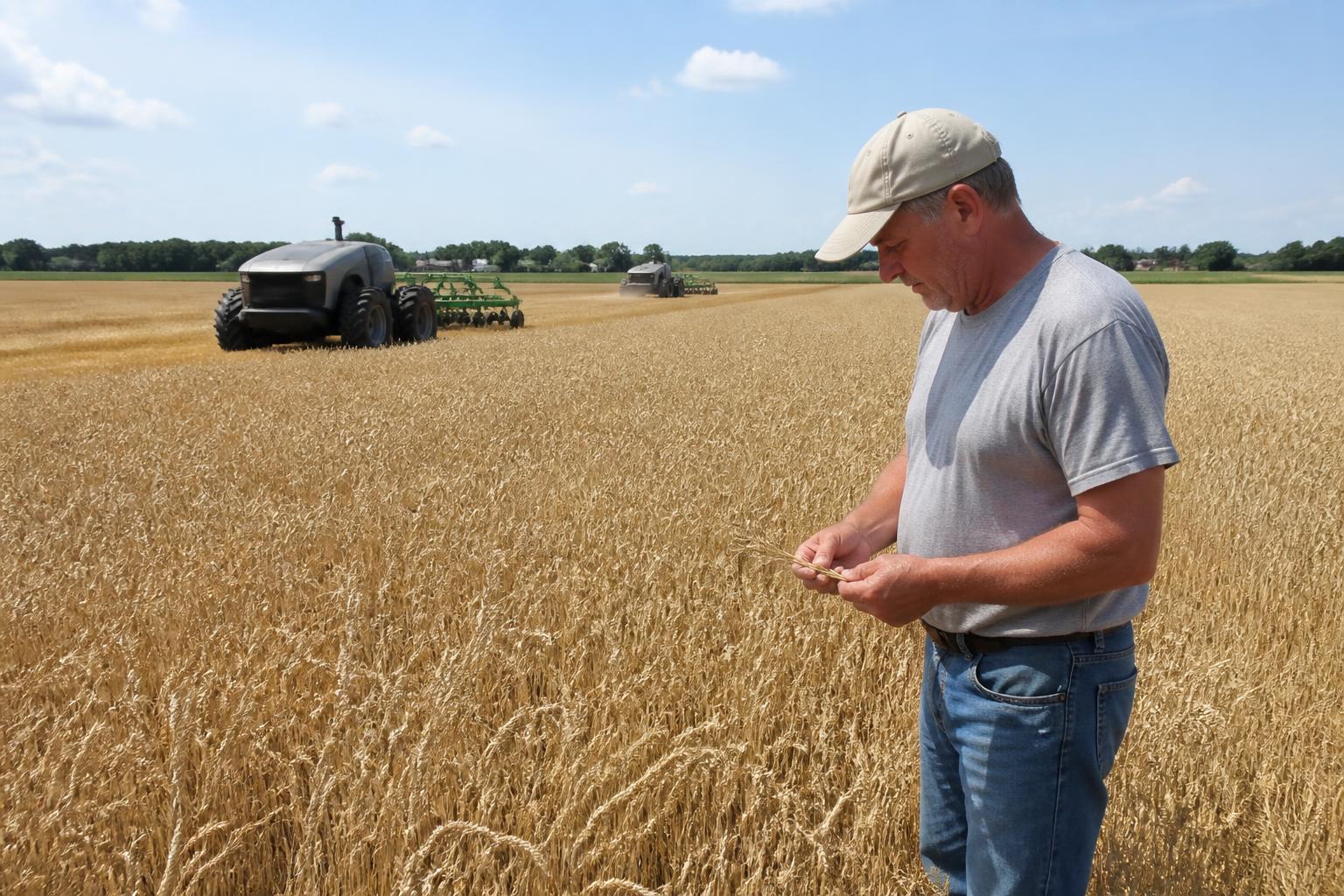
Technology continues to play a significant role in how Ohio farms approach modern pest management. With recent advancements in autonomous equipment and localized research from institutions like the The Ohio State University, producers are increasingly utilizing specialized tools for precise application. The introduction of new strip-till equipment and improved field sensors allows for more targeted interventions, helping to reduce chemical waste while maximizing the efficacy of protection measures. These tools are becoming increasingly important as farmers balance the need for efficient logistics with the urgency of safeguarding maturing crops.
Building Resilience in Ohio Agriculture
Beyond immediate pest threats, the broader agricultural community is focused on structural and policy-driven protection. From navigating the complexities of logistics and grain infrastructure to participating in key policy committees, Ohio farmers are actively shaping the environment in which they operate. Whether it is engaging with international trade teams or updating farm-level best practices, these efforts contribute to a more robust agricultural economy that can withstand seasonal volatility.
What it means for the market
For agribusinesses and grain handlers, the focus remains on the correlation between harvest speed and market pressure. As field protection efforts succeed, the resulting supply consistency will likely influence the pace at which grain moves through Ohio elevators. Staying informed on pest pressure trends and local application requirements allows stakeholders to better predict local demand for protection inputs and adjust their downstream logistics accordingly.
Comments
No comments yet - be the first to share your take.