
Navigating Global Trade Uncertainties
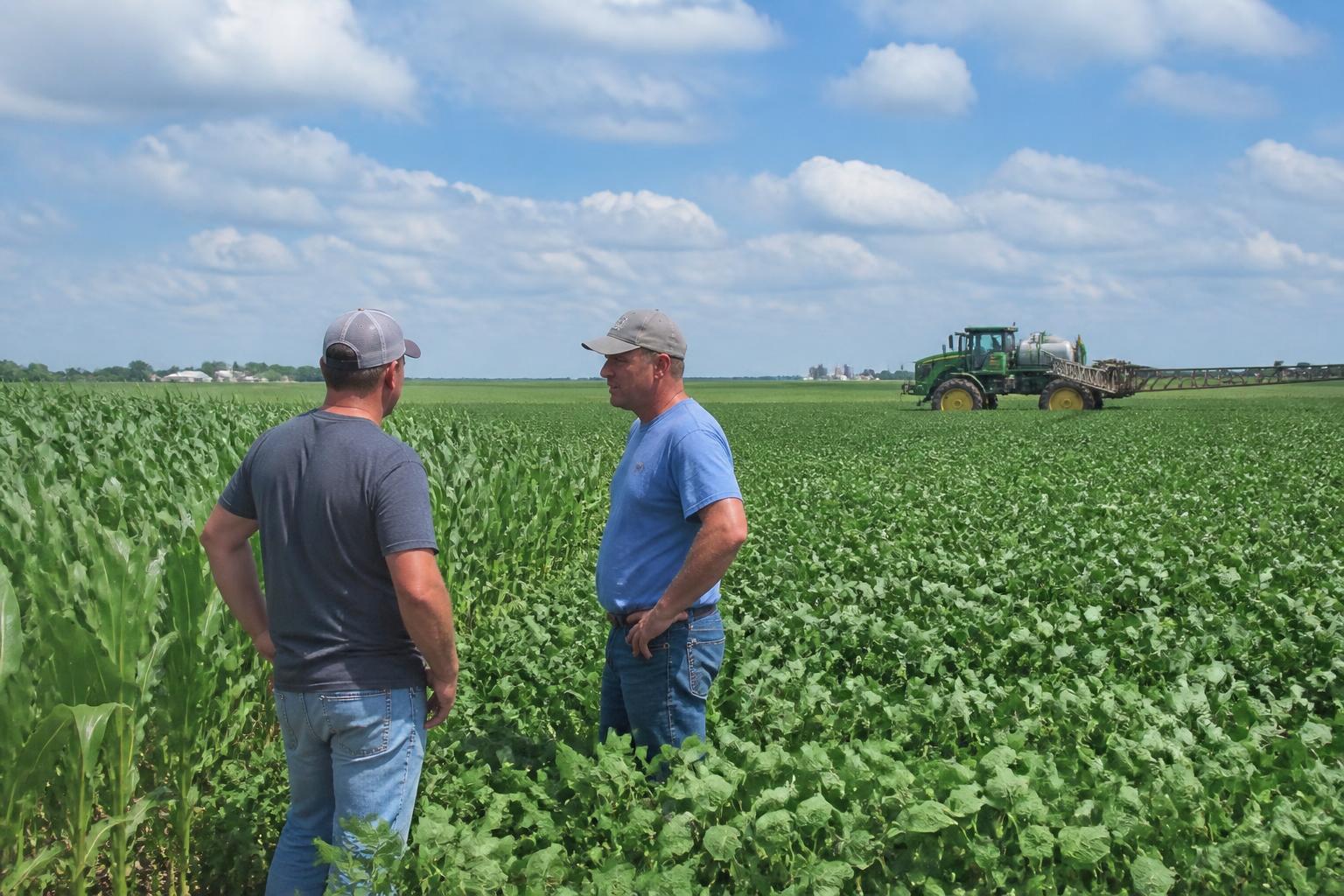
For agricultural producers across Washington, the summer months bring a sharp focus on how international trade dynamics impact domestic bottom lines. Recent legislative developments in trade pacts and broader policy discussions are being closely watched by growers from the Palouse to the Yakima Valley. While some producers remain cautious about the potential for future trade wars or shifted protections, many are currently balancing these macroeconomic concerns with the day-to-day realities of mid-summer field management.
Infrastructure and Logistics Resilience
The stability of the regional agricultural supply chain remains critical, particularly as growers prepare for upcoming harvest cycles. Understanding how Washington growers balance market pressures and infrastructure needs is essential for those managing grain storage, input logistics, and local transportation. With global competition increasing, the ability to maintain efficient transit routes—whether by rail or along key highway corridors connecting inland farms to coastal export hubs—often determines the final profitability of a crop season.
Looking Ahead to Harvest
As the state moves deeper into the summer, producers are keeping an eye on both local weather conditions and international demand signals. Agricultural resilience is increasingly tied to the ability to navigate these fluctuating global conditions. By focusing on efficient logistics and maintaining open communication with regional grain handlers and carriers, farmers can better position themselves to mitigate risks associated with market volatility.
Key Takeaways
- Monitoring trade policy developments remains vital for planning long-term agricultural investments.
- Regional supply chain stability helps protect growers against broader market disruptions.
- Proactive logistics management continues to be a strategic advantage for Washington agribusinesses.
What it means for the market: Producers and agribusinesses should maintain a flexible stance regarding supply chain logistics and trade exposure. As global economic conditions evolve, staying informed on regional infrastructure updates and international policy shifts will be key to navigating the remainder of the summer season effectively.
Comments
No comments yet - be the first to share your take.