
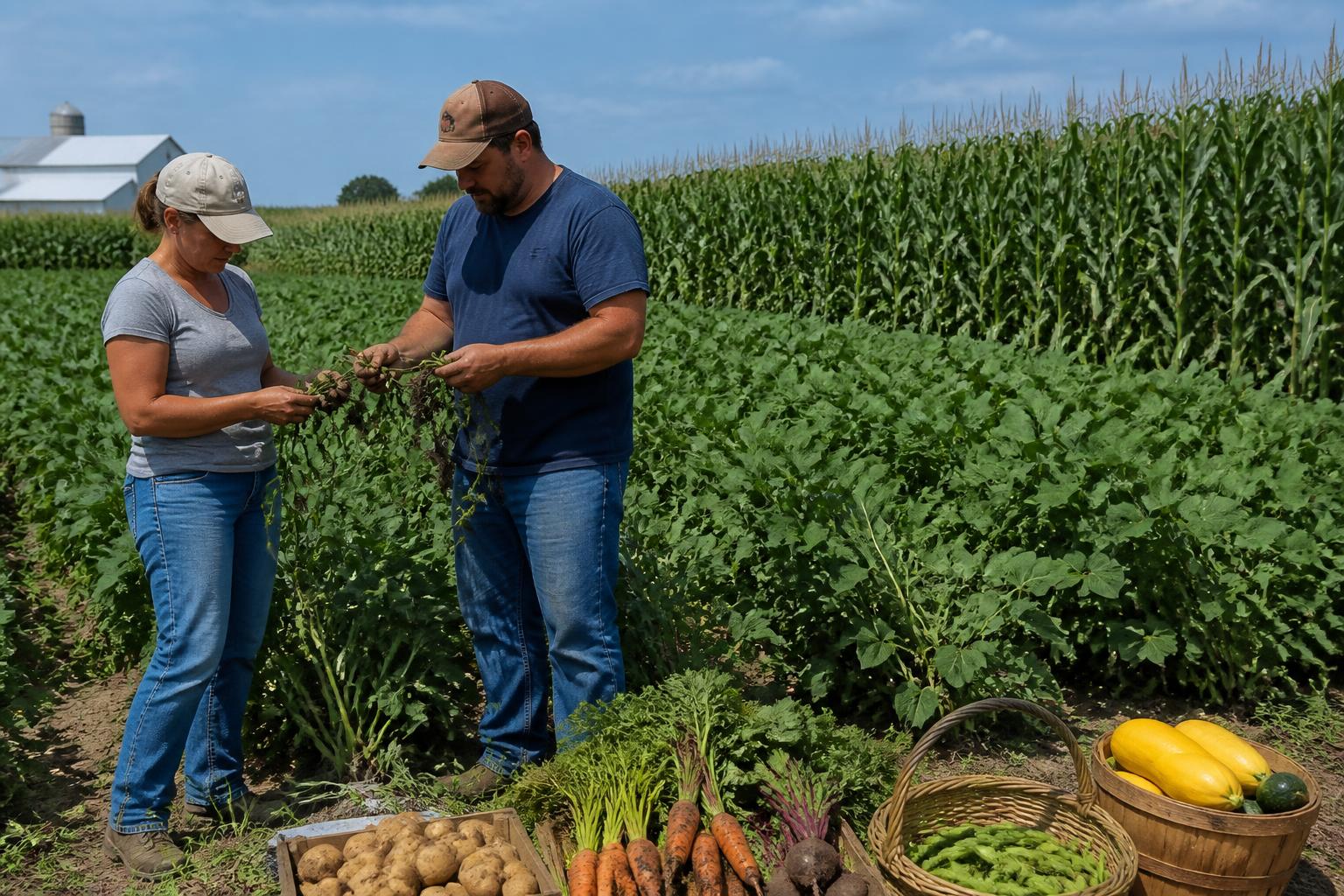
Operational Focus for Maine Grain Producers
As Maine agriculture moves through the peak of summer, producers across the state are focusing on optimizing field health and managing the logistical complexities of the growing season. Whether maintaining soil nutrition or addressing micro-nutrient needs, the current window is critical for ensuring crop quality before harvest cycles begin. For those deeply involved in Maine's evolving grain market, success often rests on a combination of precise field management and an acute awareness of regional logistics.
Building Resilience Through Diversification and Local Demand
Recent shifts in the industry highlight the growing importance of local supply chains. Many producers in the region are finding that tailoring their operations to meet rising consumer interest in specialty and organic crops can provide a buffer against broader commodity price volatility. This focus on niche markets is becoming a hallmark of the state's agricultural resilience. However, producers must remain vigilant; as noted in recent reports on rising input costs and operational hurdles, navigating these challenges requires a disciplined approach to both spending and yield maximization.
What it means for the market
For grain handlers and agribusinesses, the current climate reinforces the need for agility. With mid-summer field activities in full swing, monitoring moisture levels and crop development remains paramount. As the season progresses, market participants who prioritize supply chain transparency and regional partnerships are well-positioned to capitalize on the sustained demand for high-quality, locally sourced grains throughout Maine.
Comments
No comments yet - be the first to share your take.