
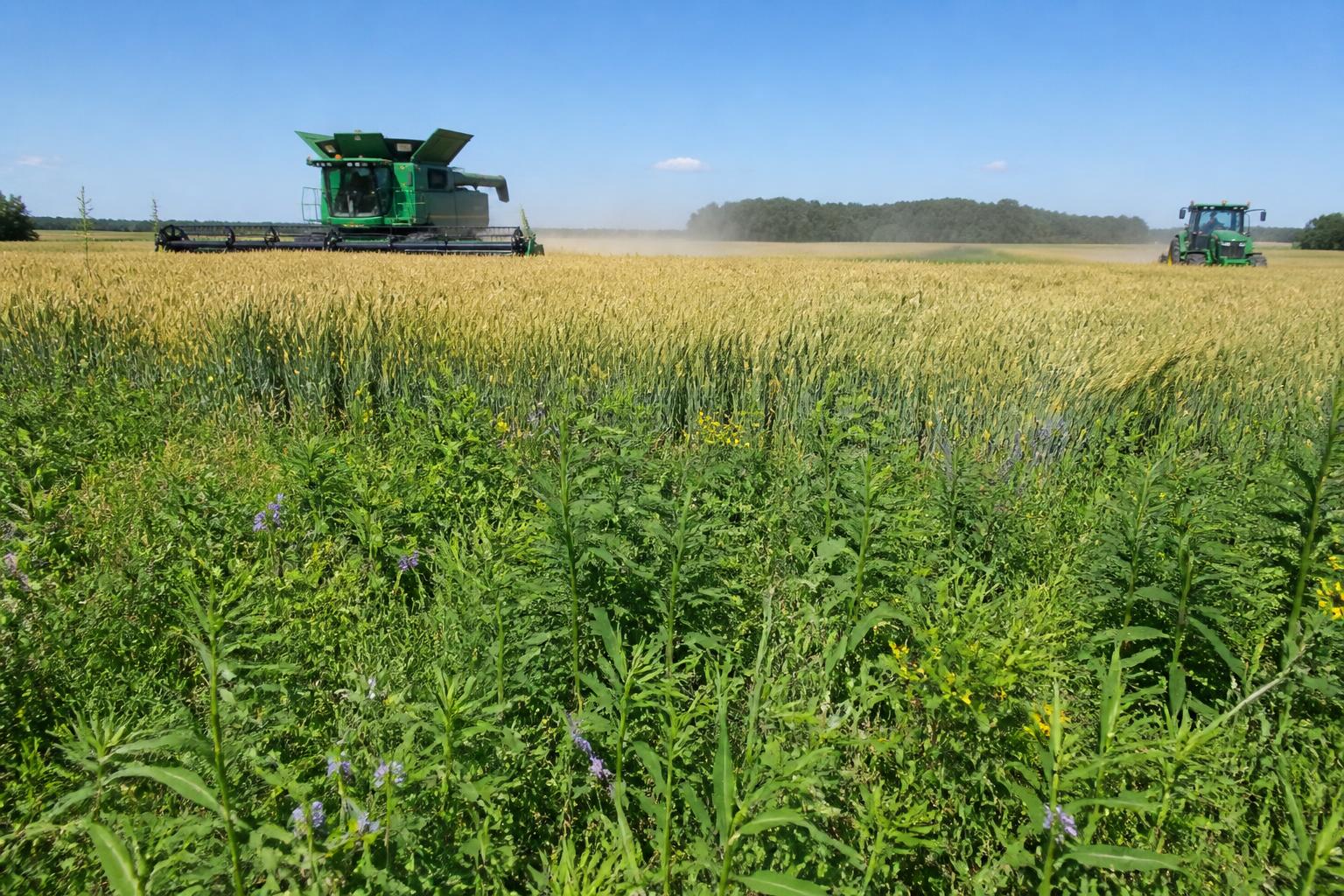
Minnesota producers are currently operating within a complex, shifting market environment. As we move through the summer months, the intersection of macroeconomic pressures and local agricultural policy continues to influence decision-making across the state. From the latest grain price trends to shifting environmental regulations, staying informed is critical for managing bottom-line margins effectively.
Managing Market Volatility and Risk
With global tensions occasionally influencing domestic sentiment, grain markets have remained sensitive to external shocks. For many farmers, the focus has shifted toward finding clear signals within the noise. Market experts often suggest that timing sales requires a disciplined approach, especially as uncertainty remains a defining feature of the current trading environment. Producers are encouraged to evaluate local grain market updates to better understand how regional supply and demand factors are interacting with national price floors.
Regulatory and Technical Shifts
Beyond the grain elevator, Minnesota's regulatory landscape is evolving. The state has recently released updated groundwater regulation maps, signaling a renewed focus on resource management that may impact long-term operational planning. Furthermore, the expansion of the Minnesota Department of Agriculture's weather data network provides a more granular look at local conditions, which can be invaluable for field-level decision-making during the remainder of the growing season.
Investment in Future Resiliency
Despite the challenges, there is a clear push toward innovation and long-term sustainability. Initiatives like the recent investment by Hormel Foods and Target in regenerative agriculture suggest that corporate interest in the state's production methods remains high. For those looking to optimize their financial position, upcoming educational opportunities, such as tax strategy courses hosted by the University of Minnesota Extension, can provide essential tools for navigating the financial complexities that define modern farming.
What it means for the market
Producers should expect a continued emphasis on efficiency and risk mitigation as the season progresses. By leveraging local weather data, staying current on policy changes, and refining logistical strategies for mid-summer crop management, operators can better position themselves to weather the current period of market volatility.
Comments
No comments yet - be the first to share your take.