
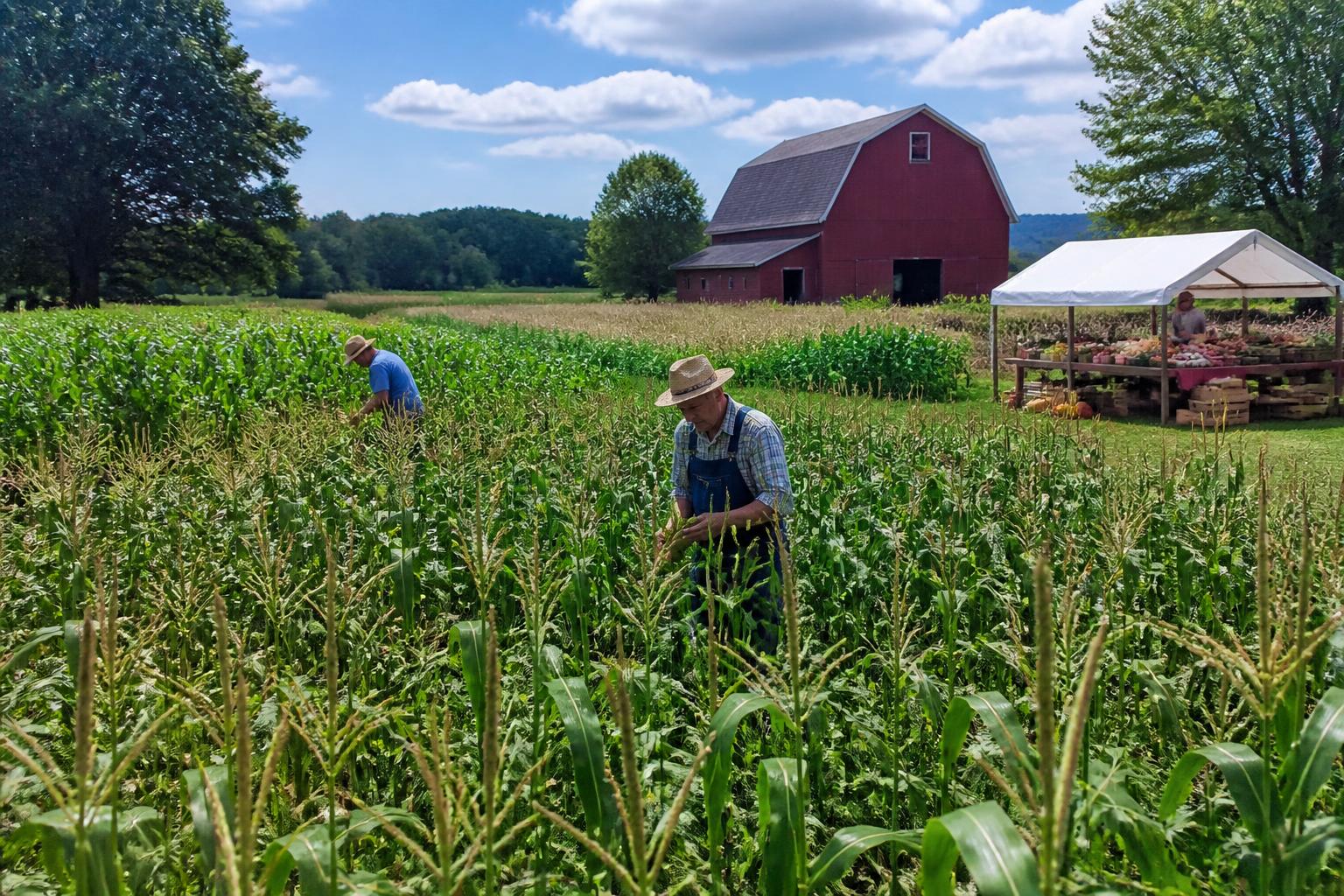
Mid-summer in New Hampshire marks a critical window for crop development. As corn and other grains progress, growers across the state are focusing on field management to ensure yield potential remains high despite fluctuating temperatures. For those managing grain storage or feed operations, this period often necessitates a shift toward monitoring supply chains and regional transport capacity.
Maintaining an efficient operation is more than just crop health; it is about infrastructure. In areas ranging from the Seacoast to the northern counties, farmers are increasingly looking at ways to streamline local distribution. Utilizing local grain market insights can help managers adapt to seasonal shifts in demand. Whether optimizing on-site storage or evaluating the logistics of moving bulk inventory, being proactive in mid-summer is key to avoiding bottlenecks during the upcoming harvest crunch.
Building Resilient Regional Systems
The broader agricultural landscape in New England is seeing a push toward regionalized support. With new initiatives like the Northeast Regional Food Business Center gaining momentum, there is a clear interest in fortifying the local supply chain. For grain handlers, this means paying closer attention to regional storage capabilities and the availability of feed resources for local livestock producers.
Many operators are also exploring strategies to minimize waste and improve delivery reliability. Reviewing summer crop management techniques allows producers to adjust feeding programs or sales schedules as mid-season reports provide more clarity on expected production volumes. Staying informed on these trends helps agribusinesses across the state remain competitive.
Expanding Market Access
Market connectivity remains a priority for New Hampshire producers. While regional demand continues to fluctuate, the availability of consistent, high-quality grain is a persistent driver of growth. Growers looking to maximize their seasonal efforts can explore local grain procurement options to better understand where their product fits into the state-wide ecosystem.
What it means for the market
The current market environment encourages a dual focus on field resilience and logistical foresight. As New Hampshire enters the second half of the summer, the primary benefit for producers lies in early planning. Those who establish strong regional connections and maintain a close watch on local market data are better positioned to mitigate transport risks and maximize the efficiency of their harvest operations.
Comments
No comments yet - be the first to share your take.