
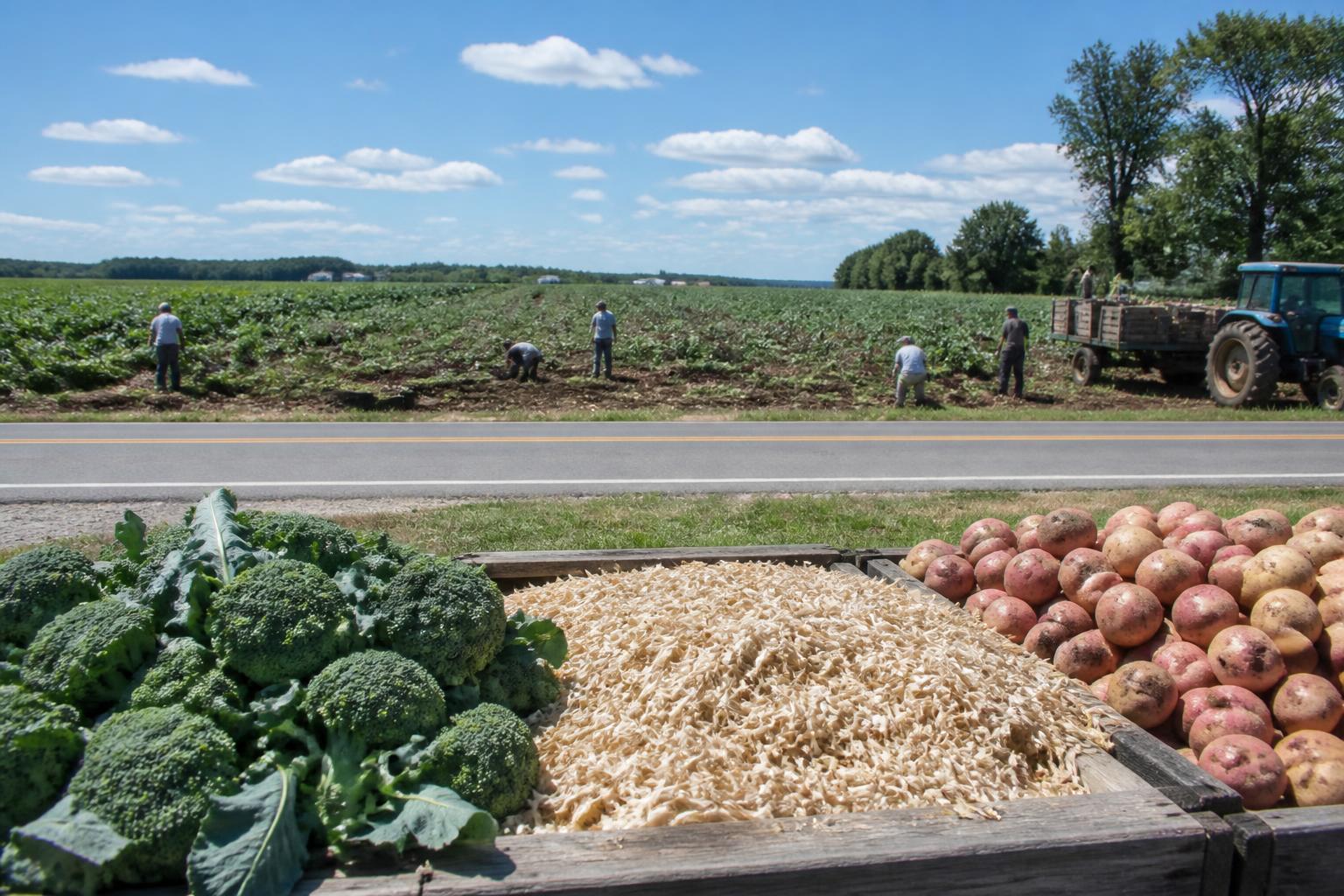
Maine agriculture remains in a period of active adjustment as the summer season progresses. Producers across the state are navigating a combination of environmental pressures and an increasing focus on sustainable soil management. From the expansive fields of Aroostook County to the diverse operations found in coastal regions, the agricultural community is working to stabilize output despite recent weather volatility that has tested regional yields.
As farmers refine their strategies for the current cycle, there is heightened interest in local innovation to address soil pathogens and nutrient health. Research initiatives exploring the application of organic materials, such as repurposed lobster shells, highlight the state's proactive approach to improving crop resilience. For those looking to optimize their operations, understanding the shifting dynamics of local distribution is critical to maintaining profitability. You can find more detail on these topics in our guide on how to sell grain in Maine.
Sustainable Soil Strategies and Regional Resilience
The focus on soil integrity is particularly relevant this season. Environmental conditions have historically influenced planting and harvest schedules in Maine, and current producers are increasingly adopting specialized amendments to combat long-term soil health issues. By integrating regional by-products into fertilization strategies, farmers may be able to hedge against the fluctuations in global supply chains that have occasionally disrupted input availability. These localized solutions are becoming a cornerstone for farms aiming to maintain consistent yields.
Operational Nuances for Maine Producers
Managing the intersection of land use and regulatory environment remains a priority for many agribusinesses. Whether operating through established roadside stands or looking to streamline logistics for larger harvests, efficiency is the primary driver of market stability. For producers navigating these operational hurdles, staying informed on current best practices is essential. Review our resources on how Maine grain producers navigate rising input costs and operational hurdles to better align with current market trends.
What it means for the market
For grain handlers and local input buyers, the current environment suggests a shift toward resilience-based planning. While seasonal variability in Maine often dictates immediate logistics, the long-term trend points toward a reliance on high-quality, regionally supported agricultural inputs. As the season matures, producers who prioritize soil health and local supply chain adaptability are better positioned to meet the steady demand for Maine-grown grains and produce. To keep your operation competitive, ensure your team is aligned with the latest strategies for navigating Maine grain markets amid summer field adjustments.
Comments
No comments yet - be the first to share your take.