
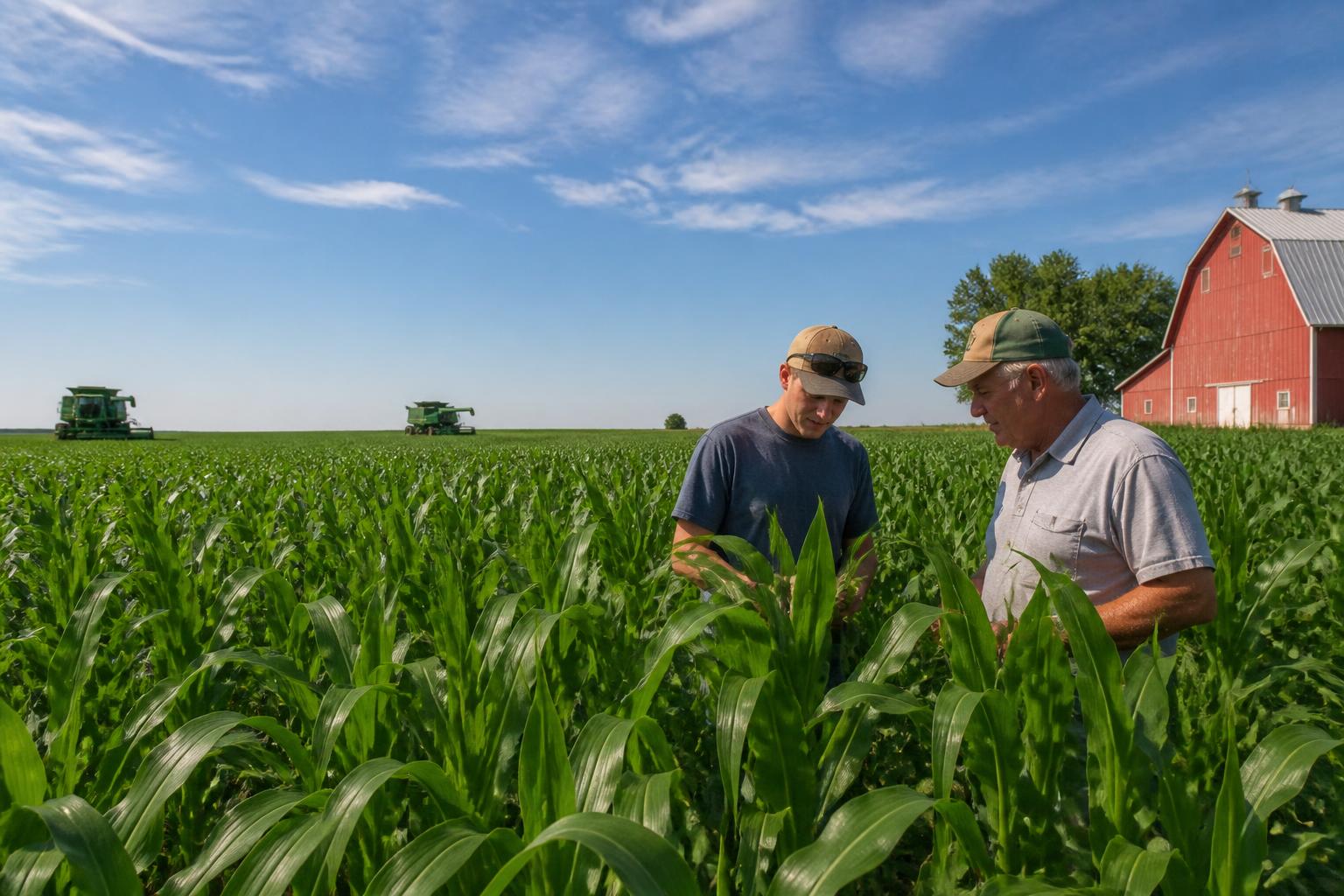
In Nebraska, agricultural markets are currently navigating a complex mix of seasonal weather challenges and evolving industry leadership. Producers are closely monitoring winter wheat development, as reports indicate ongoing pressure on crop conditions across several regions. For many growers, the focus has shifted toward refining management tactics, including variety selection and precision inputs, to help stabilize yields despite the cooling, wet weather patterns that have historically favored specific disease outbreaks in Nebraska corn and wheat fields.
Adapting to Evolving Market Dynamics
The local grain economy remains sensitive to broader trade fluctuations. Recent shifts in global trade relationships, particularly regarding international soybean demand, have left many farmers looking for ways to maximize the value of their stored grain and adjust long-term crop planning. As the state observes transitions within key agricultural organizations, producers are encouraged to re-evaluate their marketing options, ensuring that their hedging strategies account for these persistent, limited export pathways.
Strategic Planning for Nebraska Growers
Economic efficiency is top of mind for many as we move through the summer months. From reconsidering fertilizer application rates to analyzing the viability of on-farm storage solutions, the current market climate rewards proactive operational adjustments. While some producers have faced lower-than-expected wheat acreage, those continuing to prioritize high-performing varieties or intensive irrigation management report that success often comes down to precise field-level decisions made earlier in the season.
What it means for the market
For Nebraska agribusinesses and grain handlers, these conditions signal a need for flexible, risk-managed procurement strategies. With the unpredictability of both international trade and local field conditions, monitoring basis levels and staying informed on regional logistics will be critical as we head toward later summer operations.
Comments
No comments yet - be the first to share your take.