
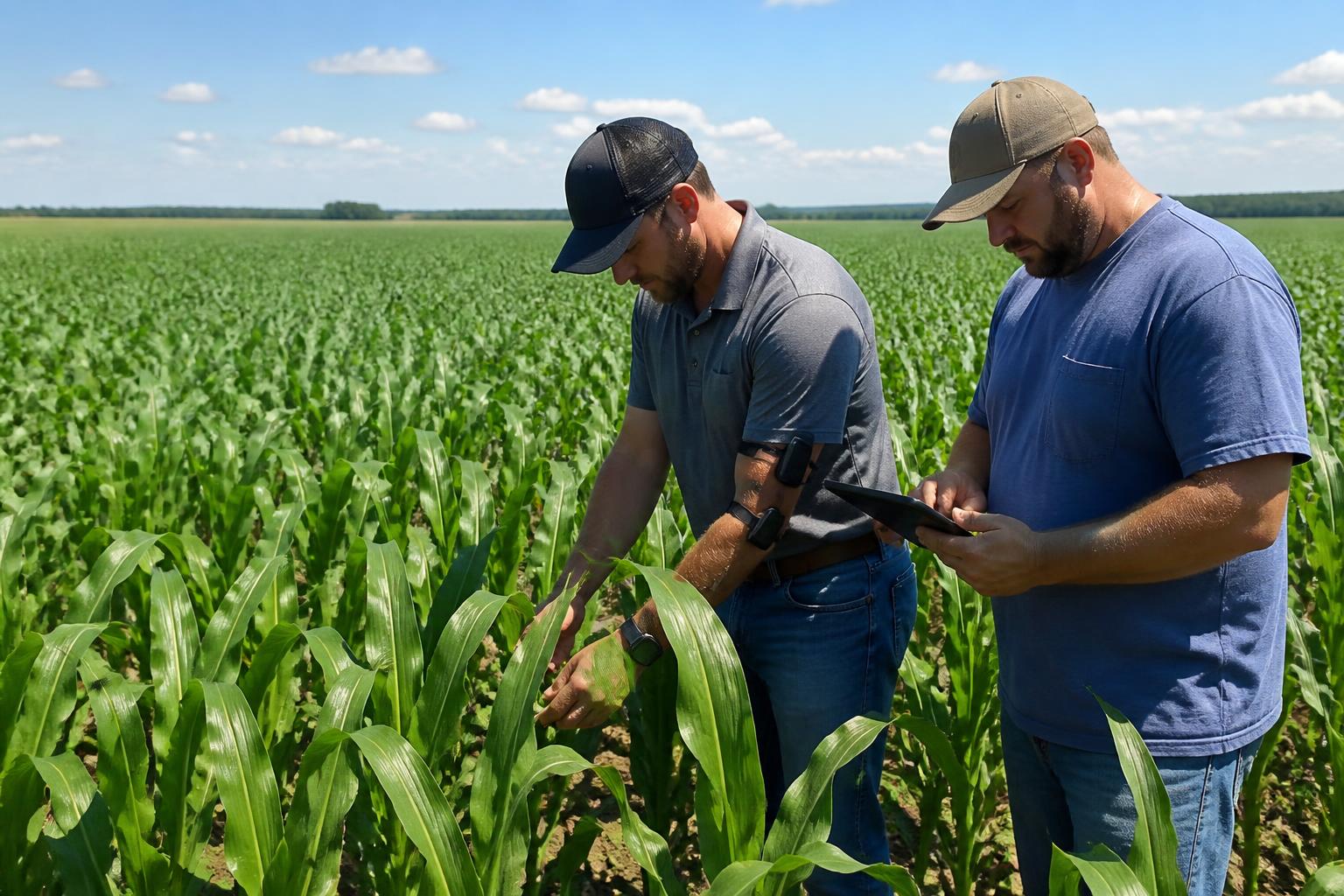
As mid-summer fieldwork accelerates across the Nebraska plains, producers are evaluating their storage and marketing strategies for the upcoming harvest cycle. With on-farm bin space remaining a primary concern for many operations, grain bagging has emerged as a practical, flexible solution for handling overflow and maintaining harvest momentum when elevators are at capacity.
The shift toward modular, on-farm storage solutions is often driven by the need to bypass logistical bottlenecks during peak delivery windows. By utilizing grain bags, farmers can effectively create temporary storage on-site, allowing for greater control over timing sales when basis levels or market conditions may improve. This approach is increasingly common among Nebraska operations aiming to optimize their local grain marketing and sales logistics.
Expanding Digital Tools for Producers
Beyond physical storage, the digital toolkit available to Nebraska growers continues to expand. New mobile applications designed specifically for tracking grain marketing plans are now becoming more accessible, allowing producers to integrate data-driven insights into their daily operations. These tools can simplify the complexities of forward contracting and hedging, providing a more structured approach to navigating market fluctuations.
For many, integrating these digital resources with sound physical storage plans is becoming a standard operating procedure. By managing the supply side through better storage and the sales side through real-time data, growers may find more consistency in a volatile global commodity environment. Understanding the broader context of regional logistics and market operational updates remains vital for those coordinating shipments along Nebraska's primary transport corridors.
Key Takeaways for Producers
- Consider bagging as a cost-effective hedge against limited commercial elevator space.
- Utilize updated mobile marketing tools to monitor price points and refine long-term sales strategies.
- Evaluate on-farm storage capacity early before the late-summer rush intensifies.
What it means for the market: The combination of increased on-farm storage flexibility and better data access empowers Nebraska producers to avoid the "forced sell" scenario often seen when commercial infrastructure is overwhelmed. By diversifying how and where grain is held, growers are better positioned to respond to international demand signals without sacrificing their bottom line.
Comments
No comments yet - be the first to share your take.