
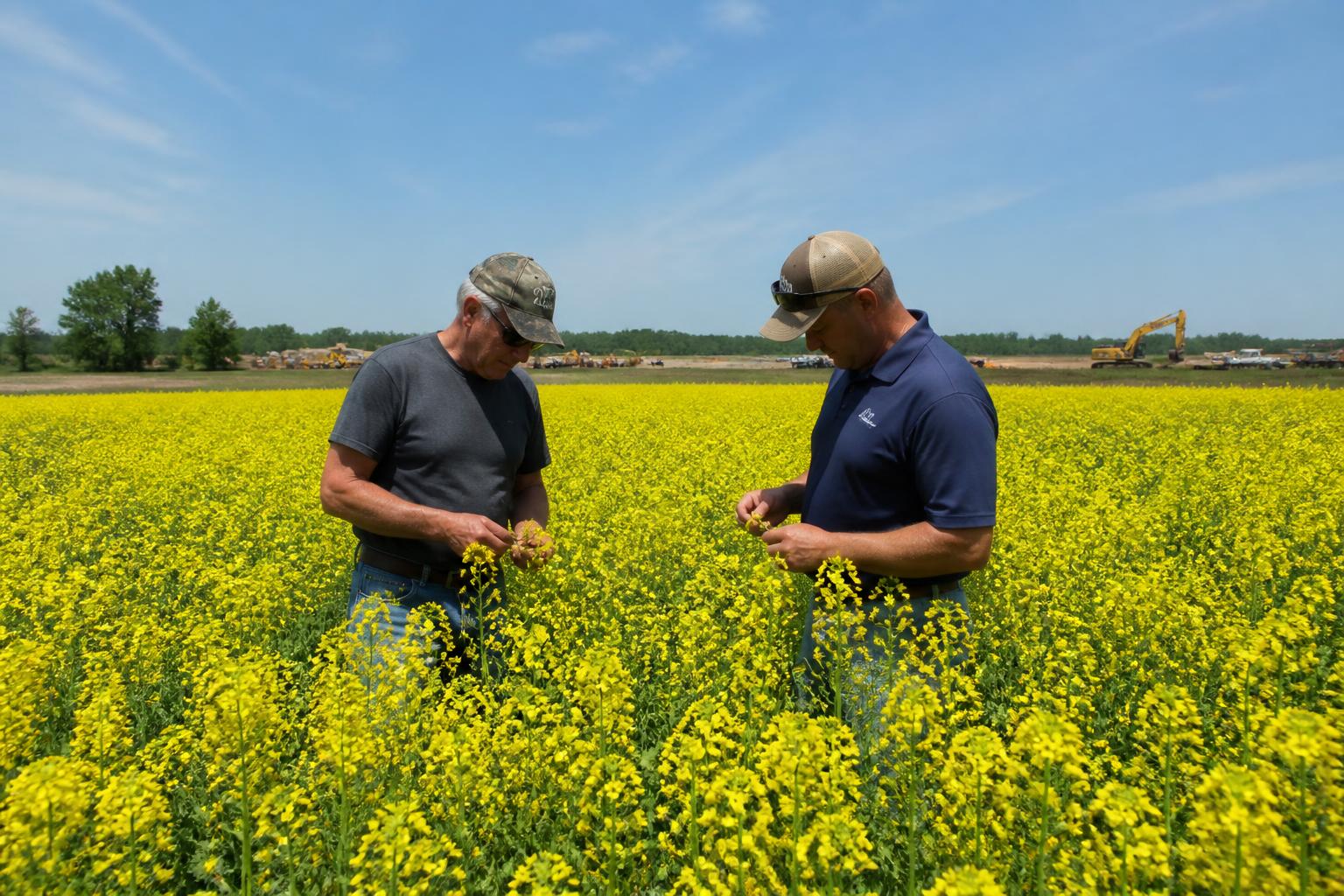
Mid-summer in Tennessee brings a unique blend of operational challenges and strategic shifts for local growers. With temperatures pushing crop development across the state, from the fertile soils of the Mississippi Delta to the rolling fields of the Cumberland Plateau, producers are navigating a season defined by both expansion and external market pressures. Recent data indicates a rise in local canola acreage, signaling a diversification in planting strategies aimed at capturing new demand.
Operational efficiency remains a focal point for agribusinesses as they balance field management with broader logistics concerns. Strengthening supply chain resilience is more vital than ever, especially as producers look toward international outlets to bolster long-term profitability. Collaborative efforts to align Tennessee grain outlooks with global trade initiatives continue to open new doors for corn and soybean producers, providing a necessary hedge against domestic price volatility.
Managing Field Pressures and Logistics
The current growing environment demands rigorous attention to both crop health and field biosecurity. Agriculture officials are actively managing the potential spread of invasive species, such as the spotted lanternfly, which could threaten both yields and export compliance if left unmonitored. For growers, keeping a close watch on field boundaries and equipment sanitation is a critical part of maintaining market access this year.
Furthermore, while the state is building its international footprint, logistics networks remain sensitive to regional infrastructure health. Ensuring reliable transportation paths from rural elevators to key processing centers continues to be a cornerstone of regional profitability. As producers integrate new crop varieties and expand their operations, many are finding that staying ahead of logistical bottlenecks is just as important as monitoring Tennessee grain market fluctuations.
What it means for the market
For Tennessee agribusinesses, the current climate is a test of adaptability. The combination of increased oilseed production and a concerted push into export markets suggests a more globally integrated future for the state's agriculture. While seasonal heat and logistical hurdles persist, producers who prioritize efficient input management and stay engaged with regional export initiatives are better positioned to weather short-term instability and leverage long-term growth opportunities.
Comments
No comments yet - be the first to share your take.