
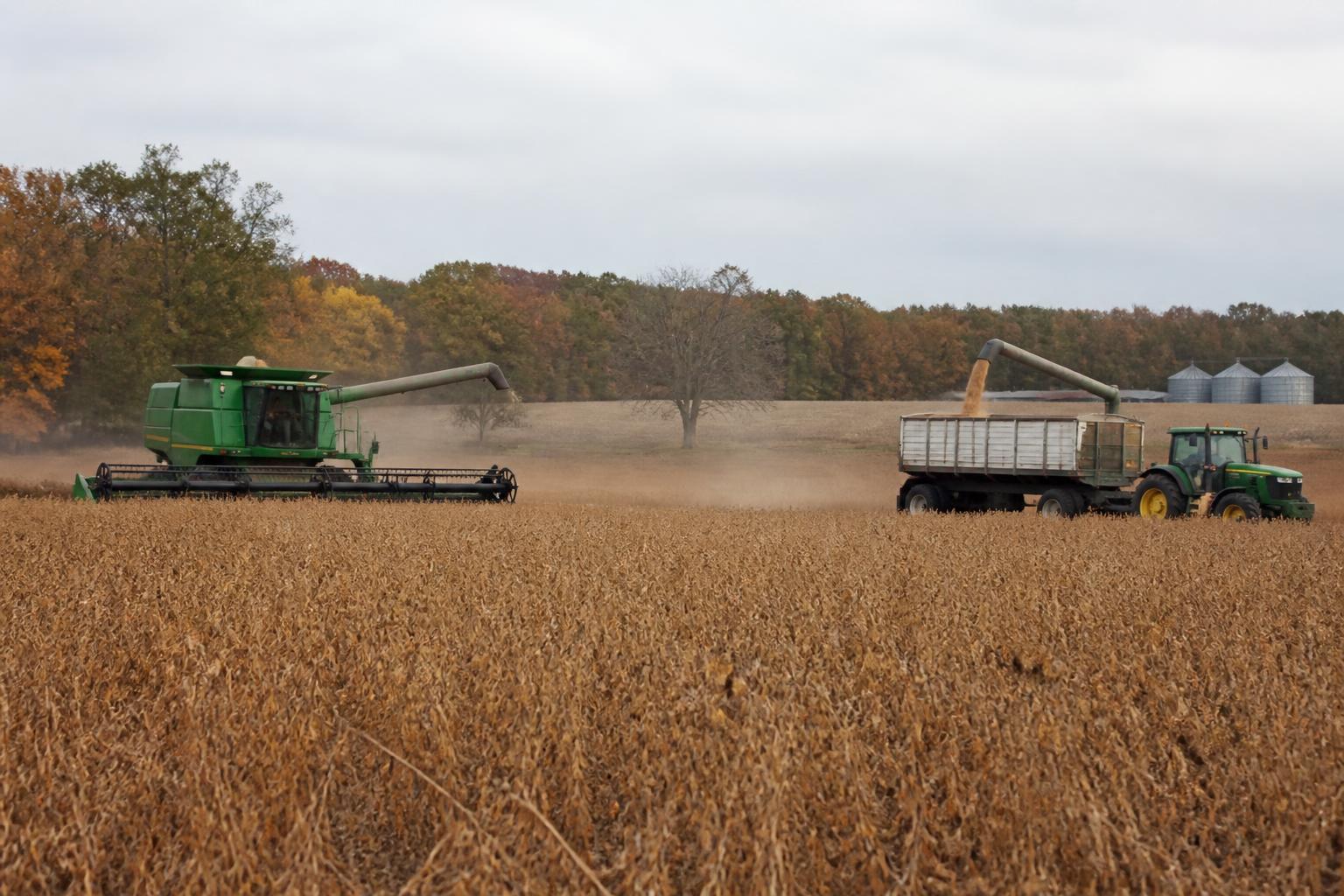
As the fall harvest momentum builds across South Carolina, farmers in regions from the Upstate to the Lowcountry are focusing on efficient grain management. With global economic pressures keeping fertilizer and input costs volatile, many producers are looking toward maximizing the value of their crop through strategic storage decisions. Utilizing on-farm storage is increasingly seen as a vital tool for maintaining operational flexibility, allowing growers to avoid the immediate rush at local elevators and mitigate the impact of seasonal transport backlogs.
Optimizing Flow in a Tight Market
The logistics of moving this year's harvest remain sensitive to regional constraints. As seen in earlier logistical challenges, the ability to store grain on-site provides a critical buffer against transportation delays. This is particularly relevant for those coordinating movement toward major hubs or port facilities, where container and truck availability can fluctuate rapidly throughout the autumn months. By controlling the flow of product into the market, operators can better align their shipments with peak carrier availability, potentially reducing wait times and improving overall transport efficiency.
Strategic Planning for the Season Ahead
In addition to storage, regional producers are monitoring long-term crop projections, with some analysts noting the potential for increased soybean and cotton acreage in coming seasons. This shifting landscape requires a proactive approach to infrastructure. Growers are finding that integrating modern logistical planning into their annual cycle is no longer optional, but a standard component of managing modern farm financial health. Whether it is assessing current grain handling systems or evaluating new technology for field efficiency, the emphasis remains on minimizing unnecessary overhead during the busiest window of the year.
What it means for the market: For grain handlers and transport providers in South Carolina, this trend suggests a continued focus on staggered intake and improved coordination with on-farm operations. Producers who prioritize efficient storage and scheduling will likely be better positioned to navigate the seasonal pricing and logistical pressures typical of the South Carolina fall harvest.
Comments
No comments yet - be the first to share your take.