
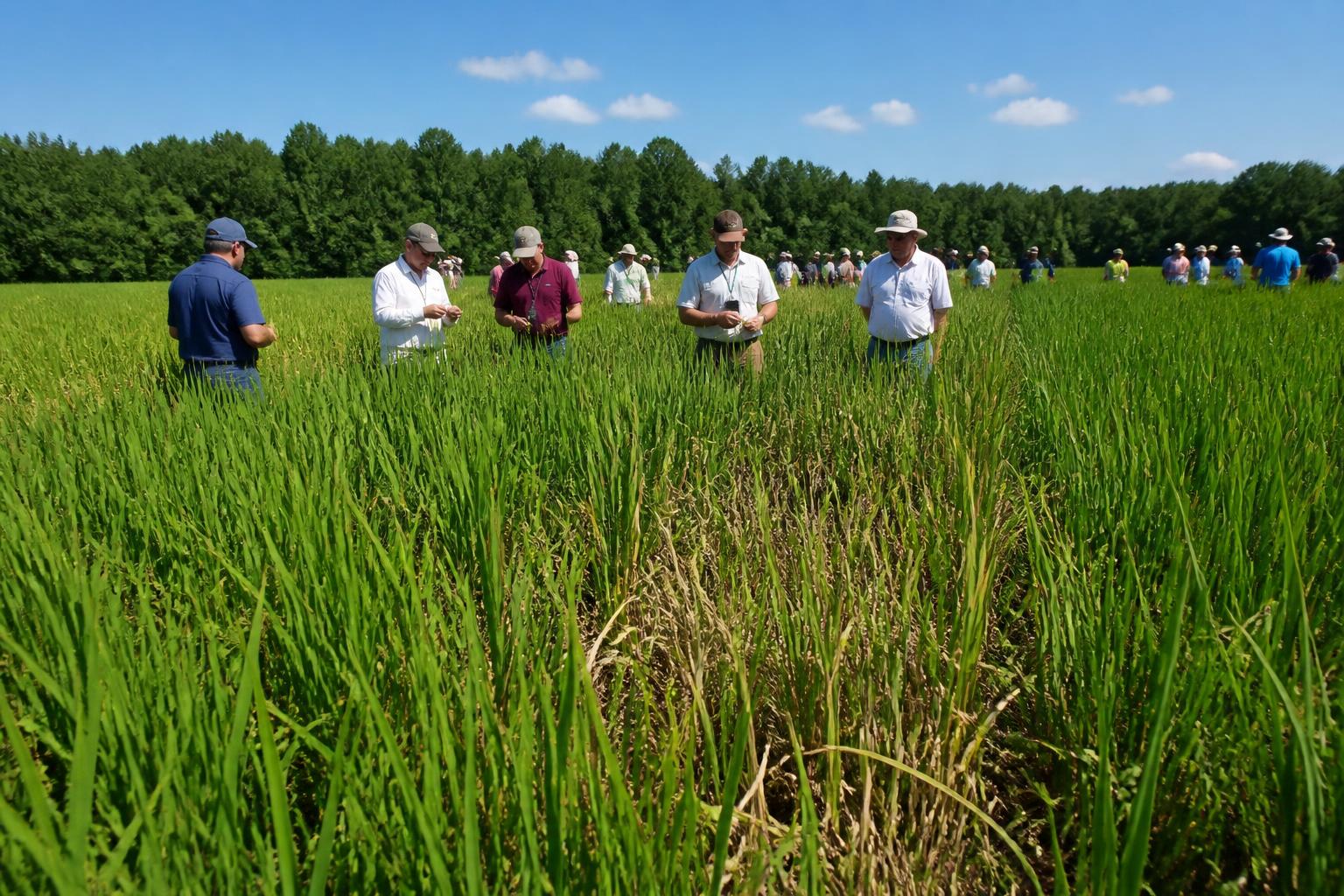
Mid-summer in Arkansas presents a critical window for producers, with field activity ramping up as crops reach key growth stages. With temperatures holding steady and the season in full swing, agricultural professionals are keeping a close watch on disease management, particularly as moisture levels influence crop health. Reports indicate that rice sheath blight remains a primary concern for growers this season, necessitating proactive scouting and timely intervention to protect yield potential.
Technical expertise and local data continue to play a pivotal role in these efforts. The focus on integrated pest management is becoming increasingly vital as the state looks to refine its approach to chemical stewardship and pest suppression. For many, this involves balancing input costs with the necessity of maintaining robust crop protection programs, a challenge often complicated by shifting commodity prices.
Navigating Economic and Operational Challenges
Beyond the field, the broader economic landscape remains top of mind. Producers are contending with tightened margins, prompting a shift toward operational efficiency and innovation. From optimizing yield outcomes amidst variable weather patterns to exploring new strategies for input procurement, the industry is adapting to a period of heightened market sensitivity. These efforts are supported by ongoing research and educational outreach, including upcoming field days designed to connect growers with the latest in agronomic advancements.
Logistical and regulatory considerations also form a significant part of the current picture. Recent discussions have underscored the importance of securing reliable supply chains and navigating the complexities of land ownership and regional infrastructure. As the state maintains its focus on sustaining its competitive edge in both domestic and international markets, the ability to pivot and integrate new management practices remains a key determinant of success for Arkansas agribusinesses.
What it means for the market
For grain handlers, carriers, and input suppliers, the next several weeks will be defined by the intersection of crop health and price volatility. With disease pressure impacting crop management decisions, demand for specialized inputs may fluctuate. Stakeholders should monitor local yield projections closely, as the performance of the state's rice and soybean crops will ultimately set the tone for the upcoming harvest season and downstream logistics requirements.
Comments
No comments yet - be the first to share your take.