
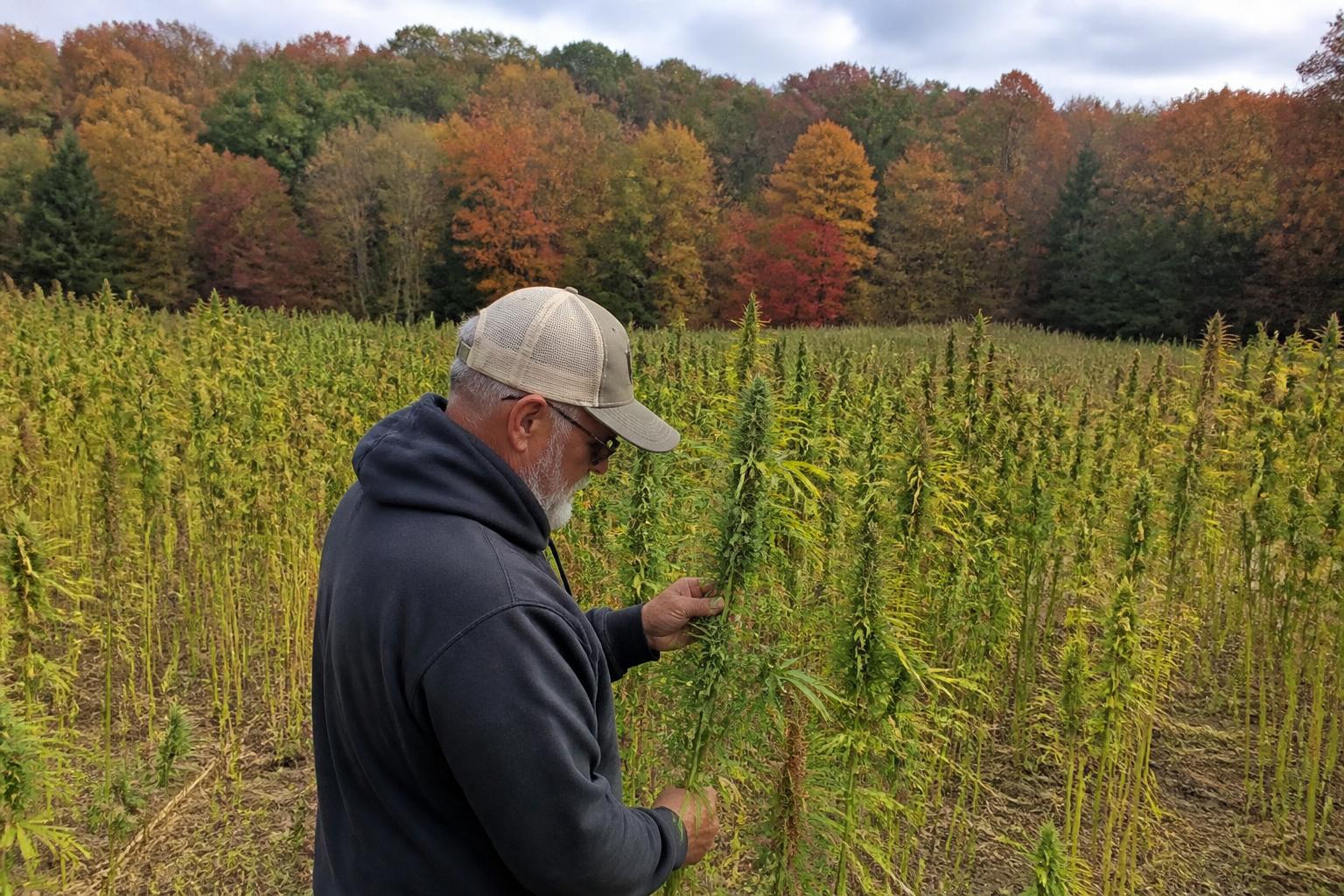
As the fall harvest progresses across Texas, producers are navigating a complex landscape defined by both environmental hurdles and shifting economic realities. Recent weather patterns have introduced unpredictability into the field, with periods of heavy rain in certain regions complicating moisture management and delaying essential fieldwork. This moisture, while beneficial for long-term soil health, often creates immediate logistical bottlenecks that require nimble decision-making at the elevator and on the farm.
For those managing these seasonal fluctuations, understanding the interplay between localized transport hurdles and broader market trends remains critical. Effectively navigating fall harvest transport challenges is a top priority for growers looking to maximize output before winter sets in. Meanwhile, the ongoing pressure from narrow margins, particularly in corn production, continues to influence planning for the coming seasons as stakeholders weigh input costs against volatile commodity prices.
Research and Innovation in the Field
Beyond the immediate harvest, Texas remains a hub for agricultural advancement aimed at long-term resilience. Researchers at Texas A&M are making notable progress in addressing plant pathogens, a move that could significantly reduce crop losses in future cycles. Furthermore, the development of public germplasm collections for alternative crops like hemp is providing new avenues for diversification. These scientific gains are essential as farmers evaluate crop performance and input volatility to stabilize their bottom lines.
Strategic Risk Management
In this high-stakes climate, financial and operational oversight has never been more important. With recent administrative updates regarding state-level grant eligibility, agribusinesses are encouraged to review their internal structures to ensure continued access to vital funding resources. Integrating modern revenue protection tools is now a standard practice for operations aiming to buffer against the systemic risks inherent in modern grain production.
What it means for the market
The current Texas grain market is defined by a need for efficiency. Between managing wet conditions in the field and optimizing logistics to avoid transit delays, margins remain thin. Success in this environment will likely favor operations that leverage technical research, prioritize precise crop risk management, and stay ahead of the logistical shifts occurring throughout the state's major agricultural corridors.
Comments
No comments yet - be the first to share your take.