
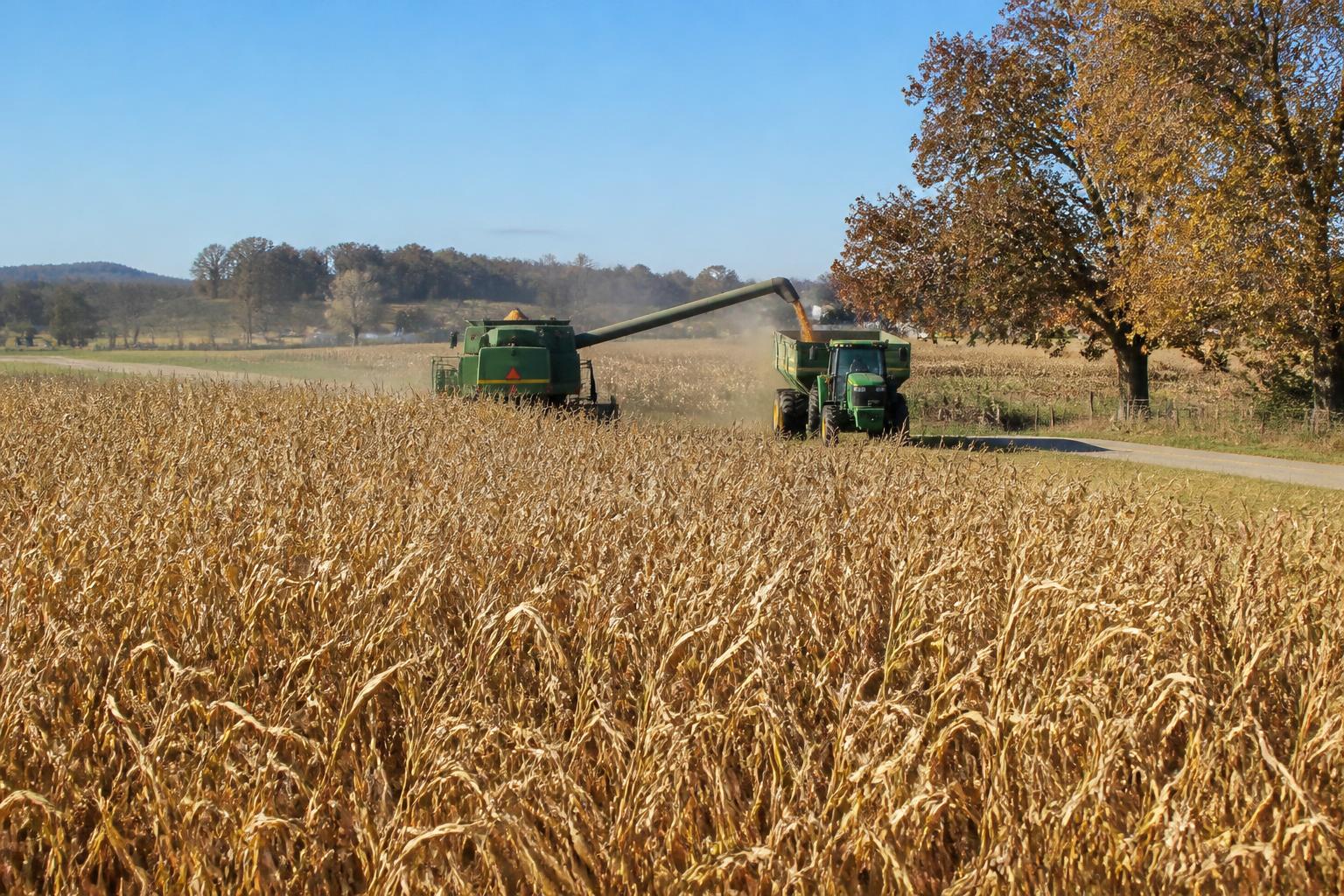
As Tennessee agriculture moves deeper into the fall season, farmers are evaluating the progress of their corn and soybean crops. Recent reporting indicates that a significant majority of these staples currently hold good to excellent condition ratings, suggesting that many producers may see stable output as they finalize their harvest operations. For those managing grain storage, keeping an eye on these late-season field metrics is crucial for determining drying needs and inventory space.
Managing Assets and Field Integrity
Protecting the investment made throughout the planting and growing season remains the top priority for Tennessee growers. With crops in strong condition, focus often shifts to harvest efficiency and securing equipment against the elements. Ensuring that grain handling systems are operating at peak capacity can minimize losses during this critical window. As logistics corridors throughout the state become busier, local agribusinesses should prioritize proactive equipment maintenance to mitigate downtime.
Strategic Planning for the Next Cycle
While the focus is currently on the field, proactive farmers are already looking toward the next production season. Efficient fertilizer planning and resource allocation during these months can significantly influence the bottom line for the coming spring. By leveraging the remainder of the fall for site assessments and soil management, operations can better position themselves against potential input cost pressures.
What it means for the market
The high percentage of crops rated good to excellent provides a sense of stability for the regional grain market. For carriers, elevators, and farmers, this indicates a steady, consistent flow of volume that requires coordinated logistical support. Producers who have maintained high-quality yields are well-positioned to navigate potential market volatility, provided they remain diligent about harvest-time protection and infrastructure utilization.
Comments
No comments yet - be the first to share your take.