
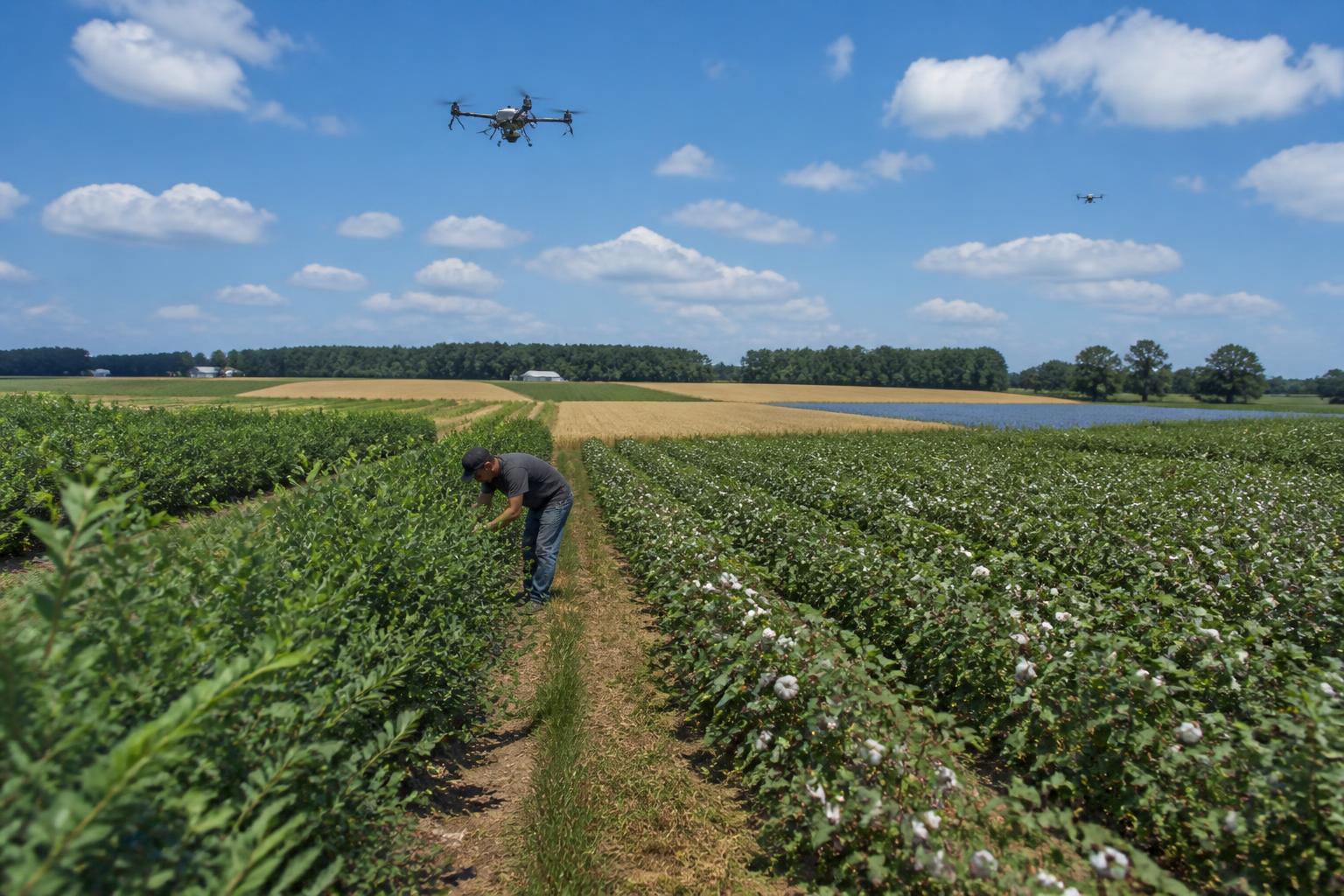
North Carolina producers are currently managing a complex mid-summer landscape, where localized weather events often dictate the pace of field activities. As growers monitor coastal conditions, the necessity of maintaining robust crop defenses remains a top priority. In many regions, the focus has shifted toward refining management practices to address evolving pest pressures and optimizing rotation strategies to stabilize yields.
Adapting to Shifting Operational Realities
The agricultural sector in North Carolina is seeing notable activity in both technical research and logistical integration. Recent expansions in the Research Triangle Park area underscore a sustained focus on advanced crop solutions, which may provide future benefits for localized pest management and soil health. As producers navigate these changes, many are evaluating the long-term potential of diversifying their rotations to include crops like malting barley or canola, which can offer new pathways to market stability.
For those managing logistical workflows, keeping a close watch on regional transit conditions is essential. Reliable data remains a pillar for efficiency, especially as mid-summer transit trends for agribusiness continue to influence how products move from farm gate to processor. Whether addressing the spread of nematodes or preparing for potential storm-related disruptions, the ability to pivot operations based on real-time field data is increasingly vital.
Focusing on Infrastructure and Sustainability
Beyond the field, the conversation around agricultural legislation and resource management continues to evolve. Growers are increasingly involved in dialogues regarding state-level pesticide restrictions and the integration of precision technologies. Furthermore, as the industry explores the implications of land usage shifts, staying informed on infrastructure expansions can help identify potential relief points for strained supply chains.
Producers should also note that advancements in digital tools, such as drone-based surveying and soil monitoring, are becoming more accessible. These tools offer a practical way to manage large acreage, though they require careful integration into existing workflows to ensure maximum ROI during high-stress summer months. Understanding these logistical and supply chain considerations is key for maintaining competitive standing as the season progresses.
What it means for the market
The current environment in North Carolina highlights a clear trend: the intersection of high-tech research and traditional, on-farm adaptation is moving faster than ever. For farmers and agribusinesses, the primary market signal is the need for enhanced agility. While weather risks will always pose a variable, the increasing availability of data-driven infrastructure and diversified crop options provides a foundation for more resilient operations. Those who successfully blend these new management strategies with careful logistics planning will likely be best positioned to handle the inherent volatility of the summer harvest cycle.
Comments
No comments yet - be the first to share your take.