
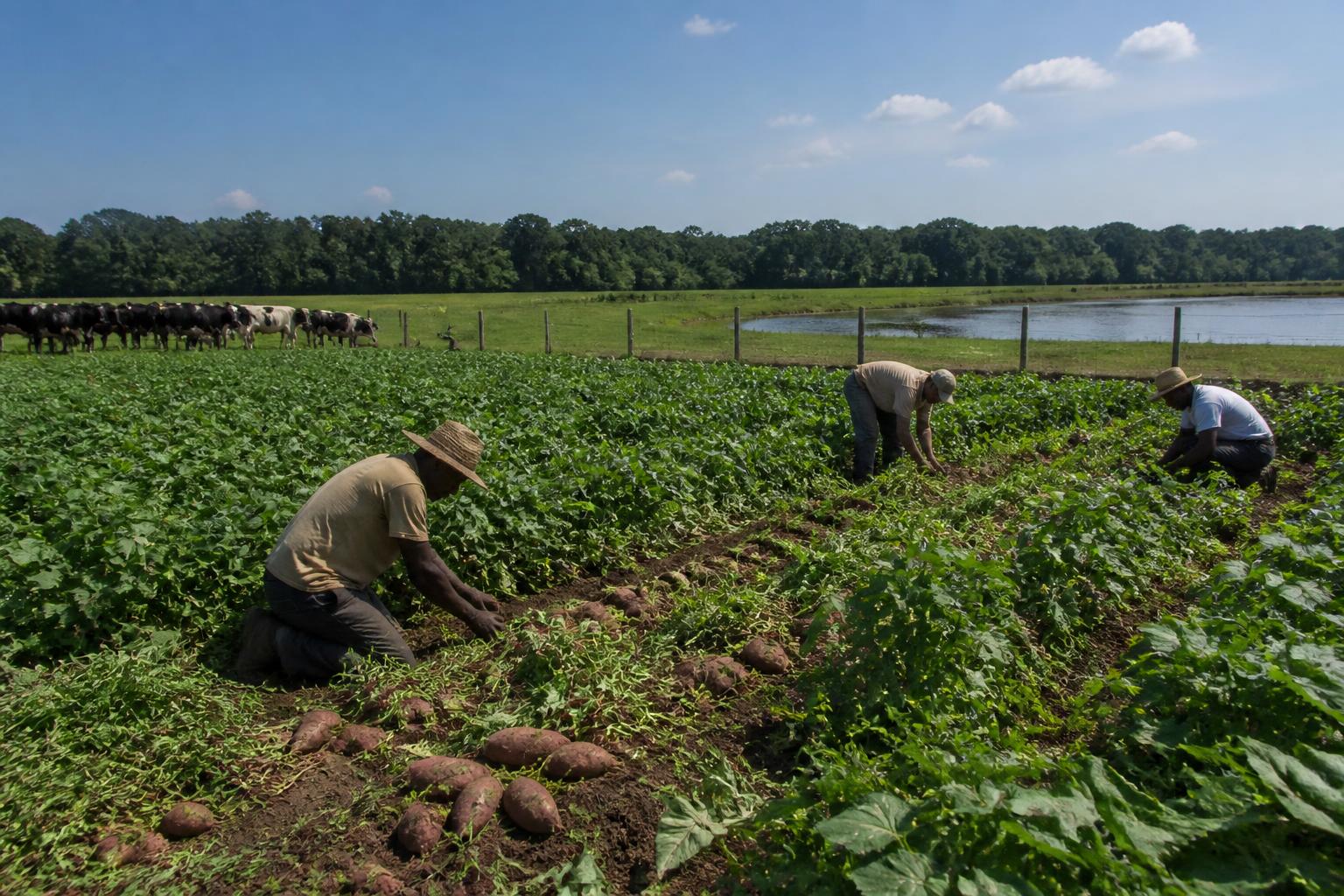
North Carolina producers are facing a uniquely challenging summer, as high input costs continue to pressure farm margins across the state. With volatility in global fertilizer markets and unpredictable weather patterns, agribusinesses are increasingly prioritizing supply chain resilience to protect bottom lines. In the face of these pressures, targeted expansions in local processing and cold storage facilities are emerging as critical pillars for maintaining profitability.
Bolstering Local Storage and Processing
Strategic investments in regional infrastructure, such as new cold storage warehouses, are beginning to shift the logistical landscape for growers. By increasing storage capacity, producers may find more flexibility in timing their market entry, helping to mitigate the immediate impacts of supply chain bottlenecks. This development is particularly vital for those managing perishable commodities who often struggle with transit-related losses during peak summer heat. For more on navigating these challenges, see our latest coverage on logistical resilience.
Adapting to Input Market Volatility
The lingering effects of global conflict on fertilizer availability remain a primary concern for North Carolina operations, forcing many to tighten operational budgets. Efficiency has become the standard for surviving this period of high overhead. Research into alternative nutrient sources, such as exploring the potential of hog waste lagoons, is gaining traction as a way to potentially lower reliance on external inputs. Producers balancing these costs should keep a close eye on grain market trends as they look for ways to optimize their logistical path to market.
What it means for the market
For the North Carolina agribusiness sector, the trend toward localized processing and improved storage represents a necessary transition toward independence from broader, more unstable supply chains. While global factors like drought and geopolitical tensions continue to exert pressure, the integration of new capacity will likely provide a buffer, allowing farmers to better manage the timing of their sales and input purchases to defend their margins through the remainder of the season.
Comments
No comments yet - be the first to share your take.