
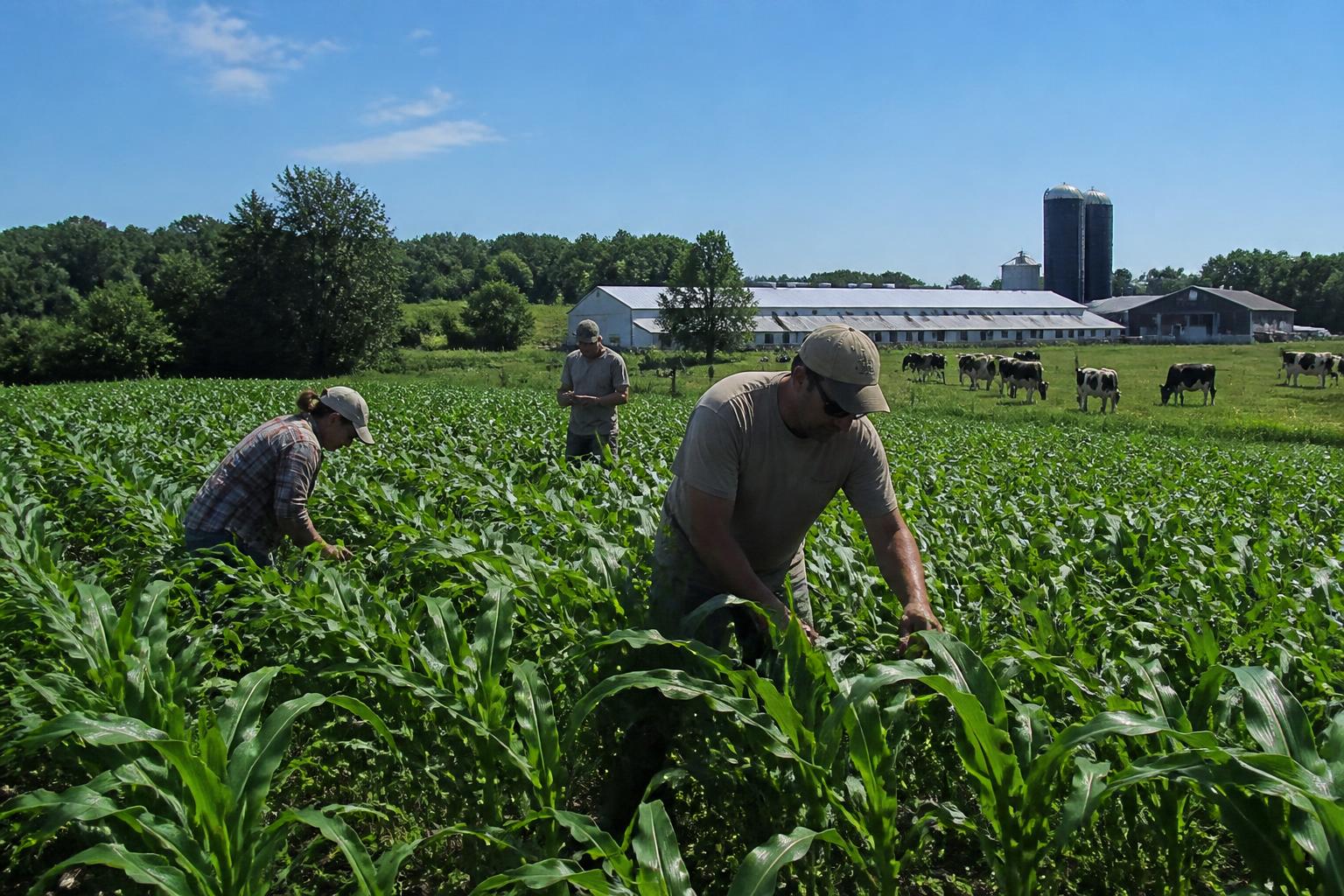
Connecticut agriculture is currently in the thick of the mid-summer growth cycle, with producers monitoring a mix of shifting market signals and localized field management needs. Recent data reflects a positive trend in regional corn prices, offering some encouragement as growers navigate a season defined by resilience and strategic adaptation. Understanding these grain market dynamics remains essential for local elevators and farm managers looking to optimize their mid-season positions.
Beyond the ticker, the day-to-day reality for Connecticut farmers involves managing intensifying field pressures. As crops move toward maturity, the focus shifts toward protecting yield potential against emerging environmental threats. Effective field management strategies during this period can often determine the success of the harvest, particularly as producers balance fertilizer availability and logistical overheads in a fluctuating global landscape.
Managing Seasonal Inputs and Field Health
The current season demands careful attention to both soil health and protective measures. Growers are encouraged to stay ahead of potential pest outbreaks that typically emerge during the heat of late summer. Whether managing dairy forage or field corn, keeping a close watch on input costs—which have been sensitive to global geopolitical shifts—is a priority for many agribusinesses across the state.
Furthermore, as summer progresses, wildlife interaction often increases, requiring additional diligence around grain storage and livestock protection. Maintaining secure, efficient facilities is a cornerstone of modern Connecticut farming, ensuring that efforts made during the planting season are not compromised before delivery.
What it means for the market
For grain handlers and producers, the current market climate suggests a need for tempered optimism. While price movements remain volatile, consistent local demand and a proactive approach to crop protection position Connecticut farmers to navigate the remainder of the season effectively. Monitoring the interplay between regional commodity pricing and input sustainability will be critical for long-term farm viability through the harvest transition.
Comments
No comments yet - be the first to share your take.