
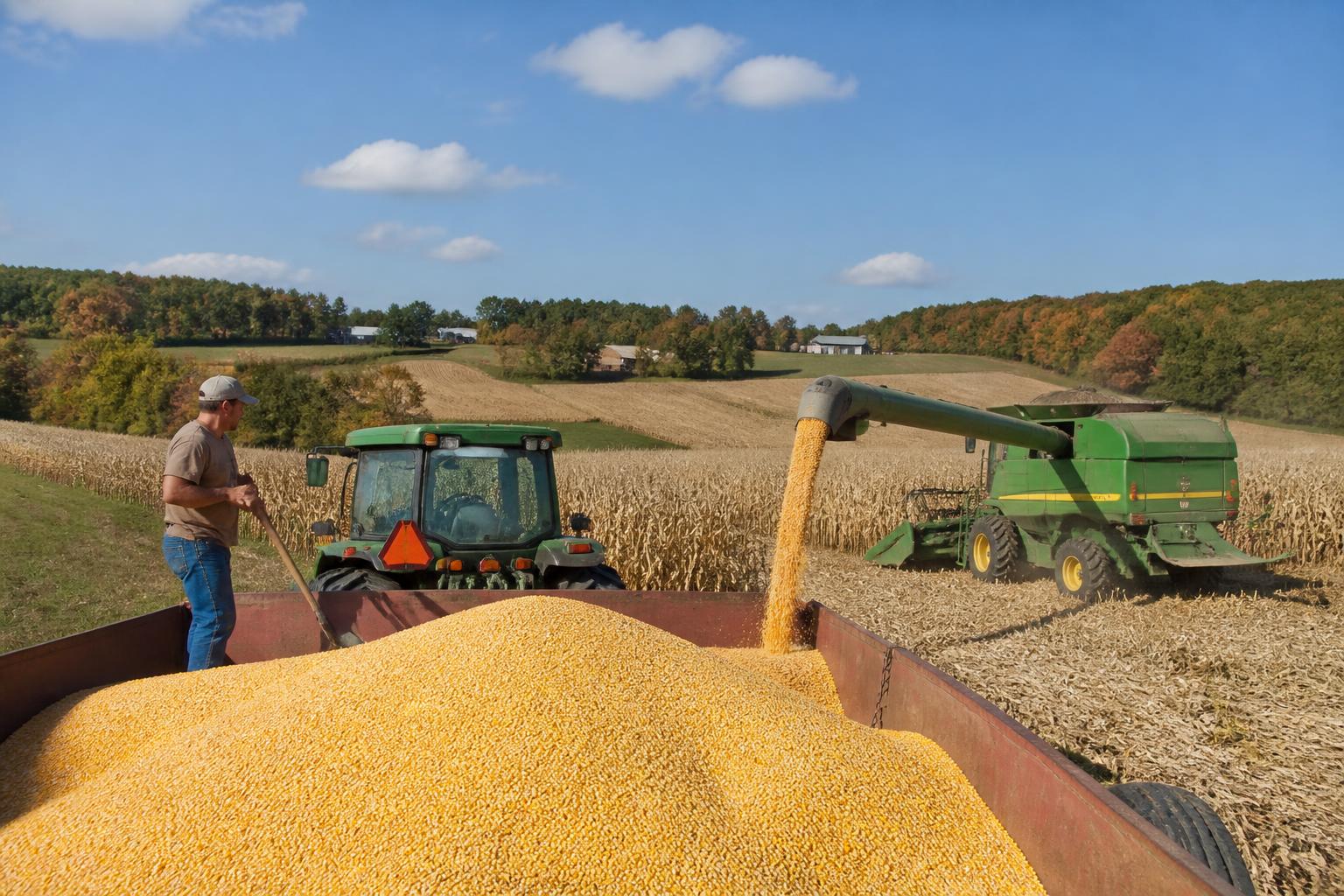
Harvest season has officially arrived in Kentucky, with producers reporting steady progress as field work advances across key agricultural corridors. Early reports indicate favorable conditions, allowing equipment to move efficiently through fields. For many in the state, this phase is critical, as operators balance the need for speed with the ongoing demand for precise grain handling and storage logistics.
As localized activity increases, growers are turning their attention to both immediate field performance and the broader logistical preparations required to move product to market. Efficient scheduling remains a top priority, particularly as elevators and transport partners gear up for the peak movement period that typically characterizes the mid-autumn window.
Managing Field Efficiency and Quality
The current environment reflects a season where favorable weather has largely supported crop development, leading to optimistic forecasts regarding yield potential. While the focus remains on the current harvest cycle, researchers and agronomists continue to emphasize the importance of monitoring for late-season stressors, such as fungicide resistance or pest pressure, which can influence final grain quality. Producers are encouraged to maintain close communication with local cooperatives and grain buyers to stay informed on regional quality standards and delivery requirements.
Infrastructure and Future Outlook
Beyond the immediate harvest, investment in regional infrastructure continues to evolve, supporting the long-term needs of the state's grain sector. With new energy and processing facilities in development, the landscape for agricultural output is shifting toward greater integration with secondary markets. Staying current on these structural changes is essential for producers looking to optimize their operational flow and mitigate potential bottlenecks as harvest volume reaches its zenith.
What it means for the market
For Kentucky farmers and agribusinesses, the current market climate presents a window of opportunity to capitalize on healthy crop progress. By staying ahead of logistics and utilizing regional storage capacity effectively, stakeholders can better manage the influx of grain and ensure that market-ready supplies reach their destination without the typical delays associated with peak-season congestion.
Comments
No comments yet - be the first to share your take.