
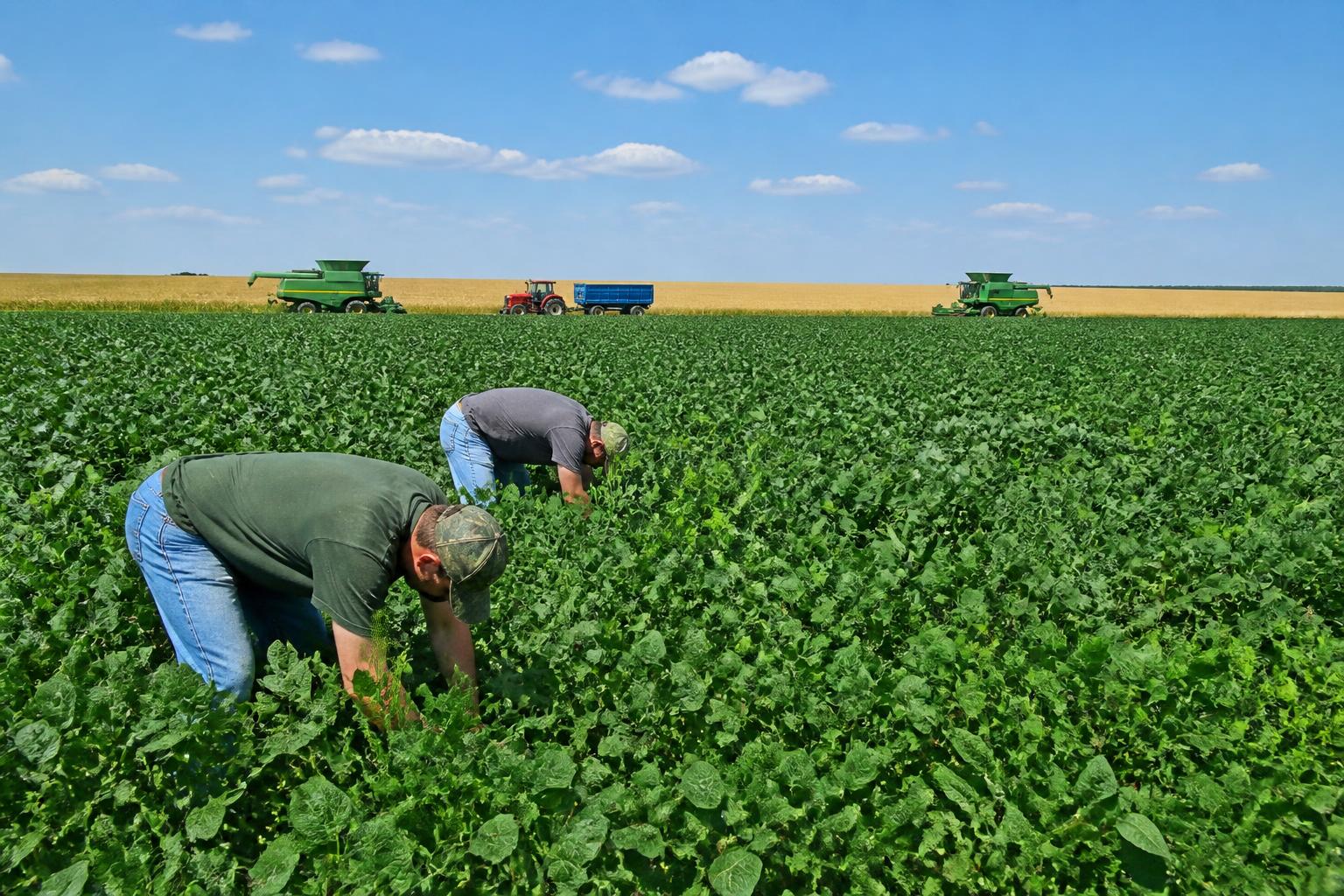
In the heart of the growing season, Nebraska agribusinesses are finding that operational agility remains the best defense against persistent market pressures. From managing high input costs to coordinating complex grain and fertilizer logistics, the focus for many across the state is on tightening margins and optimizing every mile of the supply chain.
Recent movements in the transportation sector suggest a push toward further integration within specialized agricultural supply chains. The acquisition of key regional liquid fertilizer transporters by national players highlights a continued emphasis on securing reliable, localized delivery networks. For producers, this consolidation may impact how inputs reach the farm gate, particularly as businesses look to buffer against potential service disruptions during critical field windows.
Adapting to Evolving Logistical Needs
Beyond fertilizer, the broader landscape of Nebraska agribusiness is contending with a mix of variable environmental conditions and fluctuating labor availability. Whether it involves managing on-farm grain storage capacity to hedge against future price volatility or securing essential inputs during peak activity, the ability to pivot is paramount. Many growers are reporting that precision in logistics is becoming just as vital as precision in the field, especially when navigating regional infrastructure limitations.
Input Efficiency and Field Management
The current logistical climate continues to demand a proactive approach to procurement. As agricultural operations face the realities of a changing landscape, from shifting crop strategies to localized climate pressures like wildfires, communication between handlers, carriers, and producers has become an essential operational tool. For those managing input schedules, keeping a close eye on regional transport capacity can prevent bottlenecks that often arise as harvest preparations begin to intensify.
Additionally, the integration of new technologies into equipment and field operations is helping some producers manage complex crop protection tasks with greater efficiency, though equipment lead times and parts availability remain areas that require long-term planning.
What it means for the market
For Nebraska's agricultural sector, the takeaway is clear: the path to profitability this season is paved with logistical foresight. By monitoring shifts in regional transport assets and maintaining flexible storage and procurement strategies, farmers and agribusinesses can better shield themselves from the broader supply chain unpredictability currently impacting the wider U.S. market.
Comments
No comments yet - be the first to share your take.