
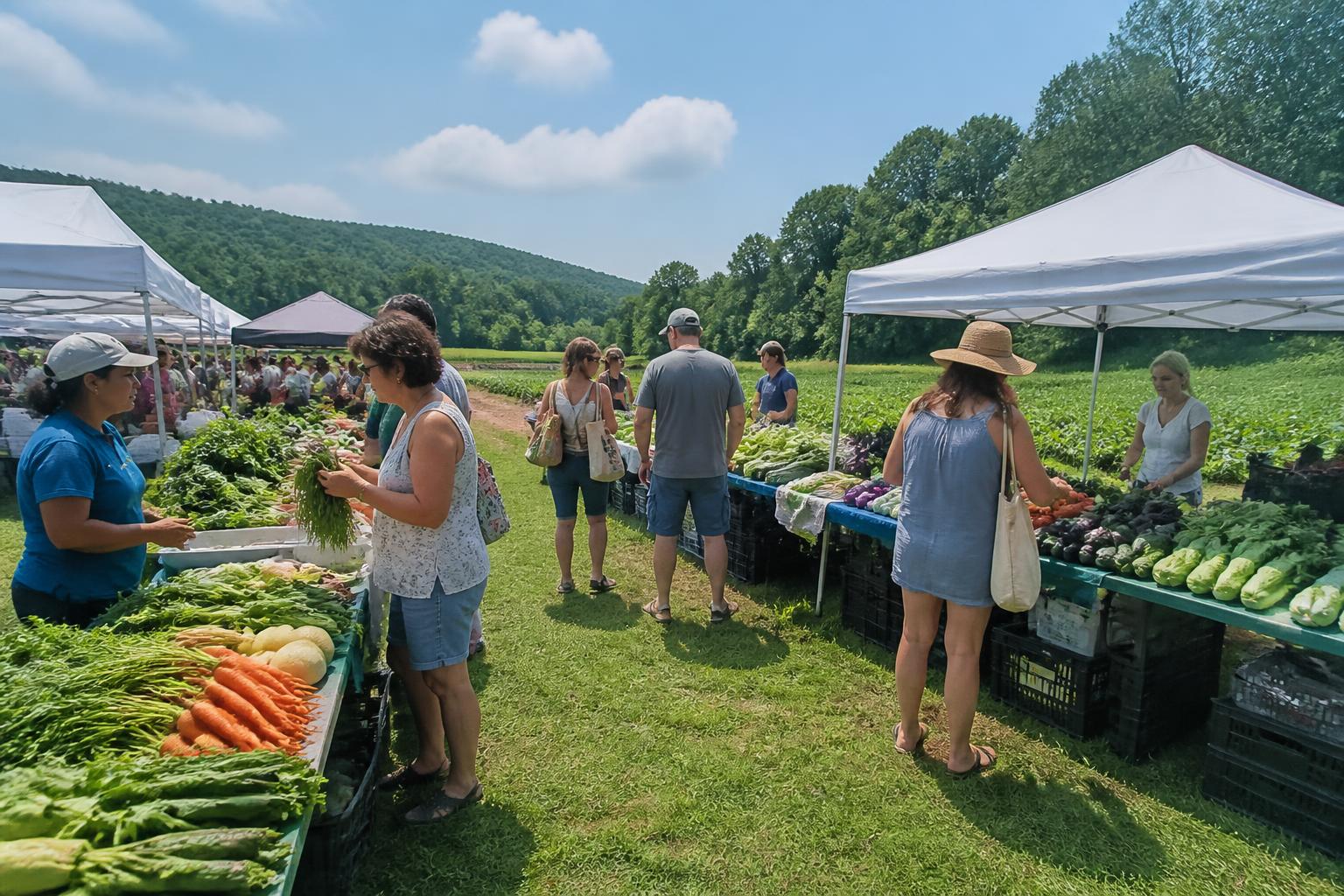
For Maryland farmers, the summer season marks a critical window for balancing operational intensity with long-term resource management. As fieldwork persists through the heat of July, logistics continue to play a pivotal role in ensuring that inputs reach their destinations and that produce moves efficiently toward end markets. Maintaining clear pathways across rural corridors remains essential for the timely delivery of supplies and the eventual transport of harvests.
Beyond standard transport logistics, Maryland producers are increasingly navigating the complexities of input management. As highlighted in our recent analysis on logistics and input strategies, the ability to manage storage and distribution channels effectively can directly influence a farm's bottom line. Whether moving supplemental fertilizers or preparing infrastructure for upcoming seasonal shifts, the efficiency of supply-chain movements remains a cornerstone of regional competitiveness.
Managing On-Farm Resources and Regulatory Context
In addition to transportation, farmers are contending with the ongoing management of by-products. For many large-scale poultry operations across the Delmarva Peninsula, manure management is treated as a routine but significant operational cost. Integrating these by-products back into the cycle requires careful logistics and adherence to stewardship practices, which can influence how operators approach regional land-use and environmental compliance.
While broad policy debates in Washington often capture headlines, the day-to-day focus for many Maryland producers remains anchored in local realities. From evaluating soil fertility through targeted mid-season nutrient applications to keeping equipment moving on county roads, these operational choices define the season's success.
What it means for the market
For agribusinesses and logistics providers, the current market climate underscores a need for agility. As July activities peak, ensuring that transport capacity is aligned with local demand is vital. Producers who prioritize streamlined logistical planning and proactive input management will be better positioned to navigate the remainder of the summer, mitigating potential bottlenecks before they impact regional supply chain fluidity.
Comments
No comments yet - be the first to share your take.