
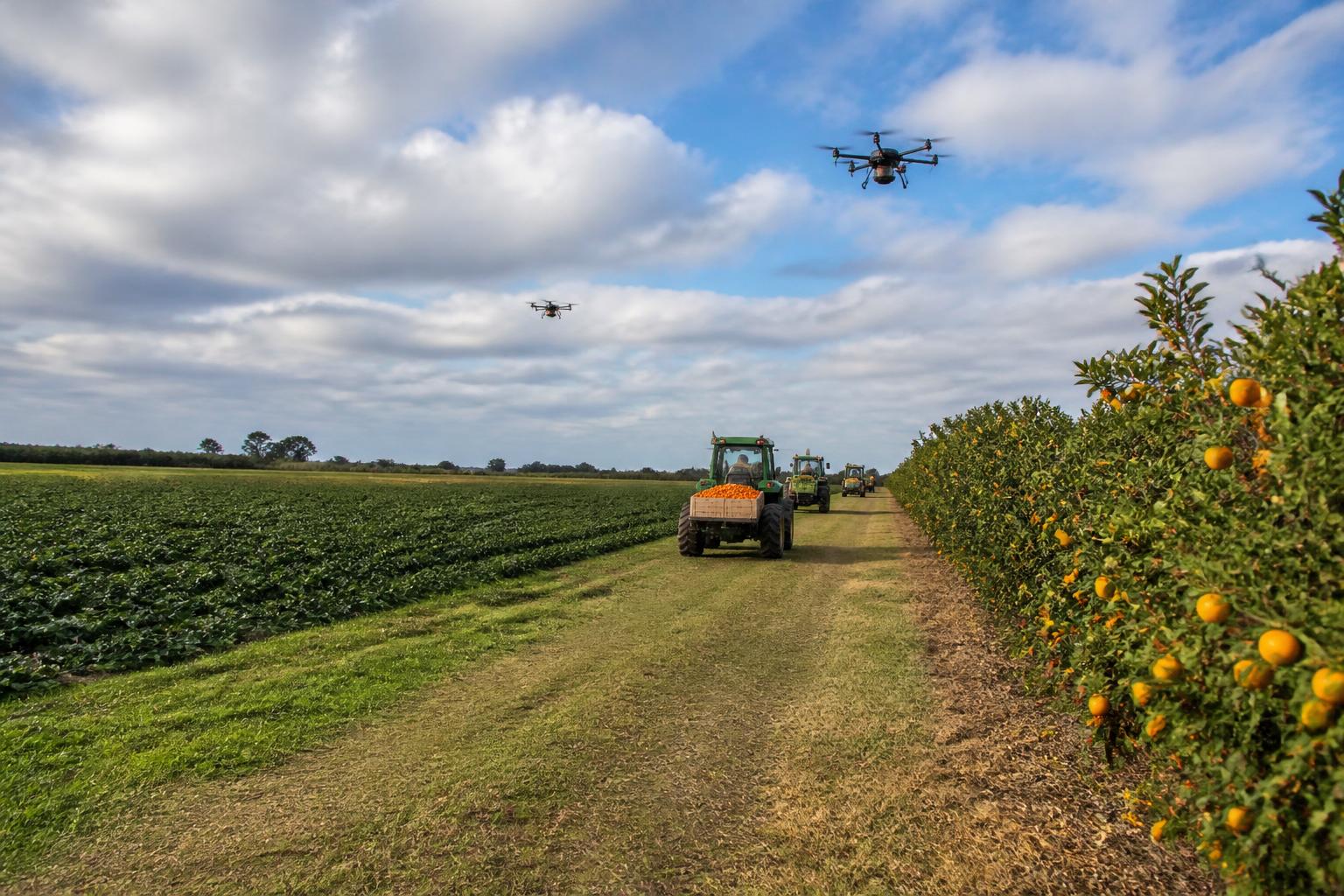
As the state enters the fall harvest window, Florida's agricultural logistics network is once again under the microscope. For carriers, grain handlers, and regional agribusinesses, maintaining strict adherence to inspection protocols is a primary operational necessity. Recent incidents involving the bypass of agricultural inspection stations emphasize the importance of having all required documentation—such as livestock health papers—ready for transit before hitting major transit corridors.
Managing Supply Chain Efficiency
Beyond regulatory compliance, the industry continues to look for ways to optimize food supply chains. Many operators are increasingly exploring technology, such as permissioned blockchain, to improve traceability and ensure consumer trust. For producers, this means maintaining tighter control over data sets as they move product from the field to local community hubs or regional distribution centers. These logistical nuances in input supply chains are critical as businesses balance rising operational costs with the need to maintain a consistent market flow.
Input Market and Operational Outlook
Agribusinesses across the state are also closely monitoring the broader input market, where global pressures have recently influenced fertilizer output and availability. When primary inputs fluctuate in price or supply, it impacts the entire regional production cycle, from row crops to specialized ornamental operations. Ensuring that your procurement strategy is flexible remains a common recommendation for handlers navigating these pressures. Additionally, as state-level agricultural leadership eyes new policies, stakeholders in the transport sector may see evolving standards for inspection and distribution that could influence market trends for Florida grains and other major commodities moving forward.
What it means for the market
For Florida agribusinesses, the coming months require a dual focus on rigorous compliance and data-driven efficiency. Carriers should ensure all documentation is verified prior to transit to avoid delays at inspection stations, while processors and handlers should continue exploring digital tracking tools to mitigate supply chain volatility. With seasonal demand shifts typical of this time of year, maintaining reliable logistics is your best hedge against market uncertainty.
Comments
No comments yet - be the first to share your take.