
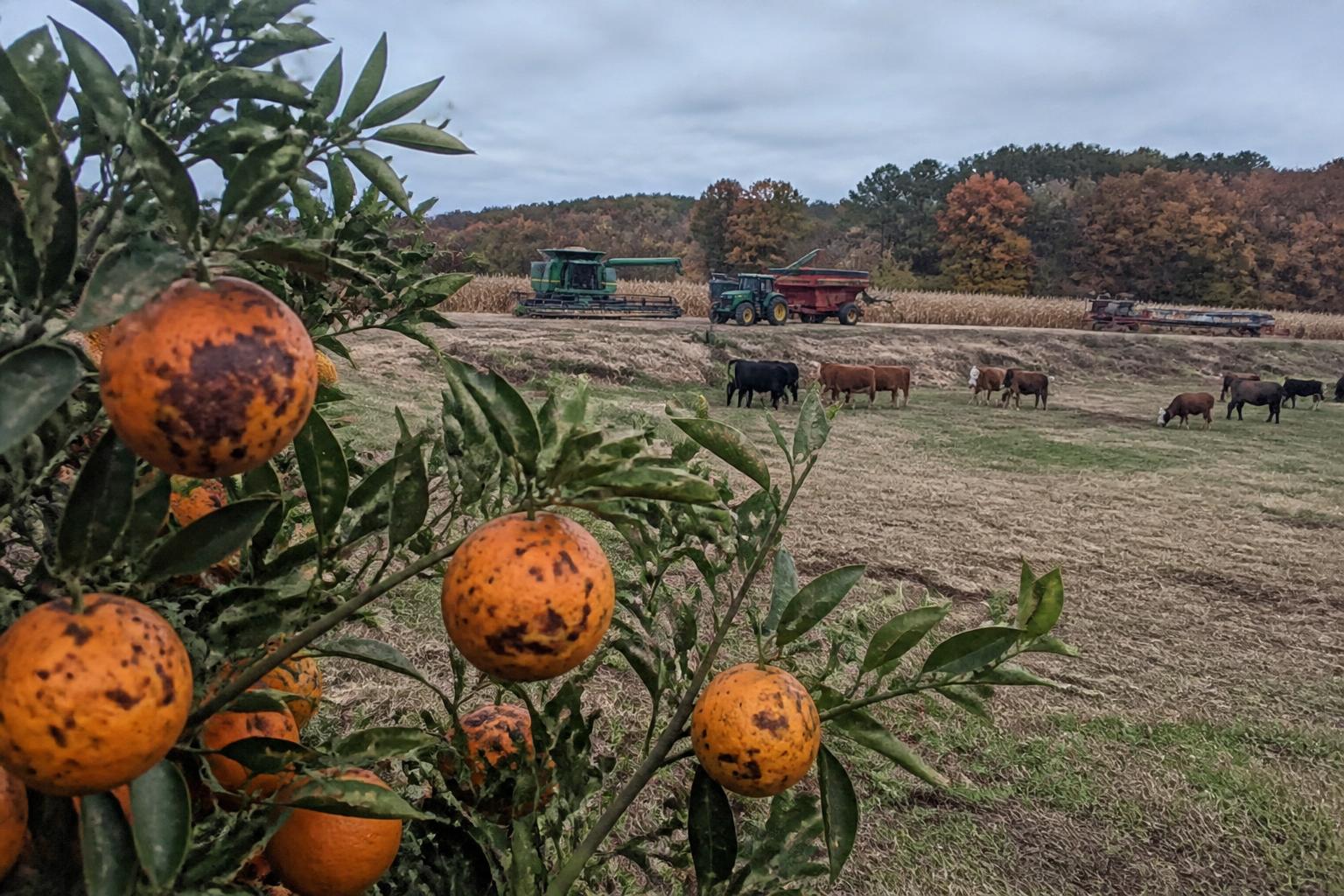
As Alabama farmers move through their fall operational schedules, the recent identification of citrus canker in Mobile and Baldwin counties serves as a timely reminder for producers and logistics providers to re-examine their movement protocols. Ensuring strict biosecurity measures remains a critical component of maintaining regional market health and preventing the spread of plant disease across vulnerable horticultural zones.
For those involved in regional transit, the movement of plant material requires heightened awareness during this period of harvest and seasonal transition. While the impact on broader agricultural supply chains may vary, maintaining rigorous sanitation practices at collection points and transit hubs can help mitigate long-term disruptions to local growers. Addressing these logistics and operational shifts is an ongoing necessity for any facility managing diverse agricultural commodities throughout the state.
Focusing on On-Farm Biosecurity
Producers in the affected southern counties should prioritize isolating any identified symptomatic vegetation. Even in operations that prioritize diversification, such as those combining row crops with cattle production, the unintentional transport of infected plant debris on equipment can complicate management efforts. Regularly cleaning machinery moving between fields remains a best practice, particularly as farmers finalize their preparations for the coming winter months.
Logistics and Market Resilience
Efficient movement of goods remains the backbone of the Alabama agricultural economy. Whether navigating the logistical complexities of specialized crop transport or managing bulk grain shipments, the ability to adapt to localized environmental or health-related restrictions is key to maintaining profitability. By staying updated on regional developments, growers can better align their transport strategies with both safety requirements and broader market demand.
What it means for the market: For Alabama agribusinesses, the detection of citrus canker emphasizes the importance of proactive monitoring. While current operations may continue under standard procedures, increased attention to equipment sanitation and movement oversight is essential to avoid potential regional quarantine impacts that could tighten supply chains or complicate distribution patterns for local nurseries and producers.
Comments
No comments yet - be the first to share your take.