
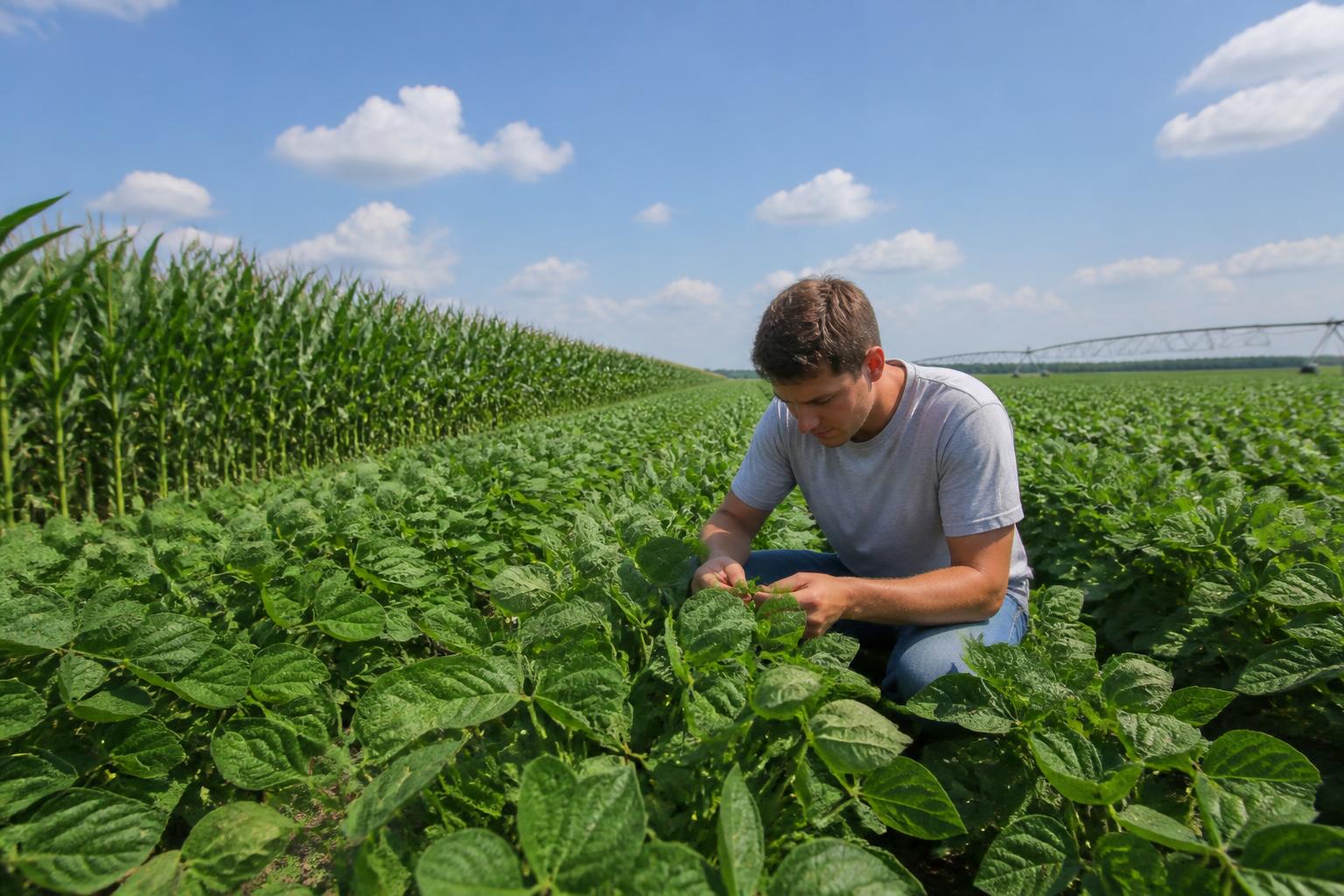
Mid-summer in Georgia brings a unique set of pressures for producers, ranging from the technical demands of high-yield crop management to the logistical requirements of a state that is rapidly modernizing its supply chain. With the season now in full swing, farmers in regions stretching from the fertile southwest to the northern corridors are focusing on precision irrigation and resource efficiency to protect yields.
Recent adjustments to irrigation permits have highlighted the ongoing need for water management to sustain current users throughout the peak heat of July. This focus on resource preservation is mirrored by a commitment to innovation, as seen in the increasing adoption of precision agriculture technologies by local students and industry leaders alike. These tools, which allow for more granular control over field inputs, are becoming essential for maintaining competitive advantages in today's farming environment.
Expanding Logistics and Cold Storage
The state's infrastructure is also seeing significant investment to support agricultural output. The recent opening of new cold storage capacity, such as facilities operated by MEDLOG, signals a strengthening of the Georgia cold chain and logistics landscape. These developments are critical for maintaining product integrity as commodities move toward major regional hubs and export gateways.
Efficient agricultural logistics and transport remain a primary concern, especially as harvest activities begin to ramp up. Producers are encouraged to keep a close watch on regional transport corridors, as the movement of inputs and finished goods often competes for limited road space during peak summer months. Strengthening these links remains a top priority for local agribusinesses aiming to keep costs under control.
Commitment to Growth and Sustainability
Beyond logistics, partnerships continue to play a major role in the Georgia agricultural narrative. Collaborative efforts between state universities and organizations like USAID are demonstrating the global reach of the state's peanut industry, focusing on sustainable development and food security. Simultaneously, local recognition of outstanding contributors continues to drive a culture of excellence in field production.
Producers looking to maintain their edge should keep abreast of the latest supply chain and input developments impacting their operations. Whether it is through optimizing fertilizer applications or coordinating more effectively with regional storage providers, the current market climate rewards those who prioritize both operational efficiency and long-term planning.
What it means for the market
For the Georgia grower, the current season emphasizes a move toward integrated management. While yield potential remains a focus, the ability to navigate changing regulations and invest in robust supply chain infrastructure will likely define success in the coming months. Market participants should prepare for continued competition for storage and transport capacity as the summer harvest progresses.
Comments
No comments yet - be the first to share your take.