
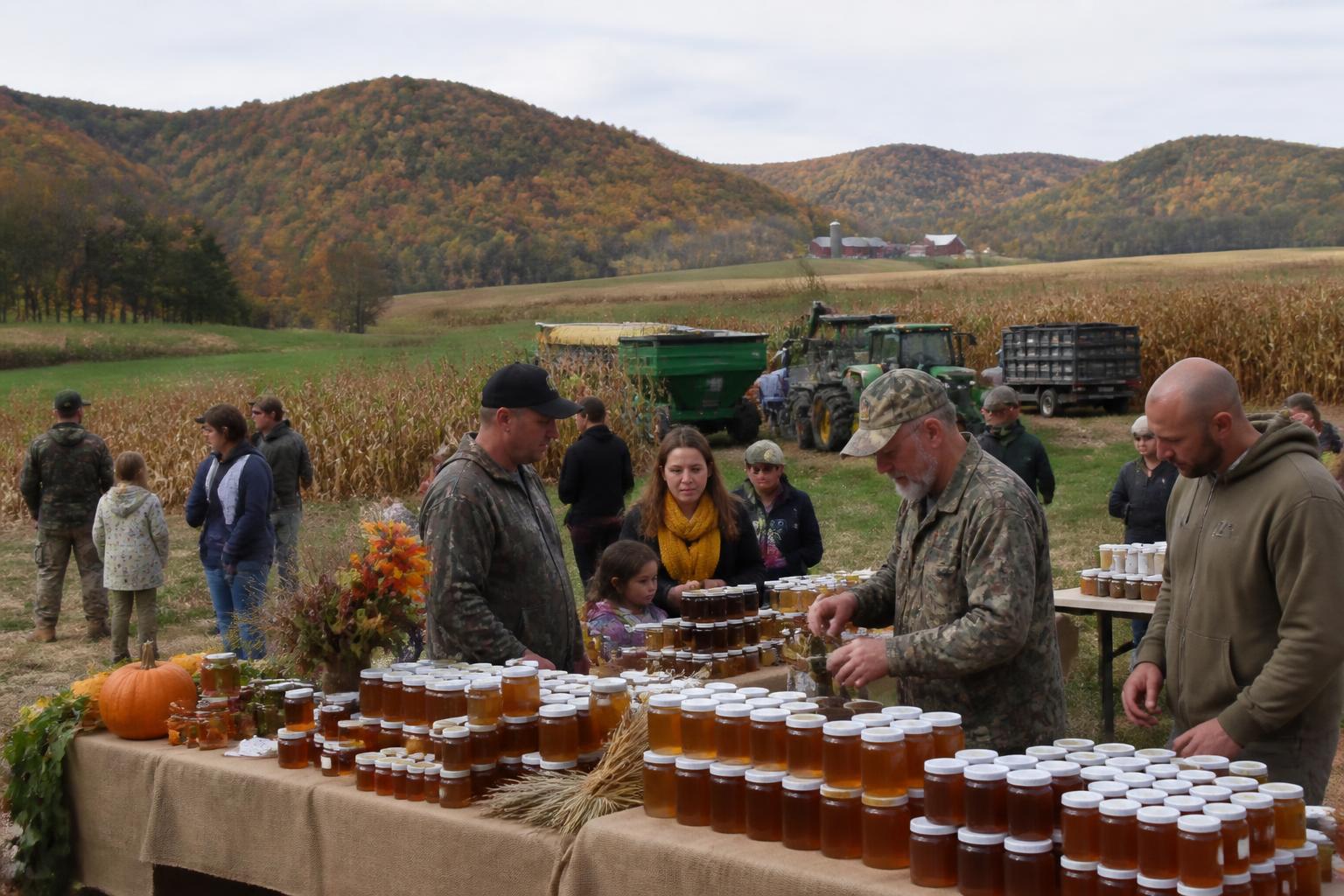
As the fall harvest season shifts into high gear across West Virginia, agricultural producers are focusing on the critical intersection of field productivity and local supply chain efficiency. Managing the movement of crops from the Appalachian highlands to regional markets often requires careful planning, especially when navigating the unique topography that shapes logistical bottlenecks in rural transit corridors. For many, the primary challenge remains balancing the timing of harvest cycles with available storage and transport capacity.
Input Costs and Market Resilience
Recent shifts in the broader agricultural economy, particularly regarding fertilizer access, are influencing how farmers plan their upcoming seasonal transitions. With federal attention recently directed toward stabilizing food supply chains and addressing input availability, producers in the Mountain State are evaluating their options to maintain margins. Farmers who have invested in modernizing their on-farm precision tech often find themselves better positioned to optimize these inputs, though financial headwinds remain a persistent concern for smaller family operations.
Operational Planning for the Season
Beyond the field, the operational landscape is evolving with new support programs and local initiatives aimed at bolstering producer longevity. Whether it is engaging with new state-level farming assistance or leveraging opportunities through farmer market mini-grants, operators are looking for ways to insulate their bottom line against volatility. As the season progresses, maintaining a clear line of sight into operational financial health is essential for sustaining long-term viability in regional niches.
What it means for the market
For West Virginia agribusinesses and grain handlers, the current environment demands a proactive approach to logistics. As harvest volume increases, securing reliable transport and monitoring for potential supply chain disruptions will be critical to protecting narrow margins. Producers should continue to leverage available state resources and adapt management strategies to the changing economic climate to ensure a successful close to the season.
Comments
No comments yet - be the first to share your take.