
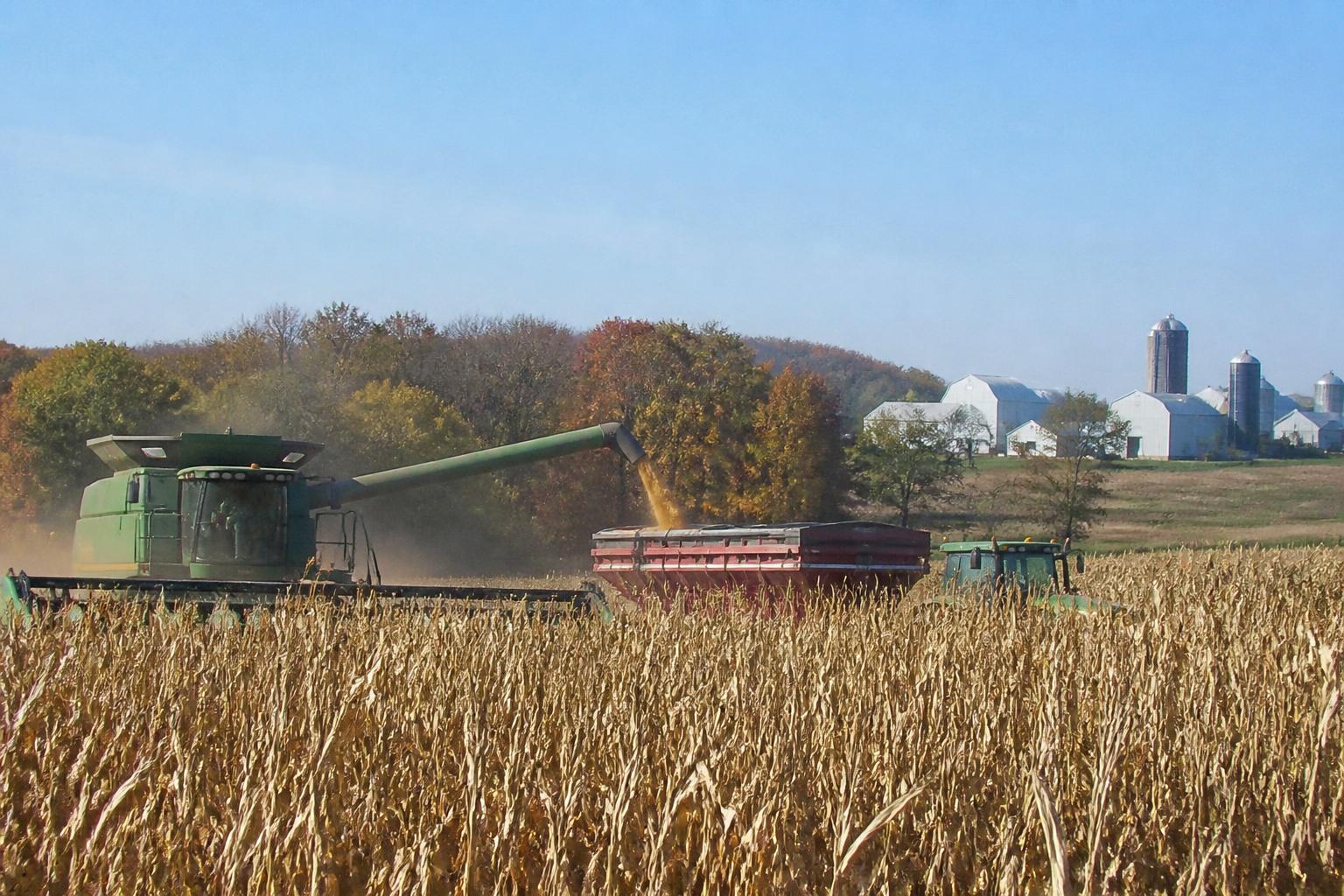
The arrival of the fall harvest season in Wisconsin brings a busy period for producers, grain handlers, and transport teams working across the state's agricultural corridors. As field activity intensifies, managing logistics becomes a priority, particularly as rural infrastructure continues to evolve to accommodate heavier equipment and increased load demands during the peak autumn window.
Adapting to Infrastructure and Policy Changes
Recent developments in local infrastructure are shifting how materials move from fields to processing centers. For instance, planned bridge replacement projects, such as the upcoming work on Patterson Creek, represent the type of localized logistics hurdles that can temporarily alter hauling routes for grain and input providers. Operators are encouraged to monitor regional updates closely to avoid unexpected delays, especially as navigating Wisconsin grain logistics remains a balancing act between fuel efficiency and transit time.
Furthermore, legislative updates are providing new avenues for improving rural connectivity. Recent changes in Wisconsin agricultural road laws, particularly those supporting the installation of manure culverts, may offer long-term relief for farm-to-field transit. These structural improvements are designed to maintain integrity on secondary roads that see heavy use throughout the year, supporting the durability required for intensive harvest traffic.
Focusing on Efficiency and Conservation
As the season progresses, many growers are integrating conservation-minded approaches into their harvest strategy. Aligning heavy machinery schedules with road conditions helps mitigate soil compaction and wear on rural road networks. For those managing on-farm supplies, staying ahead of potential storage constraints continues to be vital as regional throughput climbs. Coordination between transport partners and local elevators is often the difference between a seamless delivery and a logjam at the bin site.
Key Takeaways
- Monitor county-level announcements regarding bridge and culvert replacement projects to adjust hauling schedules in advance.
- Utilize updated ag-road regulations to advocate for necessary infrastructure improvements on frequently traveled routes.
- Balance harvest speed with equipment weight management to minimize stress on rural infrastructure during the peak autumn months.
What it means for the market: Producers and logistics firms in Wisconsin should expect a busy fall season where proactive communication and route planning are essential. By keeping apprised of local infrastructure and market access developments, agribusinesses can better navigate the logistical challenges of the harvest while maintaining operational efficiency.
Comments
No comments yet - be the first to share your take.