
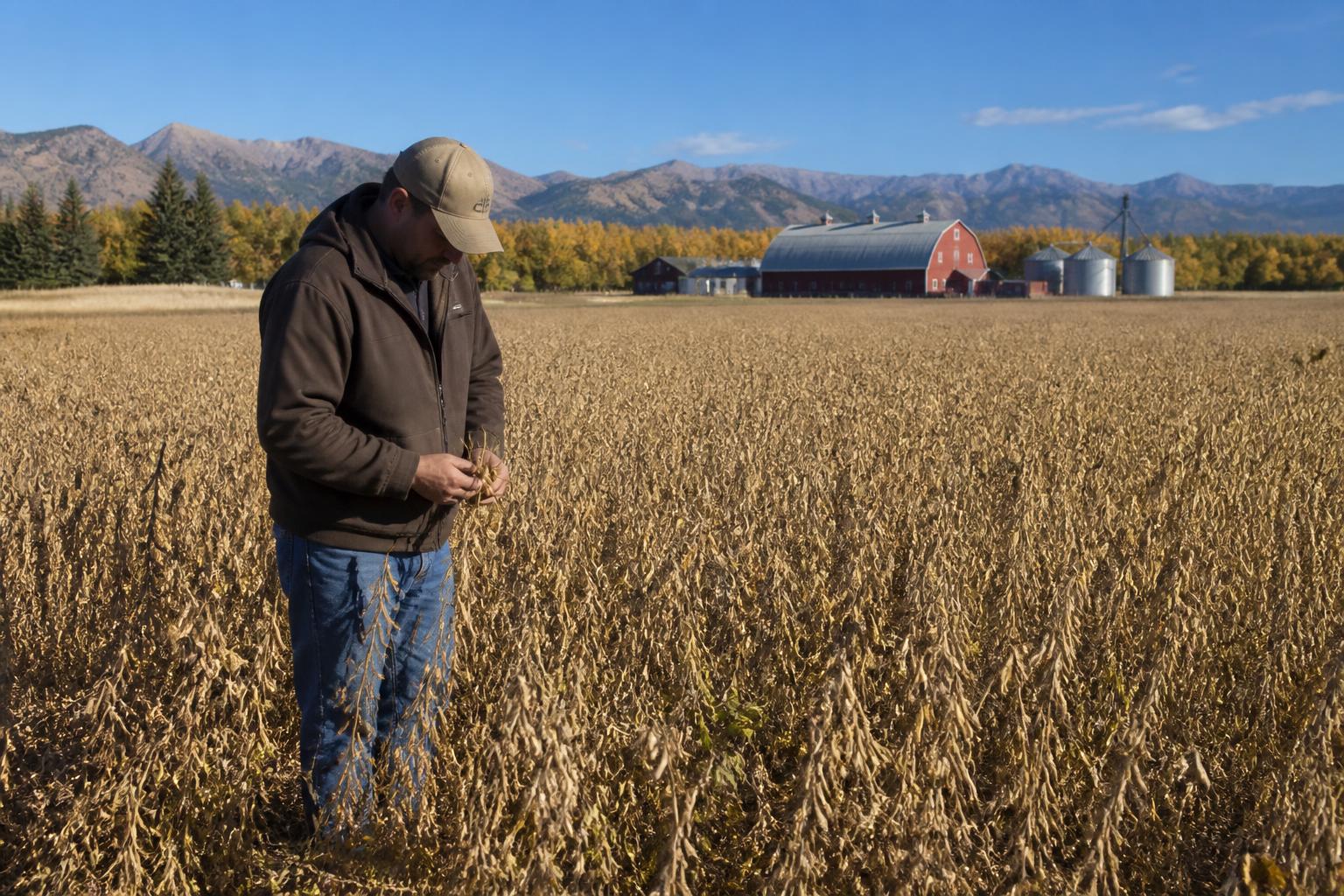
As the Montana harvest season hits its stride this September, producers are navigating a complex mix of regulatory updates and long-term infrastructure shifts. With federal water regulations now in effect across the state, many agricultural groups are actively seeking legal injunctions, a situation that adds a layer of uncertainty for those managing irrigation and land usage across key farming corridors.
Managing Compliance and Operational Efficiency
Beyond the immediate regulatory challenges, Montana producers are also preparing for upcoming waste management cycles. Registration is currently open for the 2026 Montana Pesticide Waste Disposal Program, providing a necessary channel for responsible material handling as fields are cleared for the winter months. For those managing grain flow, maintaining reliable transportation networks is crucial, particularly as local elevator activity increases to accommodate incoming volumes.
Regional Developments and Logistics
Montana's agricultural footprint continues to evolve, with Great Falls emerging as a growing hub for biodiesel development. This expansion signals a broader interest in adding value to regional commodities, though it requires farmers to stay attentive to local trucking capacity and site-specific traffic patterns. Ensuring that haulers have clear access to regional hubs remains a priority as the state transitions into its most active logistics window.
What it means for the market: The combination of active regulatory legal challenges and new sustainability-focused disposal programs suggests a season of adjustment. Growers should prioritize operational flexibility, keeping a close watch on regional transport capacity and administrative deadlines to avoid bottlenecks during the busy fall load-out.
Comments
No comments yet - be the first to share your take.