
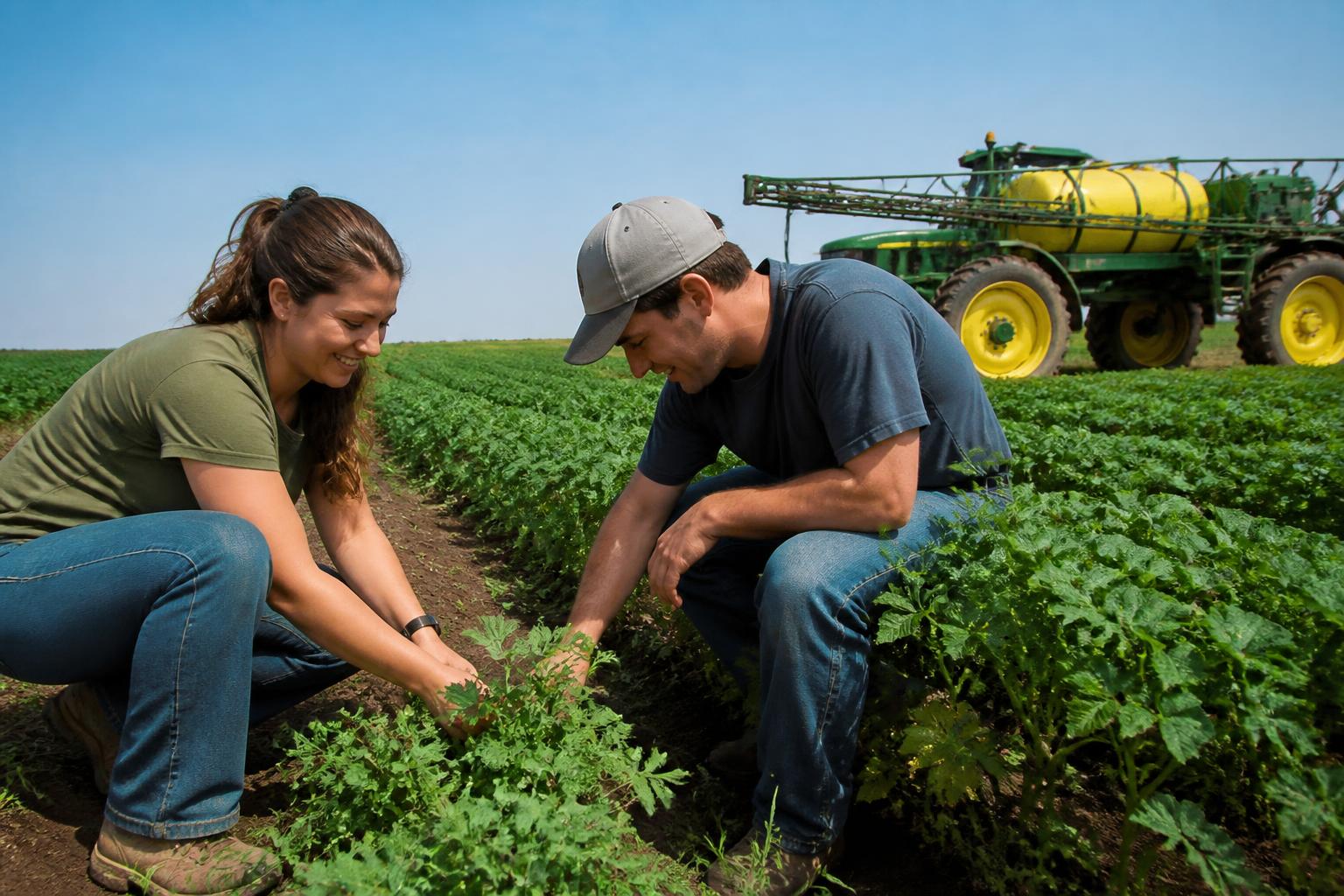
Texas agriculture remains a dynamic landscape this summer, characterized by a mix of infrastructure shifts and a renewed focus on regional defense. With the heat intensifying across the plains and coastal regions, producers are navigating the complexities of modern farming, from mitigating biosecurity threats to integrating advanced pest management tools.
Strengthening Regional Biosecurity
State-led efforts are currently prioritizing the protection of Texas producers against mounting challenges involving pests and disease. The launch of a dedicated agricultural defense program underscores the necessity for proactive monitoring and coordination. For grain handlers and livestock managers, these initiatives highlight the importance of maintaining strict protocols to safeguard operations, especially as environmental pressures can exacerbate risks during the summer months.
Innovation in Crop Management
The pursuit of resilience continues at the scientific level, with recent research advancements in Integrated Pest Management (IPM) offering new tools for localized crop protection. As Texas growers continue to refine their approaches to crop health, these developments represent a shift toward more precise and sustainable field interventions, essential for maintaining yield potential in high-heat conditions.
Logistics and Industry Shifts
The broader agricultural industry in Texas is seeing significant structural changes. Recent shifts in the manufacturing landscape and the emergence of new plant-based systems reflect an evolving economic profile for state agribusiness. For those in the supply chain, these developments often influence the availability of specialized equipment and the regional investment in new agricultural pathways, signaling a need for flexibility in procurement and logistical planning.
What it means for the market
For market participants, the current environment demands a heightened awareness of operational efficiency and risk management. As Texas producers invest in new defense systems and sustainable planting initiatives, the focus remains on long-term stability. Stakeholders should stay informed on how these systemic changes, coupled with ongoing research breakthroughs, influence daily input costs and regional output capacity as the harvest season approaches.
Comments
No comments yet - be the first to share your take.