
As we move through the heart of the summer season in Texas, agricultural operations across the state are contending with a complex array of threats that require heightened vigilance. From the coastal plains to the high plains, maintaining the integrity of livestock herds and field crops remains a central focus for producers managing unpredictable environmental variables.
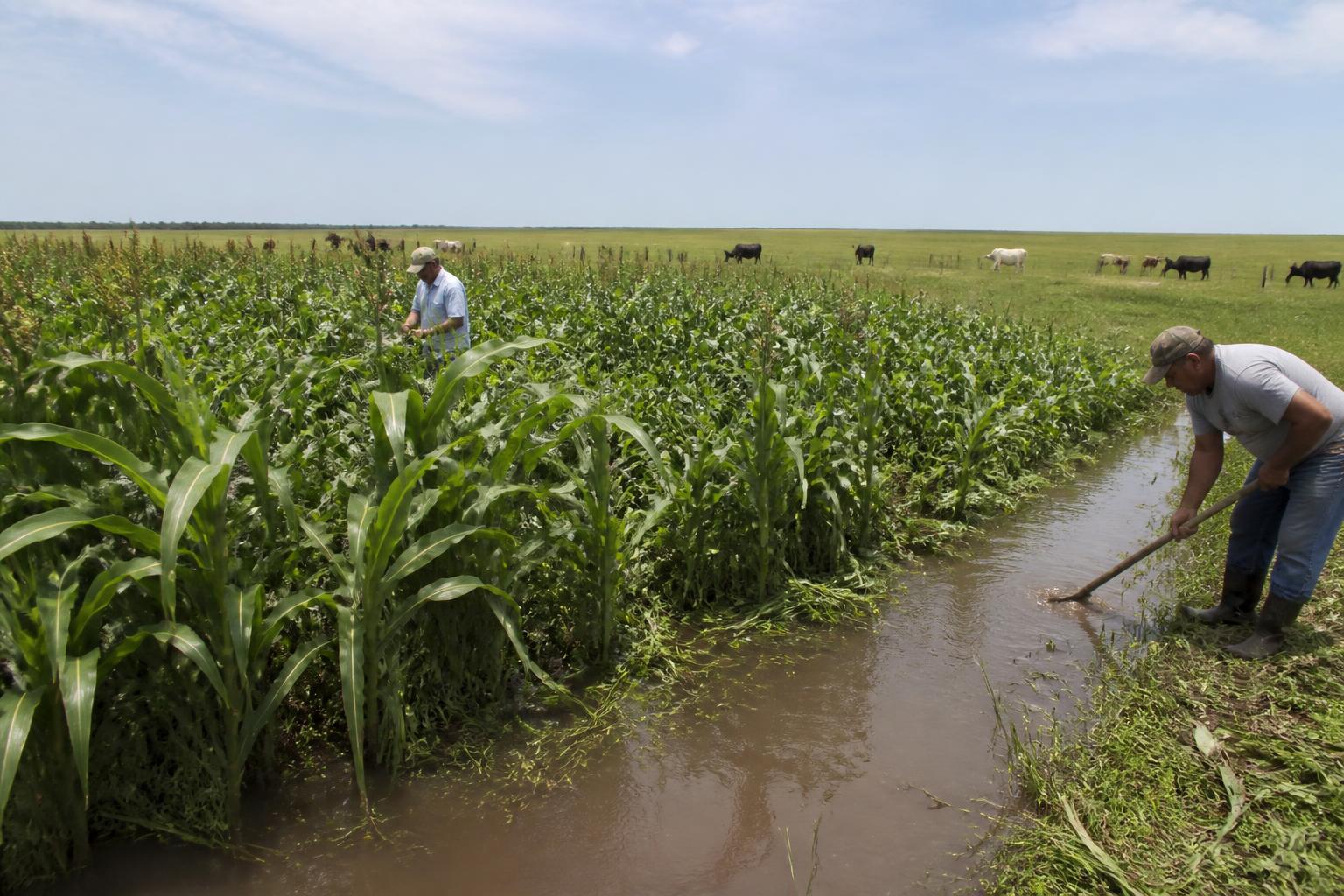
Recent reports of potential biosecurity threats and invasive pest pressures have necessitated a more robust approach to crop protection strategies. For cattle ranchers, the emergence of localized health risks can have significant implications for market stability and herd valuation. Meanwhile, in regions prone to heavy mid-summer precipitation, such as those near major river basins, the race to mitigate flood damage to standing crops is an ongoing logistical challenge that demands swift, coordinated action.
Managing Input and Operational Volatility
The current market environment underscores the importance of operational resilience. Whether it is addressing supply chain bottlenecks or navigating the complexities of regional input markets, many producers are finding that standard risk management plans require regular updates to account for shifting localized conditions. Managing input costs and protecting against external threats are now key pillars for maintaining profitability throughout the remainder of the growing season.
Focus on Research and Preparedness
In response to these challenges, investment in agricultural research remains a top priority across the state. Dedicated research facilities are working to develop more resilient crop varieties and improved mitigation techniques, providing a critical support structure for producers facing evolving environmental stressors. This emphasis on long-term preparedness is essential as the state continues to refine its response to both long-standing and newly identified invasive species.
What it means for the market: Producers should anticipate continued volatility as biological and environmental risks continue to dominate the headlines. Strengthening biosecurity measures and maintaining a flexible inventory strategy for inputs will be vital as we head into the late summer period. Market participants are encouraged to stay informed on regional developments, as localized outbreaks or climate events can quickly shift supply dynamics for both livestock and grains.
Comments
No comments yet - be the first to share your take.