
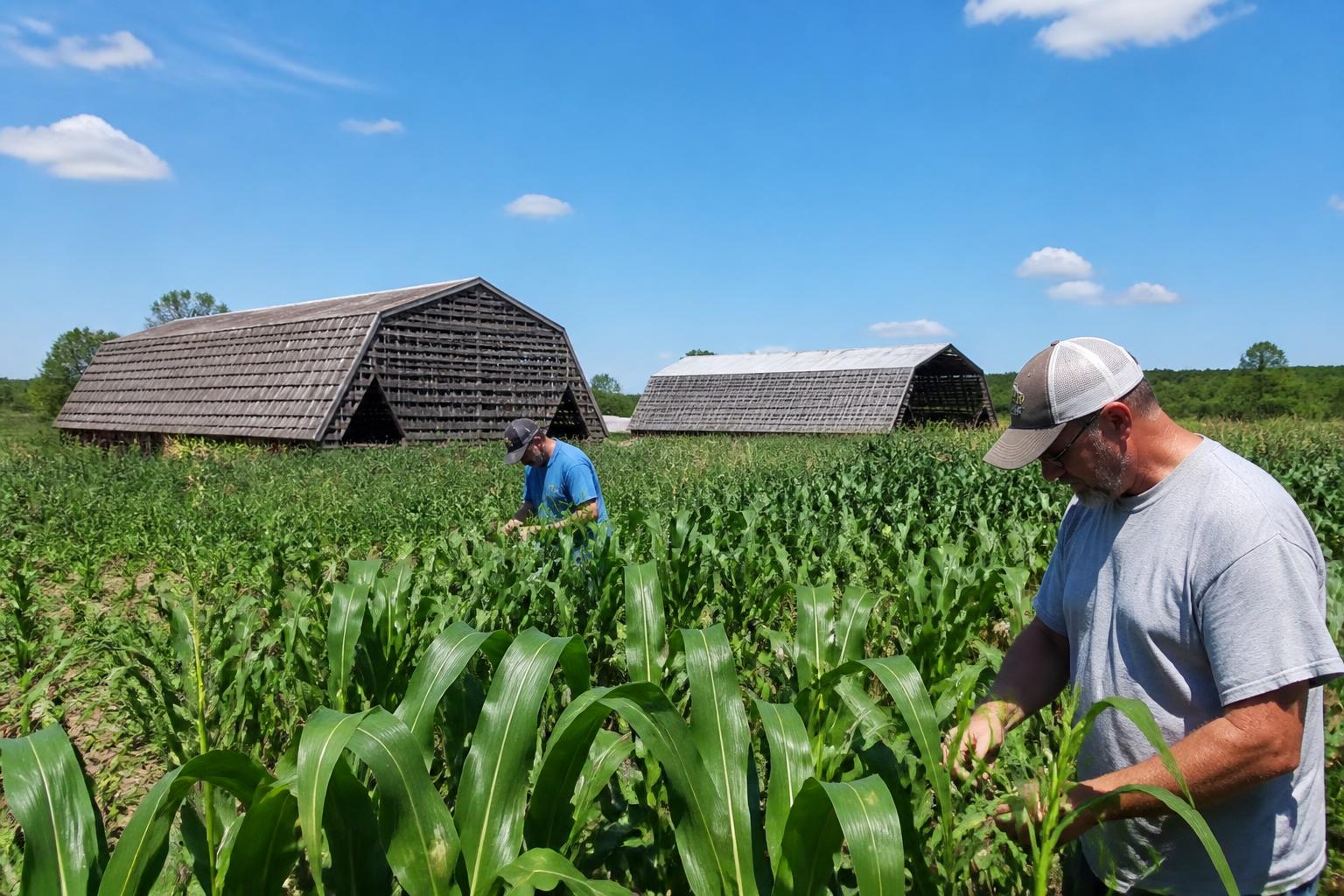
Adapting Protection Strategies in Kentucky
As the summer season progresses across Kentucky, row crop producers are increasingly looking at the efficacy of biologicals as potential complements or alternatives to traditional fungicide applications. With the state's humid climate often creating ideal conditions for fungal pressure, managing disease early is vital for maintaining long-term crop health. Many growers are assessing how these newer biological inputs perform in tandem with conventional mid-summer disease management programs, balancing cost-effectiveness against expected yield outcomes.
Infrastructure and Market Resilience
Beyond field-level protection, Kentucky farmers are exploring structural innovations to safeguard specialty crops like burley tobacco. New curing structures are showing promise in improving air circulation and quality control, which can be critical for maintaining market standards during volatile weather patterns. These investments in infrastructure often reflect a broader trend toward improving overall market stability and farm-gate value in a competitive environment.
Managing Inputs in a Shifting Landscape
Logistical and financial management remains top-of-mind as growers navigate the current season. Whether refining fertility strategies for no-till systems or evaluating the cost-benefit ratio of protective inputs, precision and planning are the keys to mitigating risk. As the harvest horizon approaches, maintaining field monitoring schedules helps ensure that input applications are targeted and timely, maximizing the potential return on investment before final crop maturity.
What it means for the market
For Kentucky agribusinesses and producers, the current focus is on operational efficiency. By leveraging emerging technologies and optimizing on-farm infrastructure, growers are aiming to lower their risk profile despite environmental challenges. Moving forward, the successful integration of biological inputs and improved storage designs will likely play a central role in sustaining profitability through the remainder of the 2026 season.
Comments
No comments yet - be the first to share your take.