
Corporate Shifts and Operational Changes
The agricultural landscape in Hawaii is experiencing a period of transition as major players adjust their long-term breeding operations. Recent news indicates that consolidation efforts are impacting workforce levels at various agricultural sites across the islands. For local agribusinesses and land managers, these shifts often signal broader changes in how large-scale research and seed development are handled within the state. Staying informed on navigating regulatory shifts and crop viability remains a critical component for producers managing land that may transition between different agricultural uses.
Expanding Local Markets Through Institutional Demand
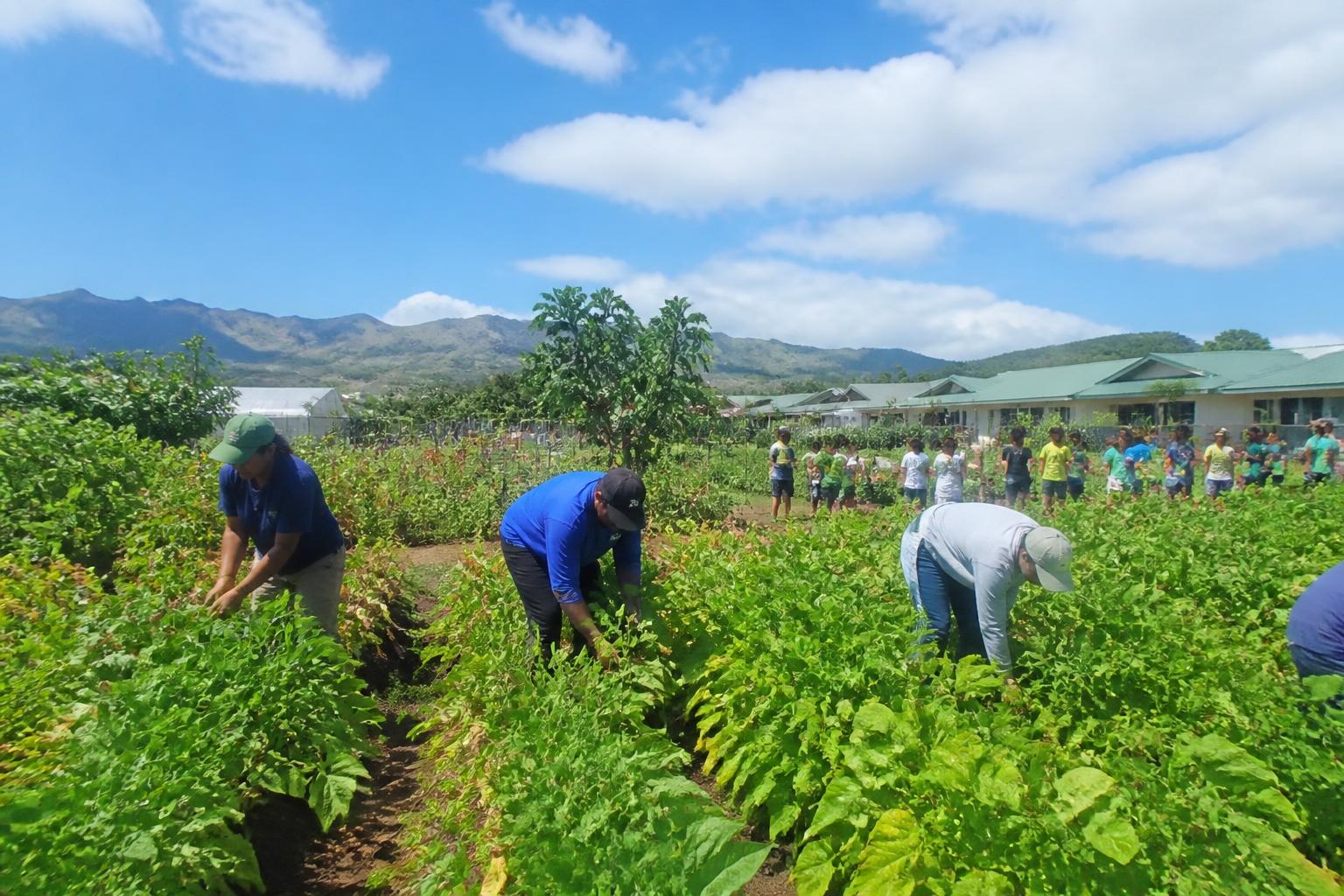
Beyond large-scale operations, there is a growing push to bolster local food systems through legislative interest in farm-to-table initiatives for Department of Education schools. This effort aims to connect Hawaii's growers more directly with institutional buyers, potentially creating a more consistent outlet for local crops. For diversified farms and smaller producers, tapping into these supply chains can provide a more stable revenue stream, though it requires meeting specific volume and safety requirements that define the local procurement environment.
Operational Resilience in the Islands
The intersection of corporate consolidation and school-based procurement highlights the varied pressures on Hawaii's agricultural community. As the industry evolves, maintaining operational efficiency and adhering to strict biosecurity protocols remain paramount. Producers are encouraged to focus on local market diversification, particularly as state leaders continue to advocate for policies that prioritize food security and the long-term viability of island farms.
What it means for the market
For those in Hawaii's agriculture sector, the current environment suggests a dual-track reality: while large breeding operations are consolidating, there is a distinct political and economic pivot toward strengthening local food pathways. Producers should keep a close watch on how institutional procurement policies develop in the coming months, as these programs could present new opportunities for local growers to offset the volatility often associated with larger export-oriented models.
Comments
No comments yet - be the first to share your take.