
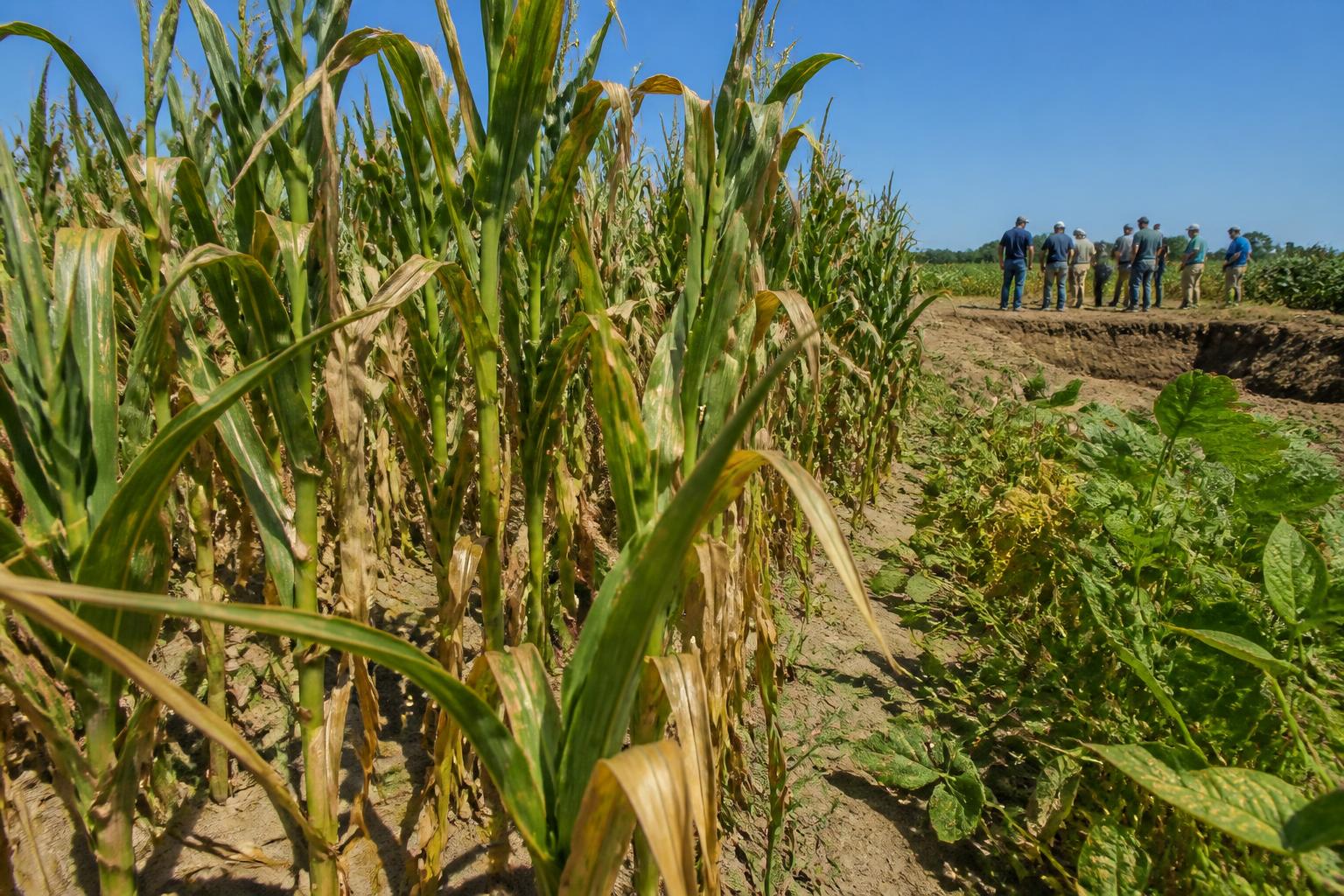
Wisconsin farmers are currently contending with intensified drought conditions as an exceptionally dry July continues to challenge crop development. With corn and soybean development at critical stages, the lack of sufficient precipitation across the state has created localized moisture stress, prompting many growers to closely monitor field conditions and potential yield impacts.
Understanding the resilience of our local acreage is a key priority for producers this season. Insights from ongoing soil conservation research and advanced field forecasting are helping many operations make informed adjustments as they evaluate the hidden potential of their corn stands amidst variable weather patterns. Assessing soil profiles and moisture retention remains a critical step for mitigating the effects of mid-summer heat.
Refining Long-Term Production Strategies
While current conditions are immediate, the agricultural sector is also looking toward future stability. There is continued interest in initiatives that promote sustainable land management, similar to programs recently reaching major funding milestones that support biodiversity and soil restoration. For growers, balancing these conservation efforts with the need for high-yield output remains a complex task in the current Wisconsin market landscape.
Logistics and National Outlook
On a broader scale, national forecasts from the USDA indicate a slight downward revision for 2025 corn production, though the expectation for a record crop remains intact. For Wisconsin agribusinesses and carriers, this suggests that volume management remains essential, even if localized weather impacts local harvest projections. Keeping a close watch on regional transportation needs will be vital as harvest approaches, ensuring that farm-direct distribution chains remain fluid despite any potential yield fluctuations.
Key Takeaways
- Monitor localized moisture levels closely as August heat persists.
- Incorporate long-term soil health data into your mid-season crop assessment.
- Stay aligned with national production reports to anticipate market volume shifts.
What it means for the market: For Wisconsin producers, the immediate focus is on managing the current moisture deficit to protect yield potential. While the national outlook suggests ample supply, local operations must prioritize precise crop management and efficient logistics to navigate this volatile summer period successfully.
Comments
No comments yet - be the first to share your take.