
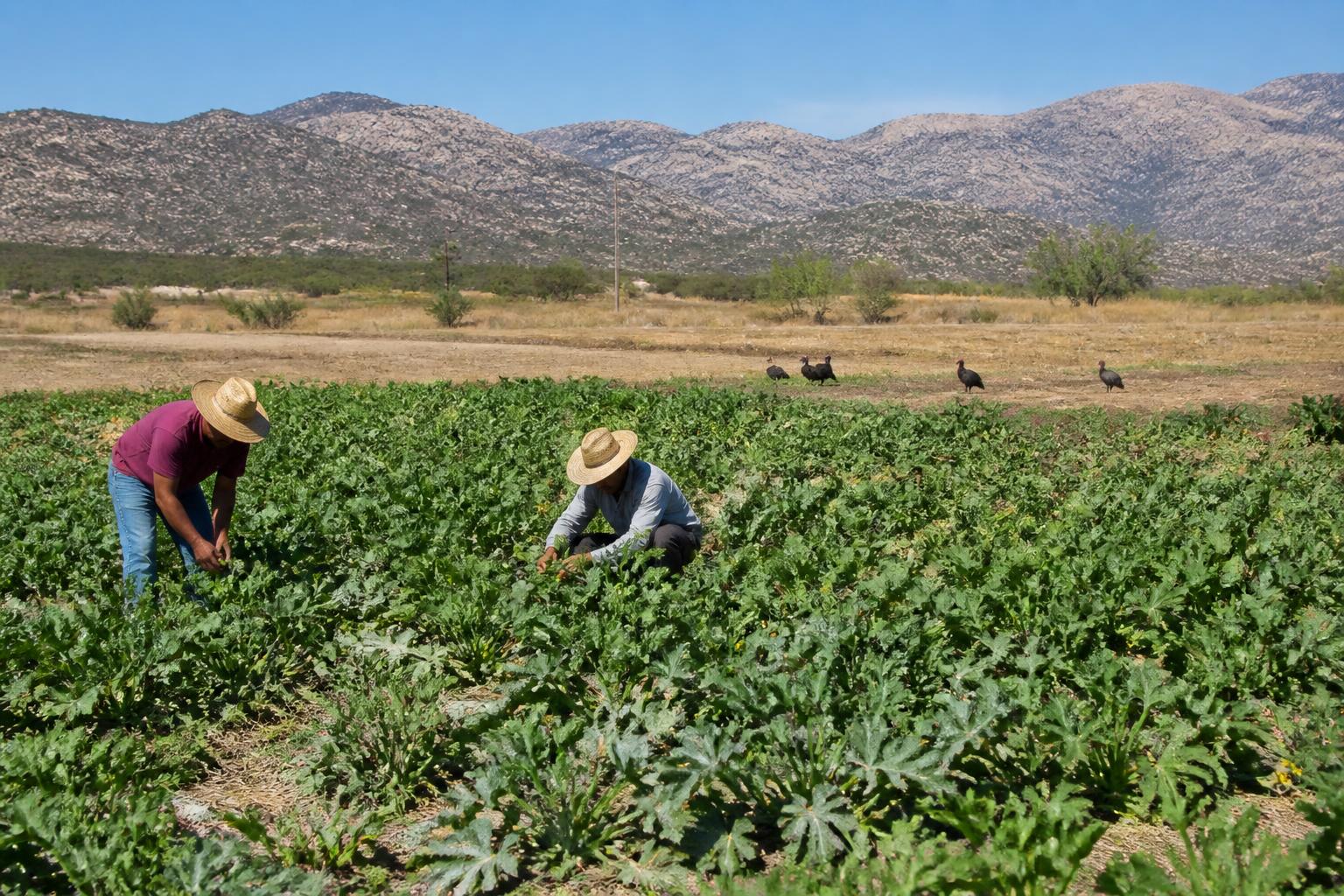
As the summer season progresses, West Virginia producers are navigating an increasingly complex landscape defined by shifting pest pressures and persistent transportation challenges. For those managing operations in the rolling terrain of the state, maintaining operational flow requires close attention to both on-farm security and regional logistics. The rise of invasive species has necessitated more rigorous monitoring practices across local fields and pastures, requiring producers to balance daily field work with proactive transport and biosecurity measures to protect long-term soil and crop health.
Contending with Emerging Pest and Wildlife Threats
Recent reports highlight increasing pressure from invasive pests throughout West Virginia, which can disrupt local yield projections if left unmanaged. Beyond traditional crop threats, livestock producers are also reporting concerns regarding the presence of black vultures in some parts of the state. These birds often pose significant challenges to animal husbandry, necessitating a vigilant approach to livestock protection and site monitoring throughout the warmer months.
Logistical Considerations for the Summer Season
The state's unique geography continues to play a central role in how grain and input supplies are moved. Maintaining a consistent supply chain in rural West Virginia frequently involves navigating winding, mountainous routes that require careful planning during the peak of the harvest cycle. Producers and carriers are often reminded to account for regional weight restrictions and the potential for summer weather volatility, which can influence transit times across key agricultural corridors.
What it means for the market
For agribusinesses and independent farmers, the current market environment emphasizes the value of proactive planning. By integrating robust pest monitoring and flexible transportation strategies into daily operations, producers can better mitigate the impact of external threats. Remaining informed on local developments and maintaining tight oversight on logistical inputs will be critical for those looking to maintain profitability through the end of the season.
Comments
No comments yet - be the first to share your take.