
As we move through the heat of August, Montana producers are balancing the immediate demands of the field with the logistical realities of the current harvest season. Across the state, agricultural leaders remain focused on the infrastructure and policy landscapes that dictate how grain moves from the combine to the market. Efficient transport networks are vital right now, as producers in key regions keep a close watch on seasonal throughput and the availability of local handling capacity.
Managing Field and Logistics Pressures
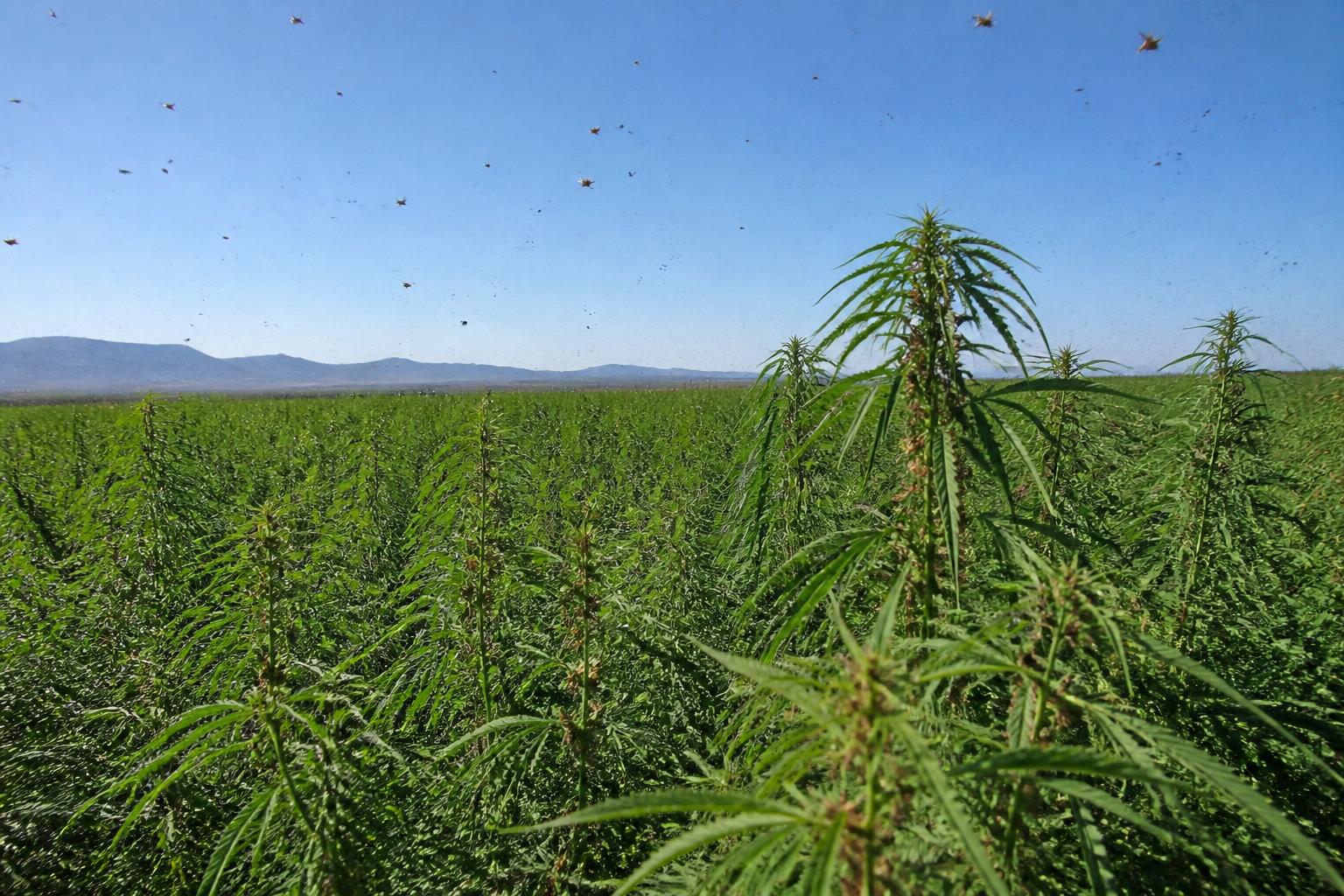
The current summer season has brought localized challenges to Montana fields, including reports of pest pressure that can complicate harvest operations and crop quality management. When harvest activity spikes, pressure on short-haul trucking and grain elevator throughput can tighten quickly. For many producers, this is a time to evaluate whether storage strategies are aligned with current regional logistics capacity. As growers navigate ongoing market volatility, the ability to hold product or move it efficiently to rail-connected terminals remains a primary consideration for optimizing farm gate returns.
Infrastructure and Market Access
Reliable freight corridors are the backbone of Montana agriculture, and interest continues to grow regarding how improved terminal access can lower handling costs. Whether moving high-protein wheat or specialty crops, Montana producers often rely on a combination of trucking and rail to reach major export hubs. Maintaining clear communication with local elevators and transport providers can often help navigate the typical bottlenecks that occur during the peak of the harvest push.
What it means for the market
For Montana agribusinesses and grain handlers, the focus for the remainder of the summer should be on flexibility and coordination. With harvest activity accelerating across the state, anticipating potential transport delays and staying informed on regional infrastructure performance can help mitigate risks. Proactive planning for storage and transport capacity will be essential to ensuring that the 2026 harvest moves smoothly through the supply chain.
Comments
No comments yet - be the first to share your take.