
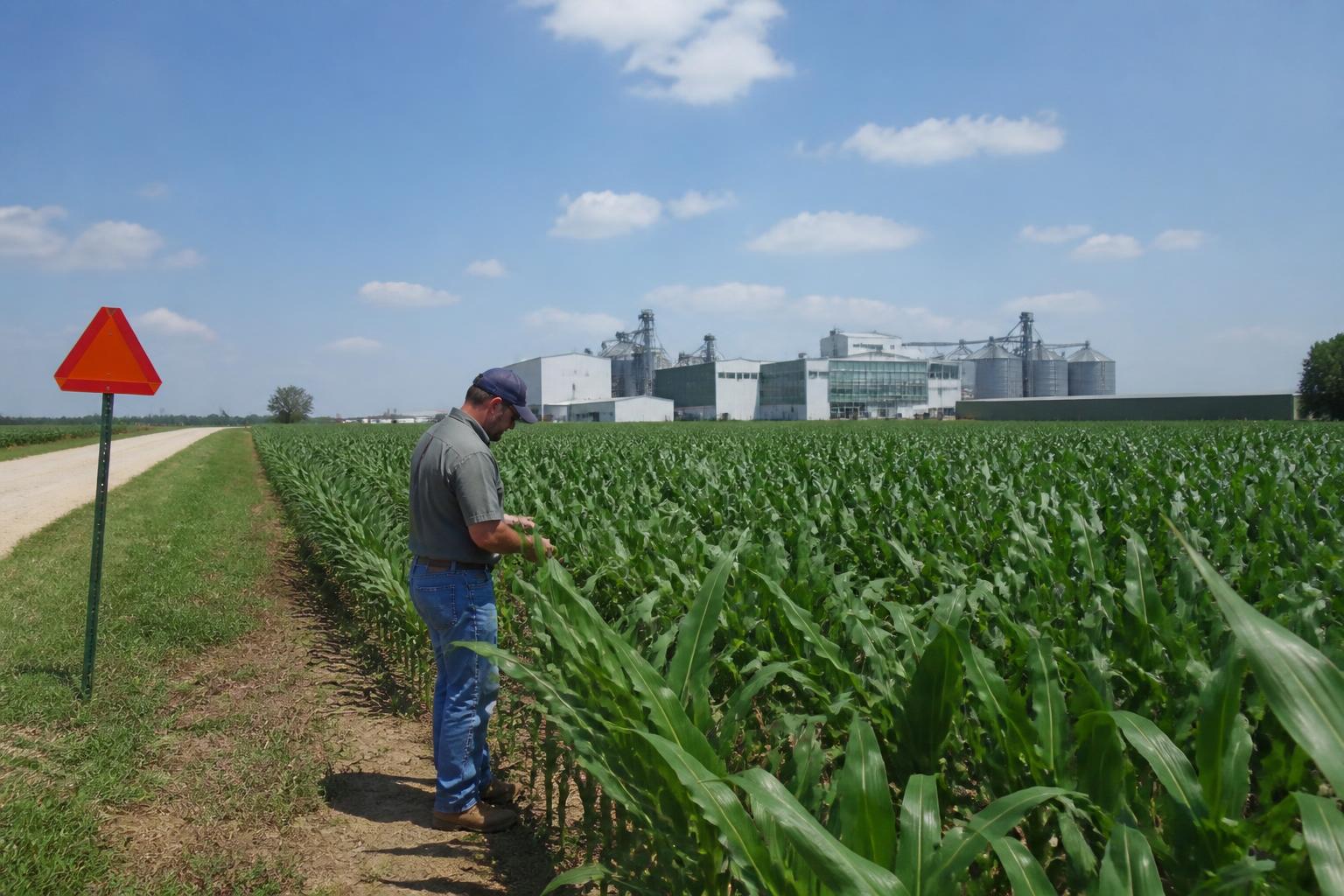
Mid-summer presents a unique set of logistical challenges for North Carolina agribusinesses. With field activity accelerating across the state, the coordination of equipment movement and transport logistics becomes critical to maintaining seasonal efficiency. Whether moving machinery between operations or transporting inputs, effective planning can help mitigate delays in a season defined by intense heat and rising operational pressure.
As producers continue to manage regional transit trends, rural road safety remains a paramount concern. The increased presence of heavy equipment on state corridors necessitates constant vigilance. Using proper signage for slow-moving vehicles is not just a regulatory expectation but a vital practice to protect both operators and the public in agricultural hubs like Pitt County and other production-heavy regions.
Infrastructure and Operational Resilience
The resilience of our local supply chain often depends on proactive maintenance and a clear understanding of regional traffic patterns. As seen in recent efforts to optimize infrastructure capacity across North Carolina, small improvements in transit planning can yield significant relief for grain handlers and producers alike. Staying informed on route restrictions and local traffic updates can help carriers bypass bottlenecks that often plague peak agricultural cycles.
Furthermore, as producers adapt to shifting market conditions and environmental variables, the importance of reliable logistics is magnified. Managing seasonal transit and supply chain resilience allows businesses to better protect their bottom line. Keeping communication lines open between grain elevators, local carriers, and agribusiness inputs ensures that the movement of materials remains consistent even when weather or market volatility threatens stability.
What it means for the market
For North Carolina farmers and logistics providers, the current market environment emphasizes the need for operational agility. By prioritizing safety on the road and remaining current with infrastructure updates, stakeholders can reduce downtime and improve the flow of goods. Effectively navigating these mid-summer logistical hurdles is key to ensuring that productivity remains steady throughout the remainder of the season.
Comments
No comments yet - be the first to share your take.