
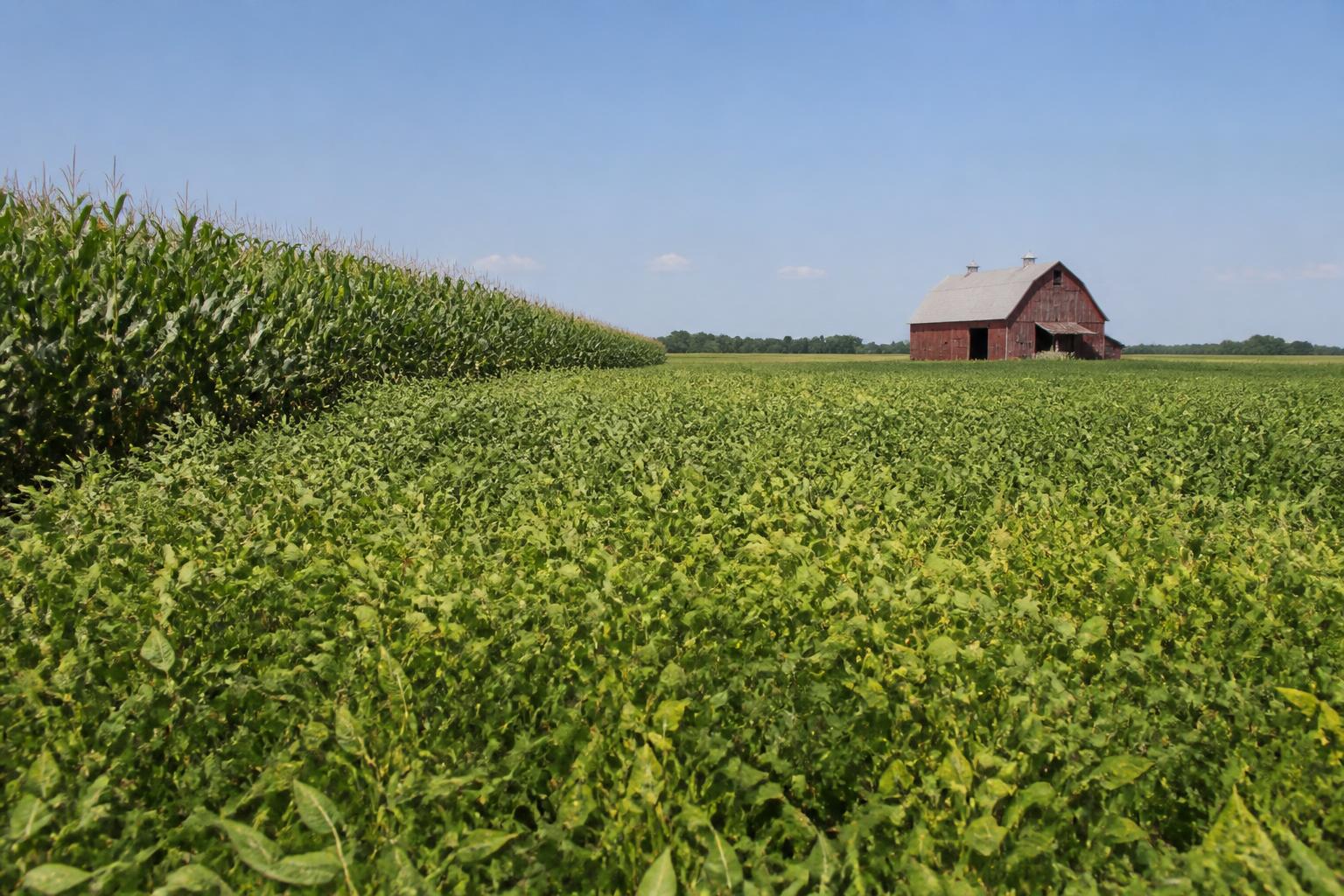
With the summer heat intensifying across the Illinois landscape, agricultural operations are entering a critical phase of the season. For grain handlers and transport providers, maintaining consistent flow is paramount as local elevators and regional terminals prepare for the upcoming harvest cycle. Efficient logistics, from the northern corn-growing counties down to the vital gateways near the St. Louis area, remain the backbone of the state's ag-logistics network.
Input Procurement in a Volatile Market
Farmers are currently facing a complex input environment. Market volatility continues to influence how growers approach their procurement strategies, often forcing a shift in how they budget for and secure essential supplies. As industry partners expand their local production and distribution capabilities, such as the new facilities in Champaign, the regional supply chain may see improved stability over time. However, for now, remaining agile is the best defense against unexpected market fluctuations.
Ensuring Safety and Efficiency
Beyond the market, operational safety is drawing renewed attention. Recent reports indicate an increase in farm-related structural incidents, serving as a stark reminder for agribusinesses and farmers alike to audit their storage facilities and equipment zones. During these hot summer months, equipment maintenance and fire prevention are essential components of a sound risk management strategy.
Operational Best Practices
As we look toward the fall, managing field conditions remains a top priority. In areas prone to heavy rain or poor drainage, ongoing efforts to mitigate soil saturation are essential for long-term land productivity. Whether you are coordinating with carriers for grain movement or assessing your crop insurance options, such as understanding the nuances of margin protection, taking proactive steps today can help insulate your operation from future surprises.
What it means for the market
The convergence of tightened supply chains, fluctuating input costs, and a heightened focus on risk management suggests that Illinois producers must prioritize financial and operational flexibility. As demonstrated by recent investments in regional infrastructure, the state's agribusiness sector is working to strengthen the logistical foundations that support Illinois farmers in an increasingly globalized market.
Comments
No comments yet - be the first to share your take.