
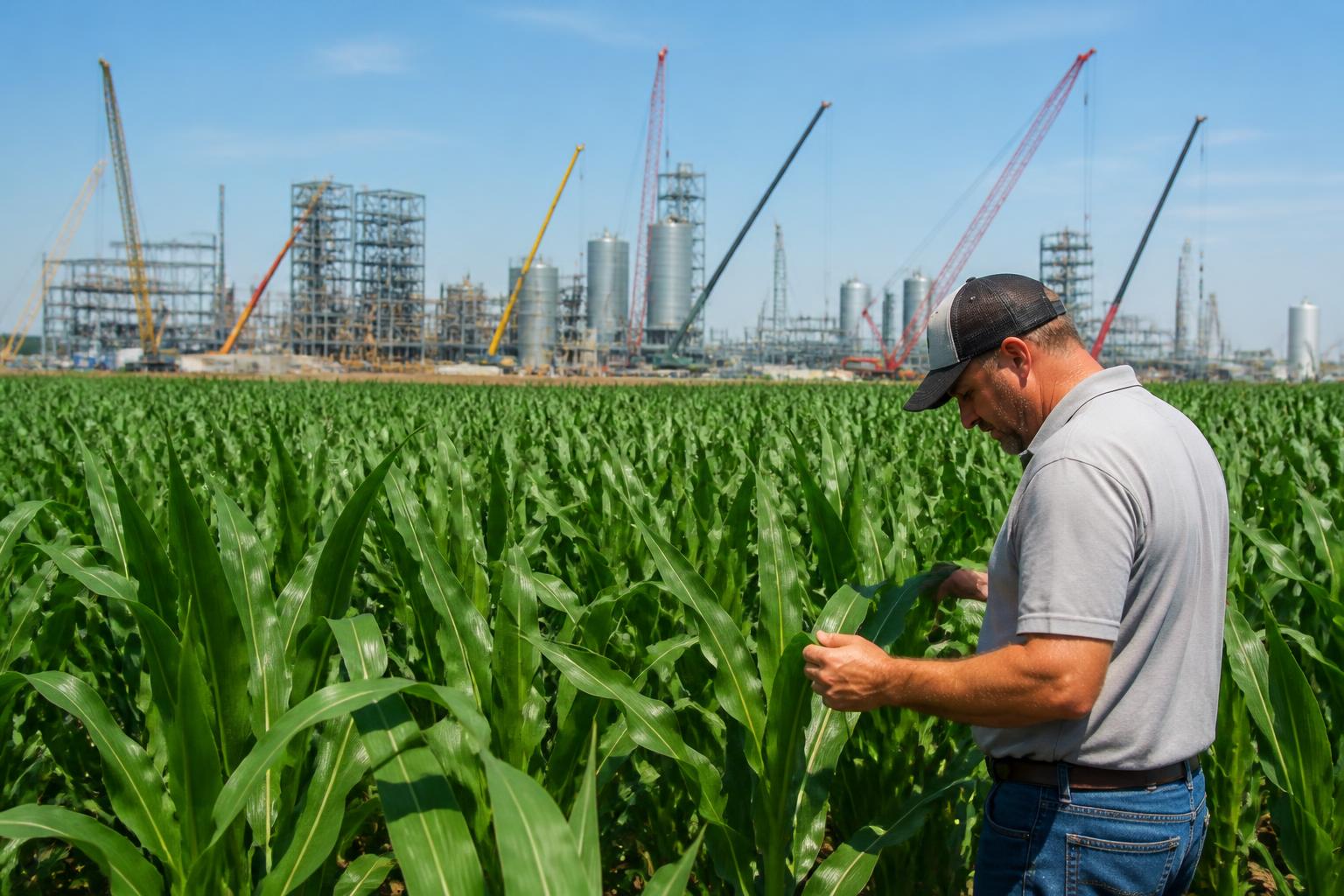
Mid-summer in Illinois brings a unique set of logistical challenges for the state's agricultural backbone. As we navigate through July, the focus remains on maintaining efficiency across grain handling and input supply chains. While recent market discussions have centered on farm-level economic shifts, the daily reality for carriers and elevator operators often hinges on the smooth movement of commodities through our primary highway corridors and regional transit hubs.
Infrastructure and Market Stability
The resilience of the Illinois supply chain is frequently tested by seasonal demands. Whether it is moving last-season remnants or preparing for the upcoming harvest, the pressure on regional logistics continues to grow. As producers look to optimize their operations, many are navigating regulatory and inflationary pressures in Illinois agriculture that impact everything from equipment maintenance to fuel costs.
Looking Ahead at Supply Chains
Developments in local production capacity, such as progress on new ammonia fertilizer plants, are closely monitored by industry stakeholders. Strengthening domestic production can often alleviate some of the transit strain associated with importing essential inputs. Furthermore, the push to expand the reach of Illinois-grown products, particularly ethanol, underscores the importance of maintaining robust, reliable transport routes from our rural elevators to international export gateways.
As self-driving technology and other logistical innovations gain traction, the long-term economic map of the Midwest may see significant adjustments. For now, the priority for Illinois agribusiness remains rooted in tactical efficiency—managing weight restrictions, monitoring seasonal road conditions, and ensuring that grain bin capacity remains ready to support the next yield cycle.
What it means for the market
For Illinois farmers and shippers, the current environment suggests a cautious approach. While the broader market may show signs of cooling, the operational cost of moving goods remains a critical factor in net profitability. Staying informed on regional infrastructure trends and maintaining flexible logistical partnerships will be essential as the industry transitions into the final stages of the growing season.
Comments
No comments yet - be the first to share your take.