
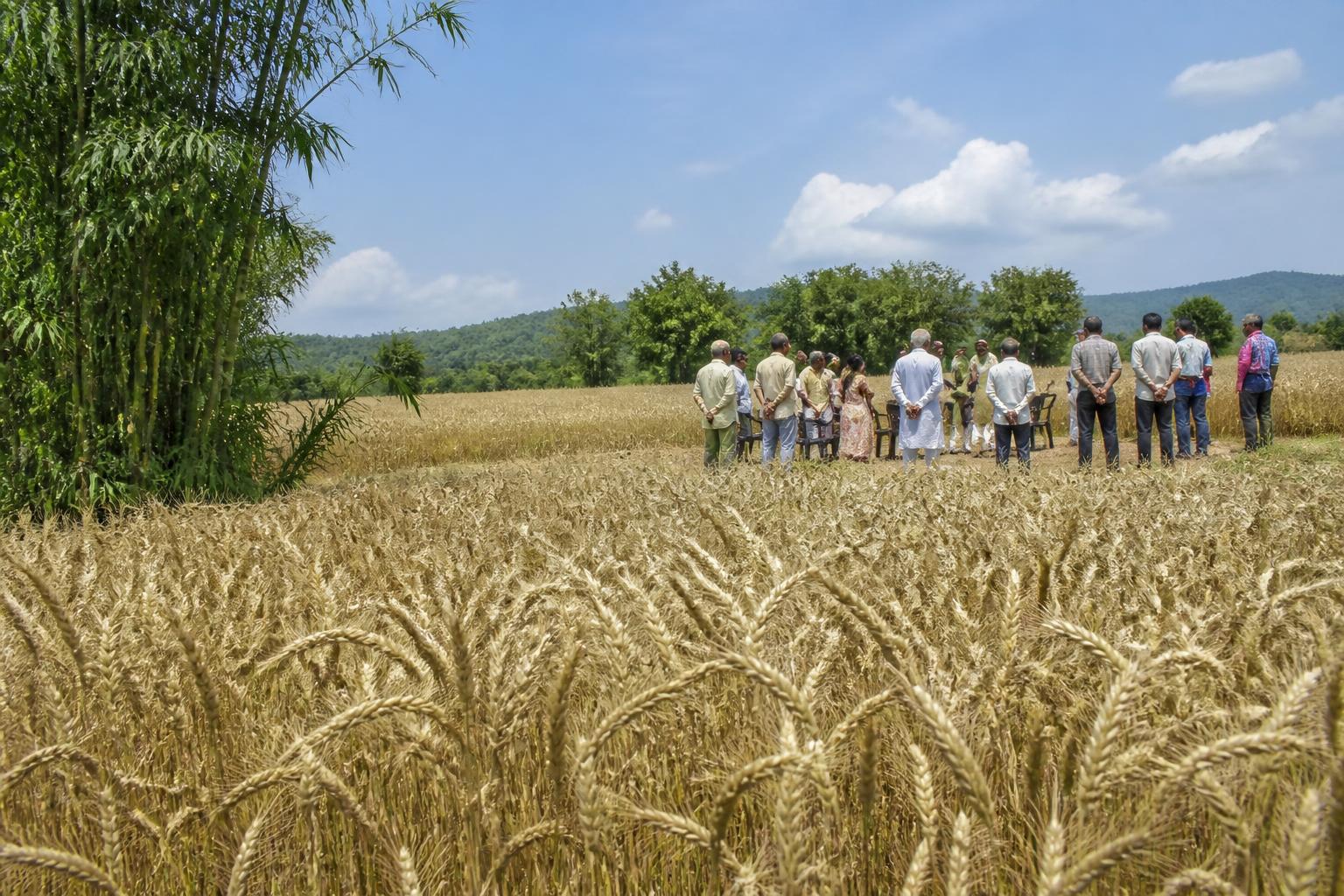
Current Landscape for Alabama Grain Producers
As we move through the heat of August, Alabama farmers are balancing the final stages of the summer crop cycle with long-term strategic planning. Producers across the state, from the northern valley regions to the southern coastal plains, are increasingly focused on navigating volatile market conditions that impact both local storage and future pricing potential. For those looking to refine their strategies, staying informed on local grain buyer activity is essential during this stage of the season.
Community Engagement and Industry Shifts
Recent town hall meetings have underscored the importance of localized dialogue between producers and policymakers to address infrastructure and economic hurdles. As the state agriculture sector continues to evolve, maintaining a resilient supply chain remains a top priority. Whether discussing new contracts with regional mills or managing the unique logistical demands of the Alabama harvest, producers are finding that local collaboration is key to weathering regional pressures. Producers may also find value in reviewing recent guidance on maintaining market resilience despite unpredictable environmental and economic variables.
Logistics and Resource Management
With high temperatures persisting, Alabama agribusinesses are reminded to keep a close watch on equipment maintenance and storage health. Effective management of on-farm inventory can prevent quality degradation during this time of year. Furthermore, the ongoing discussion around environmental mitigation and flood control through alternative vegetation highlights a proactive approach to protecting rural land assets. As logistics networks stay busy with mid-season transport, tracking potential bottlenecks remains a common practice for operators moving grain toward key hubs. For more on regional logistics, insights regarding peak summer transport strategies can provide useful guidance.
What it means for the market
For Alabama grain handlers and producers, the current market environment demands a dual focus: immediate operational vigilance to protect crop quality and a strategic look at upcoming contract opportunities. By leveraging local network data and staying updated on regional industry shifts, agribusinesses can better manage the volatility that remains a fixture of the broader agricultural landscape.
Comments
No comments yet - be the first to share your take.