
In Alabama, the summer months bring a unique set of logistical demands for producers and agribusinesses. Whether moving inputs across the state or positioning equipment for late-season field work, the efficiency of your transport network is critical. High temperatures and seasonal traffic patterns on major corridors can create bottlenecks, making it essential for operators to plan routes that avoid common congestion points and ensure that critical equipment remains in the field rather than stuck in transit.
For those managing grain or chemical logistics, keeping a close eye on regional infrastructure is vital. Effective coordination with local elevators and transport partners often mitigates the risks of downtime. Ensuring that your operations remain aligned with current market volatility is a practical step to sustaining profitability throughout the summer.
Prioritizing Biosecurity and Field Integrity
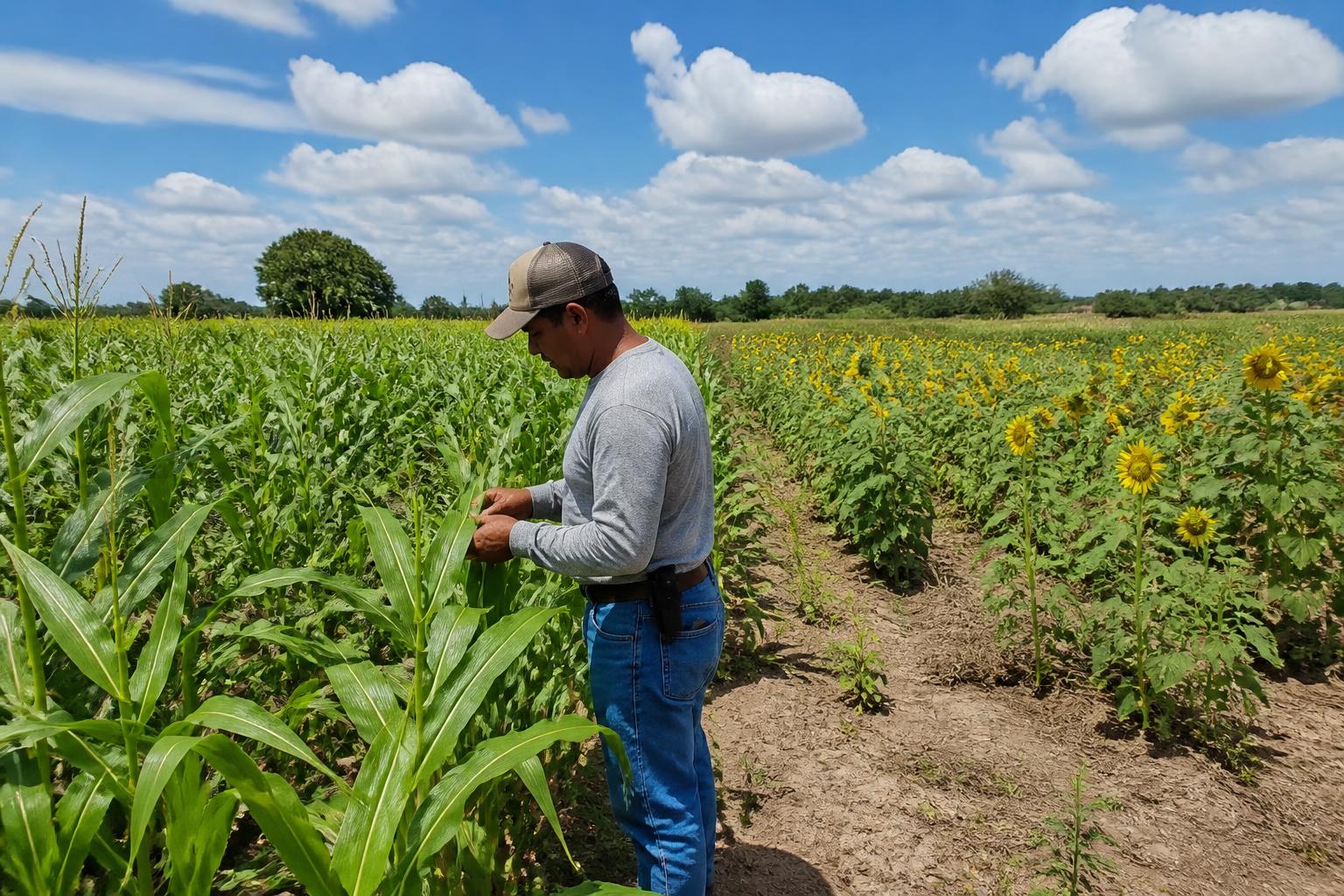
Beyond logistics, maintaining field health is a primary concern for Alabama farmers this summer. Invasive pests can spread rapidly during the heat of the season, and proactive monitoring of your fields is the best defense. Even minor infestations, if left unchecked, may impact yield quality and necessitate costly emergency management measures. Staying informed about risk mitigation strategies helps protect your investment and ensures that harvesting efforts are focused on high-quality outputs rather than reactive damage control.
Logistics as a Competitive Advantage
Agribusinesses that invest in robust scheduling and clear communication with their logistics providers often find it easier to adapt to the unpredictable nature of agricultural transport. Utilizing local knowledge of secondary roads and state highway weight limits can prevent unnecessary delays. By treating transport as an extension of the production process, farmers can reduce unnecessary overhead and improve overall operational flow.
What it means for the market
For the Alabama market, the path to success in the coming weeks lies in a balanced approach: rigorous attention to biosecurity and a disciplined, proactive approach to transport logistics. As harvest planning begins, those who secure their transport partnerships early and maintain vigilant field surveillance will likely find themselves in a stronger position to capitalize on seasonal market shifts.
Comments
No comments yet - be the first to share your take.