
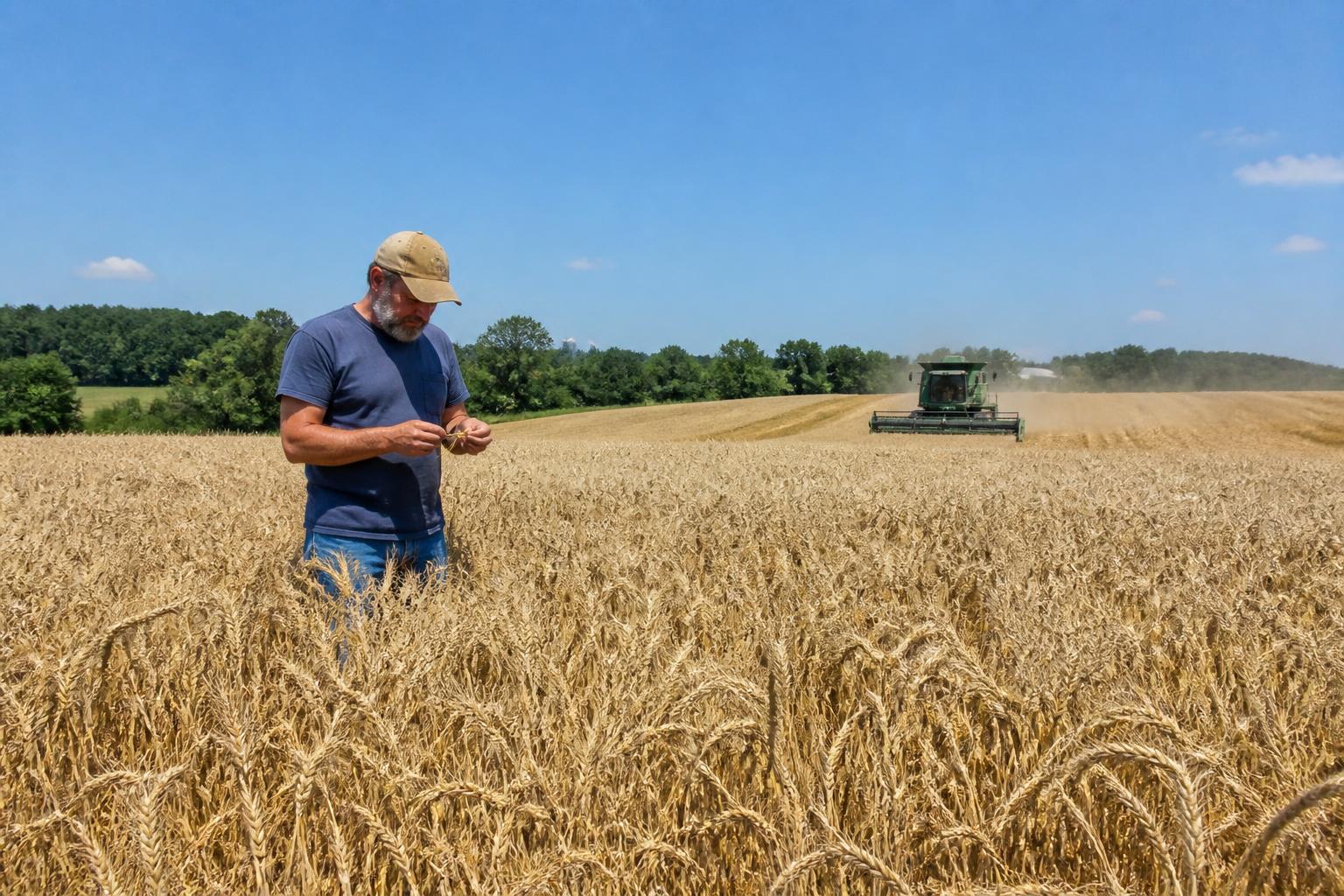
Mid-summer in Maryland brings a distinct set of operational challenges that extend well beyond the typical demands of field work. As crops push toward late-season maturity, agricultural producers across the state are increasingly finding that successful harvest outcomes require a sharp focus on both regulatory compliance and the mitigation of emerging biological threats.
Navigating Evolving Nutrient Regulations
For many livestock operators and crop farmers, the management of manure remains a critical, yet complex, aspect of regional fertilizer strategy and nutrient management. Recent discussions among industry stakeholders highlight the growing pressure on producers to align with tighter environmental guidelines. These rules, intended to protect local waterways, require meticulous planning, often forcing operators to rethink traditional application cycles during peak summer months.
Invasive Species Demand Vigilance
Field health is currently being challenged by the encroachment of invasive pests that threaten both ornamental and commercial crops. The confirmation of the box tree moth in Washington County serves as a timely reminder of the importance of active monitoring. Simultaneously, reports of the first spotted lanternfly nymphs across the region emphasize that pest control is not just a localized issue but a statewide concern. Effectively managing these populations often requires integrated approaches that can sometimes involve sacrifices in specific plot sections to preserve the integrity of the broader operation.
Strategic Planning for a Complex Season
Beyond the field, farmers are watching federal and state policy shifts regarding potential clean fuel standards, which could influence the future market for biofuels. Staying informed about these logistics and input strategies is essential for those looking to buffer their operations against external market volatility. Furthermore, as producers reflect on past weather-related challenges like the significant spring freeze, diversifying risk through both crop selection and resilient management practices remains a top priority.
Key Takeaways for Producers
- Prioritize scouting for invasive pests like the spotted lanternfly to prevent widespread infestation.
- Consult with regional nutrient management specialists to ensure manure application remains compliant with current, stricter environmental mandates.
- Review long-term input strategies, especially as the state continues to evaluate new clean fuel standard initiatives.
What it means for the market: For Maryland agribusinesses, the intersection of tightening environmental oversight and rising pest pressure points toward a period of higher operational costs. Producers who prioritize proactive compliance and robust integrated pest management may find themselves better positioned to maintain consistent yields despite the current logistical and biological headwinds.
Comments
No comments yet - be the first to share your take.