
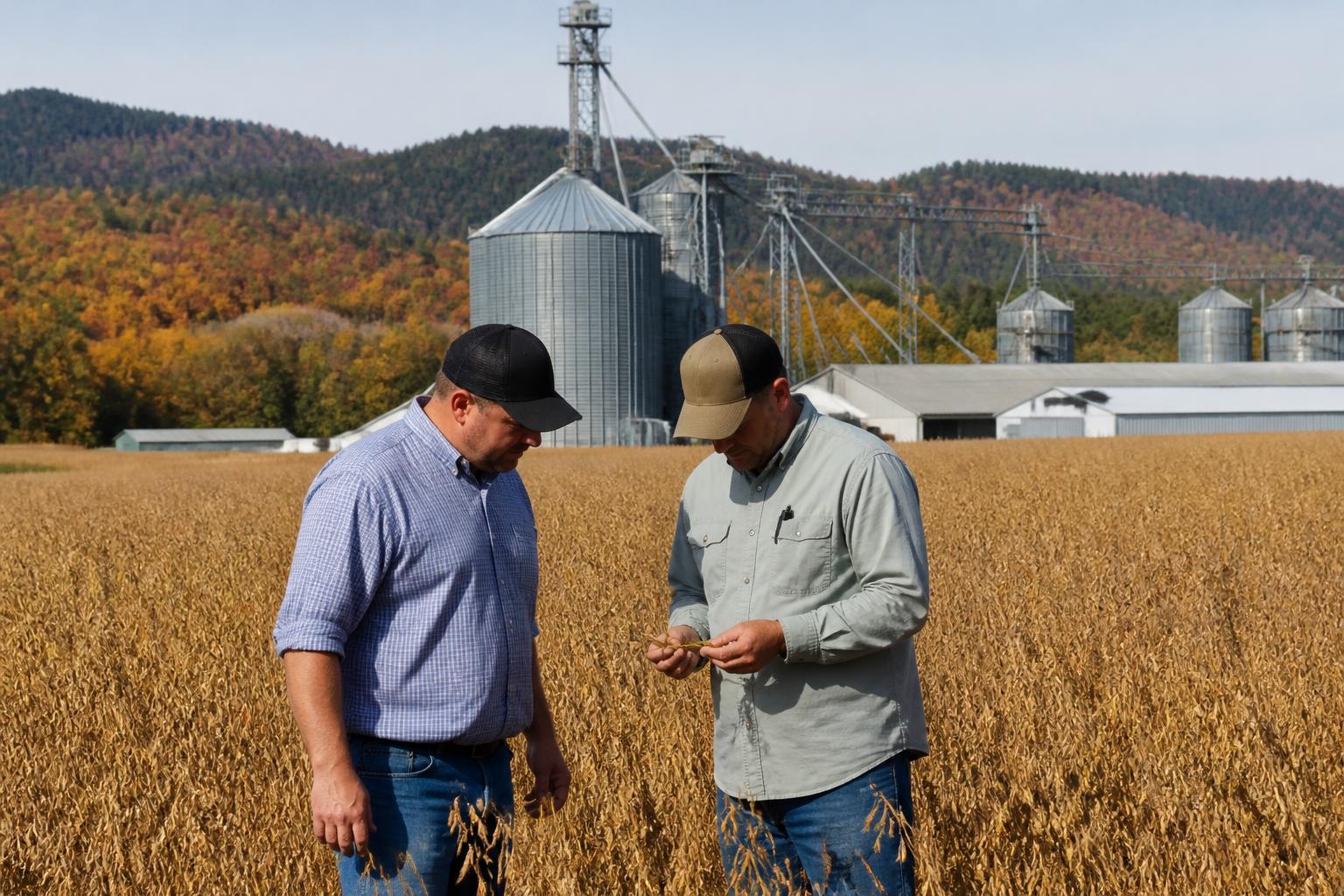
For agricultural producers in Nevada, the fall season represents a critical window for resetting soil health and finalizing crop protection strategies. With the harvest cycle largely behind many operations, the current period serves as an ideal time to assess the performance of chemical and organic inputs used throughout the growing season. As market interest in sustainable solutions grows, producers are increasingly evaluating the potential for specialized fertilizers and advanced growth-enhancing products to bolster next year's yields.
Evaluating Soil and Input Strategies
Nevada operations are often subject to unique water and resource constraints, making the efficiency of every input paramount. The rise of organic phosphate and alternative fertilizer solutions reflects a broader trend toward long-term soil viability in the region. Whether focusing on standard chemical applications or exploring organic alternatives, modern crop protection methods require a balance between immediate pest mitigation and the maintenance of soil integrity. As producers review their records from the year, analyzing the return on investment for specific soil amendments is becoming a standard practice for many local agribusinesses.
Logistics and Market Preparation
Managing the supply chain for these inputs remains a vital component of annual planning. As manufacturers continue to advance the precision of application machinery and chemical formulations, producers should look for opportunities to streamline their procurement processes during the slower fall months. Ensuring that storage facilities are prepared for incoming supplies and that equipment is maintained for future field work can mitigate the risks associated with volatile supply chains and rising operational costs in the coming year.
What it means for the market
The movement toward more specialized crop protection technologies and sustainable fertilization indicates a shift toward higher-efficiency farming in Nevada. For producers, this means that staying informed about new input developments and integrating data-driven decisions into their fall planning will likely be essential for maintaining competitive growth and managing overhead expenses in the upcoming seasons.
Comments
No comments yet - be the first to share your take.